Overview
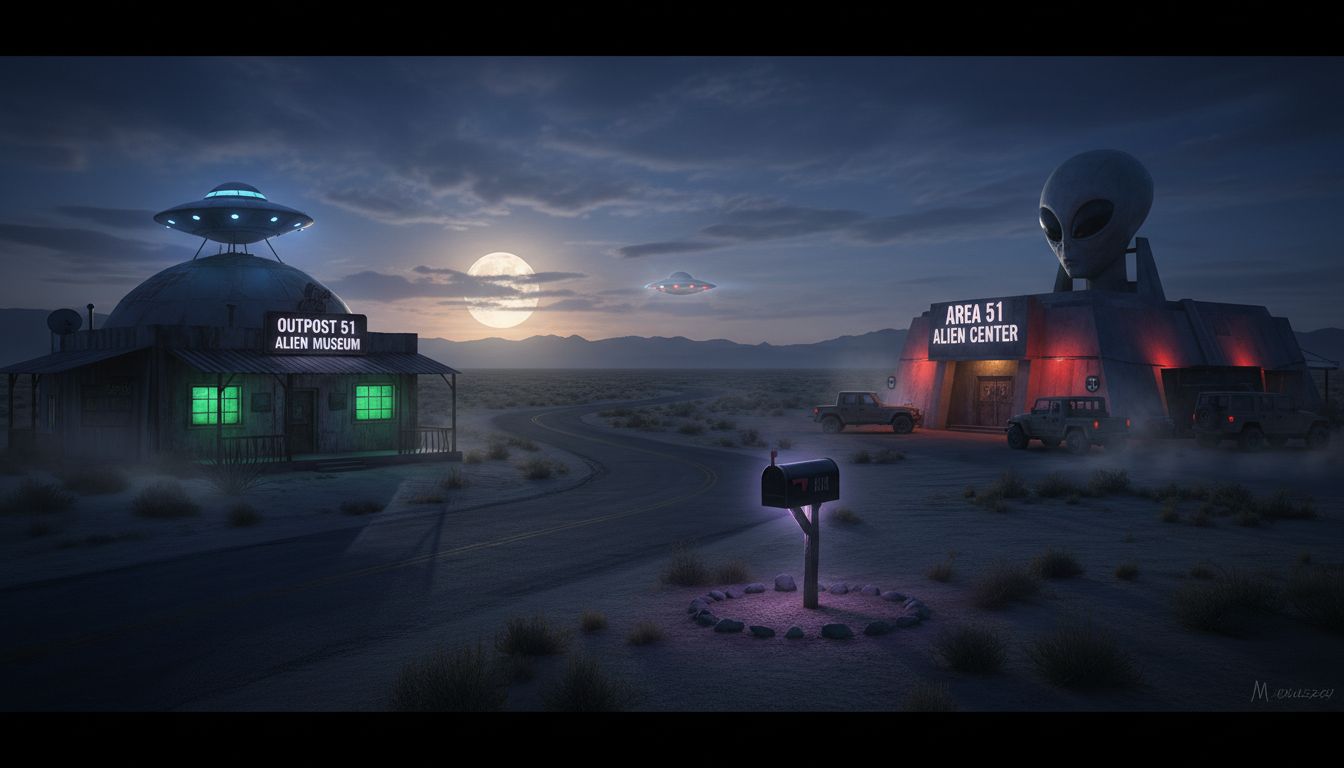
Travel Nevada has launched the Area 51(ish) Adventure, a free digital passport designed to steer tourists toward the state’s most iconic UFO‑themed attractions. The mobile‑first experience links three main stops—Outpost 51 Alien Museum, the Area 51 Alien Center, and the Black Mailbox in the small town of Rachel—while rewarding participants with points that can be exchanged for limited‑edition memorabilia. Announced on April 2, 2026, the initiative aims to capitalize on the enduring fascination with extraterrestrials and to diversify the desert’s tourism portfolio beyond traditional gaming and outdoor recreation.
How the digital passport works
Visitors download the Area 51(ish) Adventure app or access the web‑based passport through Travel Nevada’s website. After registering, users receive a virtual passport that records each completed checkpoint. At the Outpost 51 Alien Museum, travelers scan a QR code beside the flagship “Roswell‑Era” exhibit; the app logs the visit, awards 50 points, and unlocks a digital badge. The next stop, the privately‑run Area 51 Alien Center, offers interactive “UFO‑sightings” simulations, granting an additional 75 points. The final destination, the infamous Black Mailbox on the highway to the secretive military base, yields 100 points and a chance to win a limited‑edition “Black Mailbox” enamel pin. Accumulated points can be redeemed for items such as branded t‑shirts, collectible postcards, and a “UFO‑tracker” keychain, all produced by local artisans.
Tourist response and community reactions
Early adopters have praised the program’s blend of gamification and cultural storytelling. “It’s a fun way to explore a part of Nevada that’s usually just a backdrop for conspiracy theories,” said Maria Lopez, a travel blogger who completed the passport on a weekend road trip. Local business owners are equally optimistic. Dave Henderson, proprietor of the Area 51 Alien Center, noted a “noticeable uptick in foot traffic” since the passport’s rollout, adding that the points system “encourages repeat visits and longer stays, which benefits nearby eateries and campgrounds.” The Black Mailbox, long a photo‑op for UFO enthusiasts, now sees a steady stream of families and solo travelers drawn by the promise of a tangible reward.
Economic and promotional impact
Travel Nevada’s marketing department frames the passport as a low‑cost, high‑engagement tool to extend visitor dwell time in the sparsely populated desert corridor. By converting curiosity into measurable activity, the state can better track tourism patterns and allocate resources to infrastructure improvements, such as upgraded signage and restroom facilities at the three sites. According to a pre‑launch feasibility study, the program is projected to generate an additional $3.2 million in regional revenue over the next two years, primarily through merchandise sales and ancillary spending at partner establishments. The initiative also aligns with Nevada’s broader “Beyond the Strip” campaign, which seeks to showcase the state’s natural wonders, historic towns, and niche attractions.
Future outlook
Travel Nevada plans to expand the passport’s itinerary later in 2026, potentially adding stops like the Extraterrestrial Highway Museum near Alamo and a “Stargazer’s Picnic” at the Nevada Test Site’s perimeter. The agency is also exploring partnerships with ride‑share platforms to offer bundled travel packages that include guided tours and transportation to the remote sites. While the program deliberately avoids sensationalist language, officials emphasize that the experience is rooted in cultural heritage and community storytelling, not unverified claims of alien contact. As the Area 51(ish) Adventure gains traction, it may serve as a model for other states looking to leverage quirky local lore into sustainable tourism growth.


