Overview
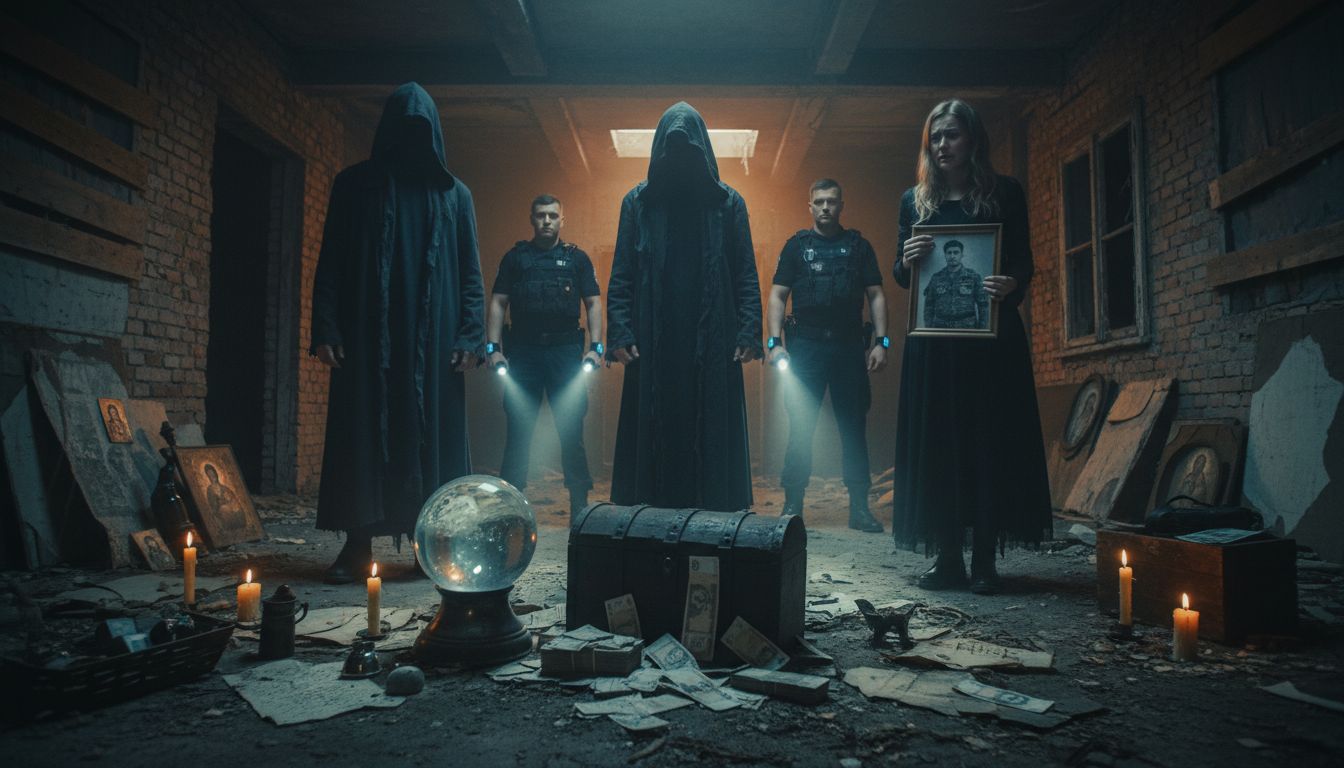
A three‑person fraud ring operating under the guise of “clairvoyants” has been dismantled by Ukrainian authorities, according to a report by Coast to Coast AM. The self‑styled psychics targeted families of missing soldiers and civilians displaced by the ongoing war, promising to locate loved ones in exchange for large sums of money. Prosecutors say the group extracted thousands of hryvnia from grieving relatives and now face criminal charges that could result in imprisonment for fraud and extortion.
How the Scam Unfolded
The scheme began in early 2023, when the three individuals—identified in court documents only by initials to protect ongoing investigations—started advertising “spiritual consultations” on social media platforms and local messaging apps. Their posts claimed a supernatural ability to contact the spirits of missing war victims and to reveal their whereabouts. Victims were asked to pay upfront fees ranging from ₴2,000 to ₴15,000 (approximately $70‑$525) for each session, with promises that the money would be “returned” once the missing person was found.
Law enforcement officials say the trio never intended to deliver any results. Instead, they used the funds to purchase luxury items and to fund a small network of accomplices who helped recruit new clients. “The perpetrators exploited the profound trauma of families who have been left in limbo for months, if not years,” said a spokesperson for the Ukrainian National Police’s Economic Crimes Department. “Their actions constitute a clear breach of trust and a direct violation of anti‑fraud statutes.”
Legal Proceedings
Following a series of complaints filed by affected families, the police launched an investigation in the summer of 2023. Undercover agents posed as desperate relatives and recorded the scammers’ promises and payment demands. The evidence gathered led to arrests in Kyiv and the western city of Lviv in November 2023. The suspects are now charged with fraud, illegal business activities, and the unlawful procurement of funds. If convicted, Ukrainian law stipulates sentences ranging from two to five years of imprisonment, along with the possibility of restitution to victims.
In a related development abroad, a TikTok personality who marketed herself as a “psychic” was ordered by a U.S. jury to pay $10 million in damages after being found liable for defaming a University of Idaho professor. The jury concluded that the influencer’s false claims—asserting the professor was involved in a covert government mind‑control program—were made without factual basis and caused severe reputational harm.
Impact on Victims and Broader Context
For families of missing war victims, the loss extends beyond the emotional toll of uncertainty. “We were desperate for any clue, and they took advantage of our hope,” said one unnamed mother who paid ₴8,000 for a “spiritual reading.” She declined to reveal her name for safety reasons. The Ukrainian government has reported a rise in similar scams since the war began, noting that economic hardship and the chaos of displacement create fertile ground for fraudsters. Authorities are urging citizens to verify the credentials of anyone offering “psychic services” and to report suspicious requests for money.
The parallel U.S. case underscores a growing global trend: the use of digital platforms to market unverified paranormal claims for profit. Legal experts point out that while freedom of expression protects many forms of belief, it does not shield individuals from civil liability when false statements cause demonstrable harm. “Both cases illustrate how the law can intervene when charismatic deception crosses the line into fraud or defamation,” said Dr. Elena Markova, a professor of international law at Kyiv National University.
Outlook
Ukrainian prosecutors are expected to move forward with the trial later this year, and the court will determine whether the accused must repay the stolen funds. Meanwhile, consumer‑protection agencies in both Ukraine and the United States are ramping up public awareness campaigns to educate citizens about the risks of unverified “psychic” services, especially in times of crisis. The twin stories serve as a reminder that vigilance and legal accountability remain essential tools in combating exploitation that preys on vulnerability.


