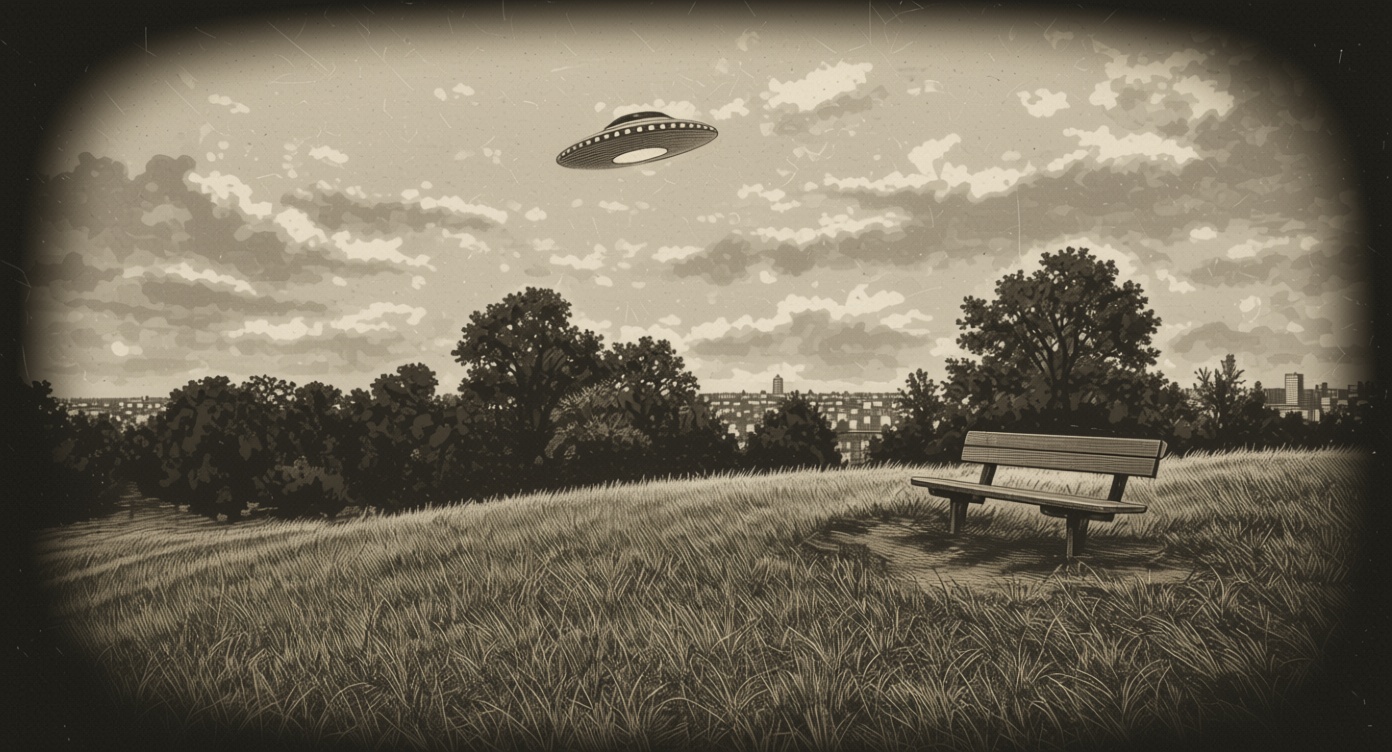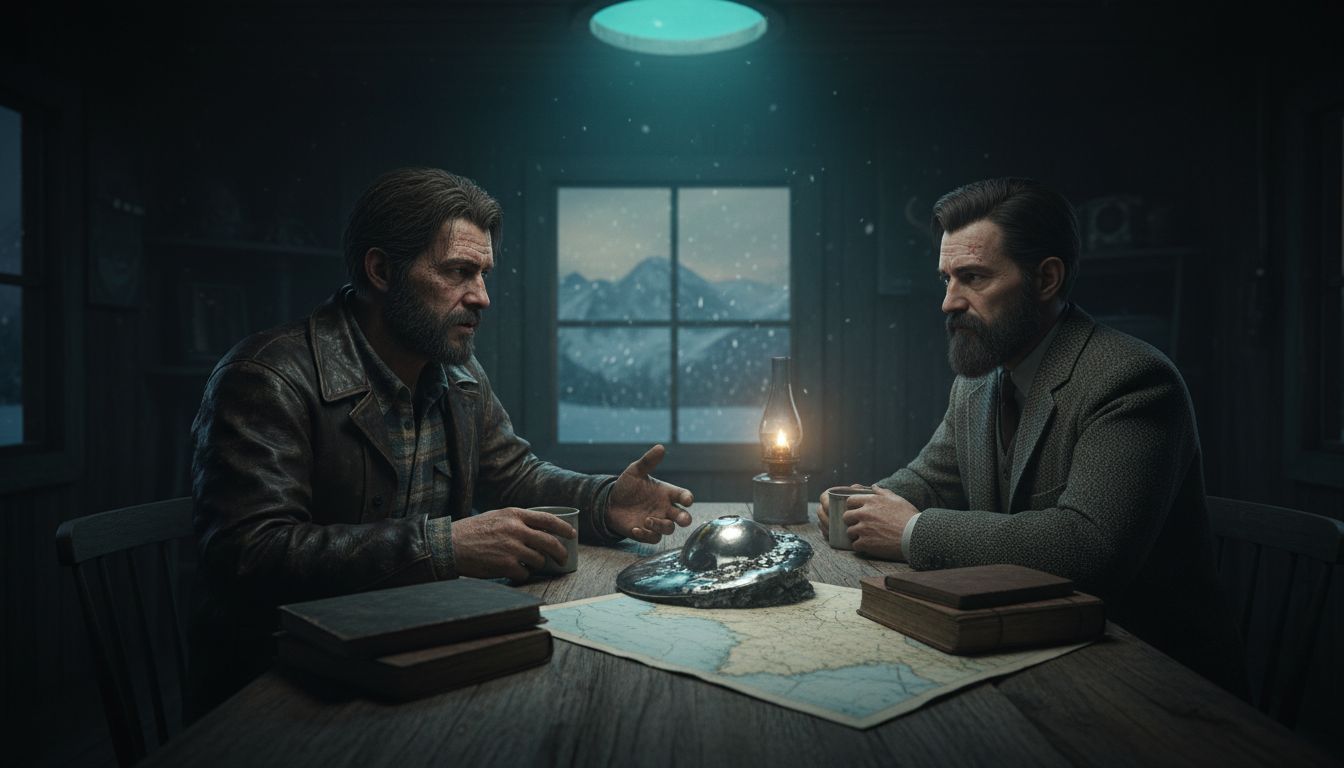
Michael Walsh, a former United States Marine who served in Vietnam, says he experienced a “missing‑time” encounter with an unidentified flying object while on a hunting trip in the remote boreal forest of northern Saskatchewan in the summer of 1971. According to Walsh, he and a fellow Marine were walking along a logging road when a low‑humming, disc‑shaped craft hovered silently above the trees. “One moment we were hearing the wind, the next we were standing in a clearing with no sense of how long we’d been there,” he told host Michael Ryan on the UFO Talker podcast. The pair reported a brief period of disorientation, followed by a vague recollection of a bright, pulsing light before the craft vanished. Walsh’s account mirrors classic “missing‑time” narratives that first entered the public consciousness with the 1961 Betty and Barney Hill abduction case and have resurfaced in later reports such as the 1975 Travis Walton incident.
Walsh’s story is notable for its timing. The early 1970s saw a surge in UFO reports across North America, coinciding with the end of the Vietnam War and a broader cultural shift toward questioning authority and exploring fringe phenomena. Researchers have catalogued dozens of similar sightings in Canada’s northern provinces, including the 1967 Falcon Lake incident, where a Canadian soldier claimed physical injury after an alleged close encounter. While Walsh did not report any physical marks, he said the experience left a lasting psychological imprint, prompting him to keep the event private for decades before sharing it on the podcast. “I didn’t talk about it much because it felt…unreal,” he said, adding that the memory only resurfaced when he began following UFO research online.
The episode also placed Walsh’s experience within a larger tapestry of UFO‑related tourism and community events that keep the subject in public view. In Nevada, the stretch of State Route 375—dubbed the “Extraterrestrial Highway”—draws thousands of enthusiasts each summer, offering guided tours of alleged landing sites, military test ranges, and the infamous Area 51 perimeter. Organizers of the tour emphasize historical context, noting that sightings along the highway surged after the 1997 Phoenix Lights and the 2004 USS Nimitz carrier‑deck encounter. Likewise, the Shag Harbour UFO Festival in Nova Scotia, held annually since 2012, commemorates the 1967 maritime sighting that remains one of Canada’s most well‑documented unexplained events. Festival founder and local historian Claire McIntyre explained that the gathering “provides a space for witnesses, researchers, and skeptics to exchange data without sensationalism,” a sentiment echoed by Walsh, who attended the 2023 Shag Harbour event and said the community’s measured approach helped him contextualize his own experience.
Experts who study anomalous aerial phenomena (AAP) caution against drawing definitive conclusions from single testimonies, but they acknowledge the value of detailed eyewitness accounts for pattern analysis. Dr. Janine DeLuca, a senior researcher at the Center for UFO Studies, noted that “missing‑time reports often share consistent elements—loss of temporal perception, bright lights, and a sense of being observed—that merit systematic investigation, even if the underlying cause remains unknown.” She added that military personnel, such as Walsh, may be more reluctant to disclose encounters due to career concerns, which can result in delayed reporting and fragmented data.
As the UFO Talker episode illustrates, personal narratives like Walsh’s continue to intersect with broader cultural currents, from historic abduction cases to contemporary pilgrimage sites like the Extraterrestrial Highway and community gatherings such as the Shag Harbour festival. While the scientific community remains divided over the interpretation of such sightings, the growing repository of firsthand accounts provides a fertile ground for future research—whether that research ultimately attributes the phenomena to conventional explanations or points toward something still beyond current understanding.