Overview
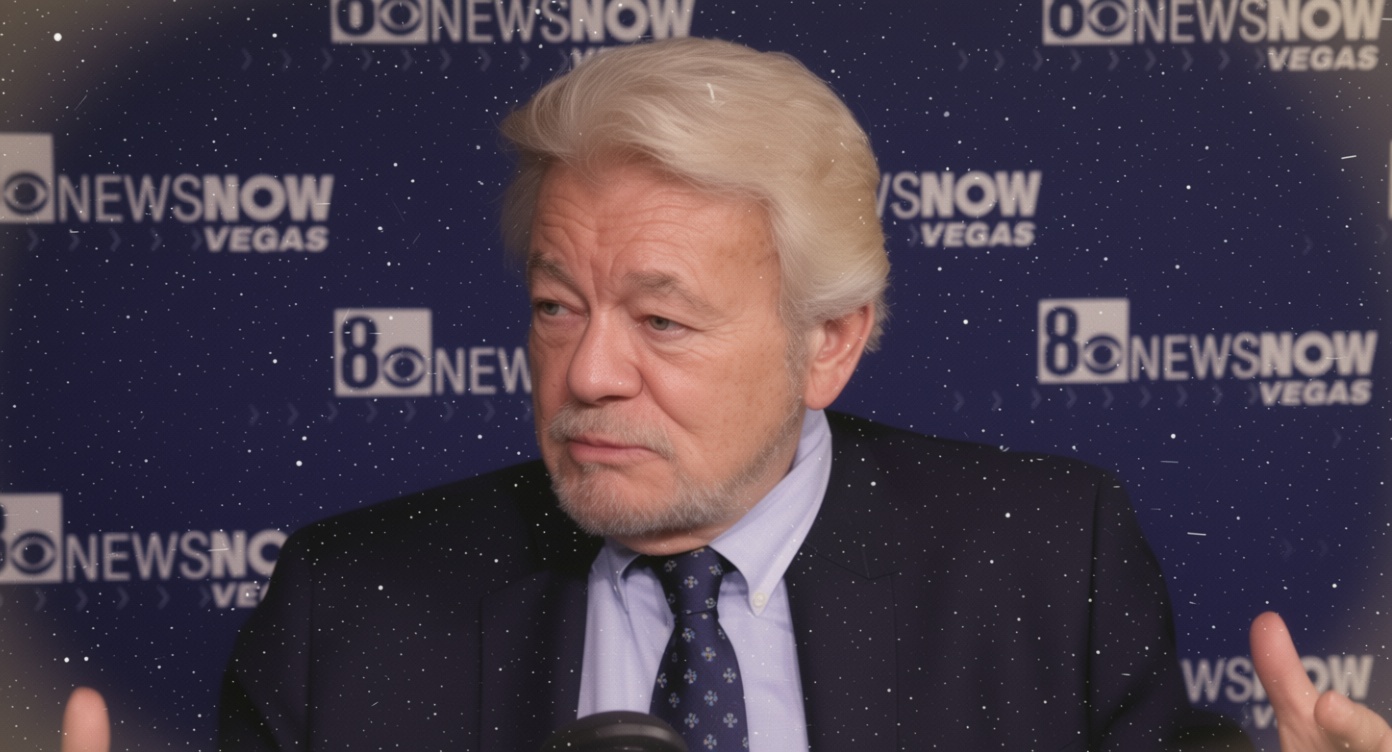
A NewsNation report says that watching UAP footage helped soften a lawmaker’s skepticism about the subject, underscoring how visual evidence can influence the debate over unidentified aerial phenomena. According to the report, the footage appeared to make the issue seem more credible to the lawmaker, reflecting a broader shift in how some elected officials are approaching claims about unexplained activity in the skies.
The development comes as interest in UAPs has moved further into the mainstream of public policy and national security discussions. What once might have been dismissed as fringe speculation is now increasingly being treated as a matter worthy of official review, especially amid congressional hearings, military testimony, and renewed scrutiny of what the government knows about unexplained encounters. In that context, even a skeptical lawmaker being persuaded by footage is notable, because it suggests that direct visual evidence can carry more weight than long-running debate alone.
Why the Footage Matters
The report indicates that the visuals played an important role in changing the lawmaker’s view, not necessarily because they proved anything conclusively, but because they made the topic feel more grounded. That distinction is important: UAP footage may raise serious questions without answering them. The central issue remains whether a given clip shows an actual anomalous object, a sensor artifact, conventional aircraft, or something else entirely.
Still, the fact that a public official’s skepticism was eased by seeing the material highlights a recurring challenge in the UAP conversation. Many people — including lawmakers — have been willing to entertain the possibility of unexplained phenomena only when presented with recordings or data that appear difficult to dismiss. In that sense, footage often functions less as proof and more as a catalyst for deeper inquiry. It can move a conversation from abstract claims to a more concrete discussion about transparency, classification, and the quality of government-held evidence.
Broader Political Context
The reaction also reflects the changing political environment surrounding UAPs. Over the past several years, members of Congress from both parties have pushed for greater disclosure and more formal oversight of military reporting channels. That has been driven partly by concerns about airspace security and partly by frustration over the limited public availability of reliable information. Reports like this one suggest that, for some lawmakers, firsthand exposure to footage may reinforce the view that the issue deserves continued attention rather than dismissal.
At the same time, skepticism remains an essential part of the conversation. UAP footage can be compelling, but experts routinely caution that videos alone often lack the context needed for firm conclusions. Sensor settings, distance, atmospheric conditions, and classification constraints can all affect what appears on screen. The challenge for lawmakers is balancing openness to unusual evidence with the need for rigorous analysis before drawing broad conclusions.
What Comes Next
For advocates of greater disclosure, the reported shift in a lawmaker’s perspective may be seen as another sign that the UAP issue is gaining legitimacy inside government circles. For critics, it is a reminder that compelling imagery should not be confused with confirmed explanation. Either way, the episode illustrates how the debate continues to evolve: not through speculation alone, but through the slow accumulation of testimony, data, and footage that some officials now believe merits serious attention.
As public interest in UAPs continues, the key question is likely to remain the same: whether the government can provide evidence that is both transparent and scientifically useful. If more lawmakers respond to the material the way this one reportedly did, the pressure for answers could intensify further.