Overview
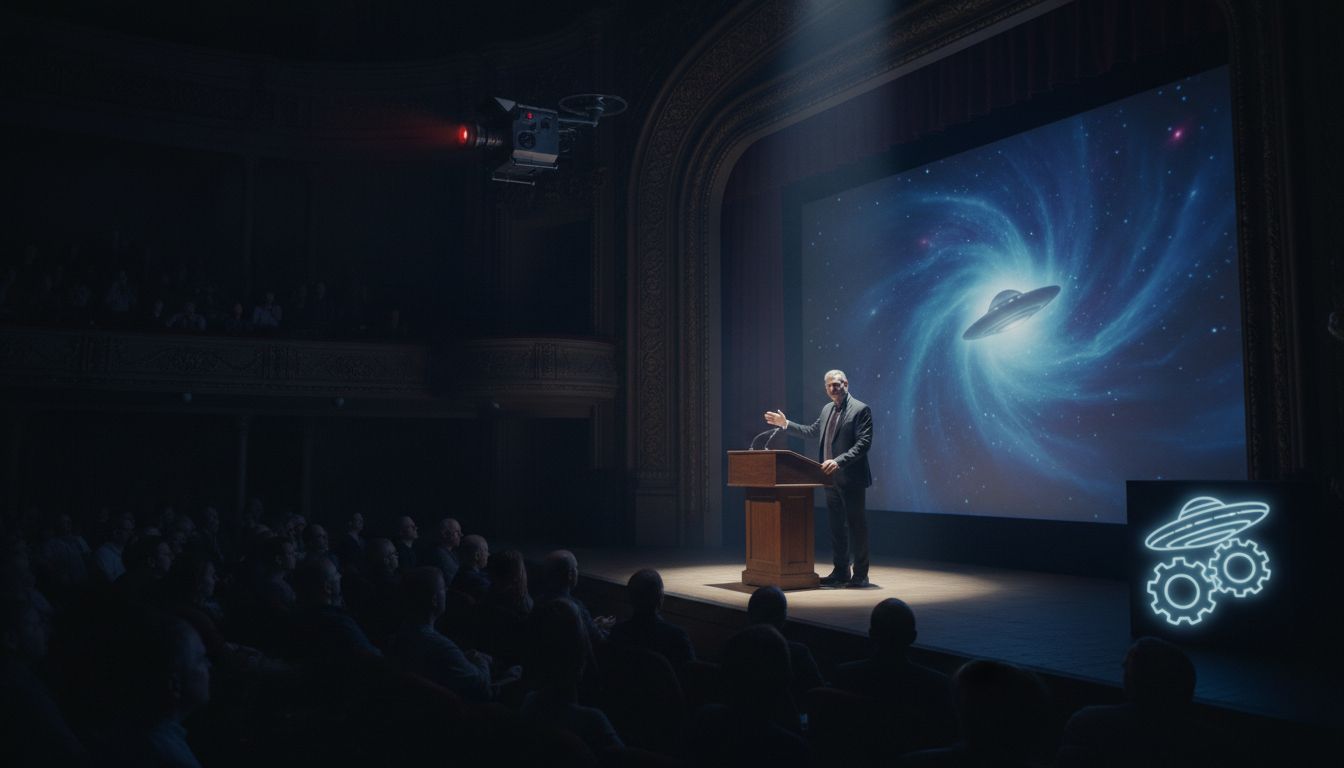
A prominent UAP (Unidentified Aerial Phenomena) whistleblower and disclosure activist is slated to address an audience in Columbus, Ohio, on March 7 at the Ohio State University Student Union. The appearance, first reported by local broadcaster WSYX, is part of a series of public events aimed at increasing governmental transparency on anomalous aerial observations that have attracted renewed attention from the Pentagon, Congress and the scientific community.
Background
The push for greater openness on UAPs accelerated after the Department of Defense released its 2023 Preliminary Assessment and the Office of the Director of National Intelligence issued a follow‑up report in early 2024. Those documents confirmed that a number of sightings remain unexplained and recommended further inter‑agency study. In response, several former intelligence and military personnel have stepped forward, describing their experiences and urging lawmakers to lift classification barriers. The Columbus speaker—identified in the event flyer only as a “whistleblower and disclosure activist”—has previously testified before the Senate Armed Services Committee and contributed to the “UAP Disclosure Project” that seeks to compile eyewitness accounts from government insiders.
Event Details
The talk, organized by the Columbus UAP Research Group (CURG), will be followed by a public Q&A session. CURG spokesperson Maya Patel told WSYX, “Our goal is to bring credible, firsthand testimony to the community and to encourage a fact‑based dialogue about national security, scientific inquiry, and public interest.” The organization has arranged for the session to be streamed live on its YouTube channel, allowing viewers nationwide to participate.
Attendees will receive a briefing packet that includes excerpts from the 2024 ODNI report, a timeline of recent congressional hearings, and a list of pending legislative proposals, such as the UAP Transparency Act currently under consideration in the House of Representatives. The event’s sponsor, the Columbus Science Forum, highlighted that the presentation will avoid speculative claims, focusing instead on documented incidents, data handling protocols, and the legal avenues available for future disclosures.
Reactions from Officials and the Public
Local officials have expressed cautious support. Columbus Mayor Andrew Ginther issued a brief statement, noting that “the city values open discussion on matters that affect public safety and scientific advancement, and we look forward to a respectful exchange of ideas.” Meanwhile, Ohio Representative Jim Jordan (R‑OH) declined to comment on the specific speaker but reiterated his committee’s ongoing oversight of UAP investigations.
Public response on social media has been mixed. The event’s Facebook page shows over 1,200 “interested” members, with comments ranging from “finally some real information” to “need solid evidence before jumping to conclusions.” A poll conducted by the Columbus Gazette indicated that 57 % of respondents believe the government should release more data on UAPs, while 28 % remain skeptical of the credibility of whistleblower testimonies.
Outlook
The Columbus appearance arrives at a pivotal moment for UAP policy. If the speaker’s testimony aligns with the limited data already declassified, it could bolster bipartisan efforts to fund a permanent UAP Office within the Department of Defense and to establish a statutory reporting mechanism for civilian and military sightings. Conversely, critics warn that anecdotal accounts risk politicizing a complex intelligence issue.
Regardless of the outcome, the event underscores a growing civil‑society movement that seeks to bridge the gap between classified military observations and public understanding. As CURG’s Patel remarked, “Transparency is not about sensationalism; it’s about accountability and ensuring that any potential national‑security implications are examined with rigor and openness.” The session promises to add a new chapter to the evolving conversation on unidentified aerial phenomena—one that may shape legislative and scientific approaches for years to come.


