Overview
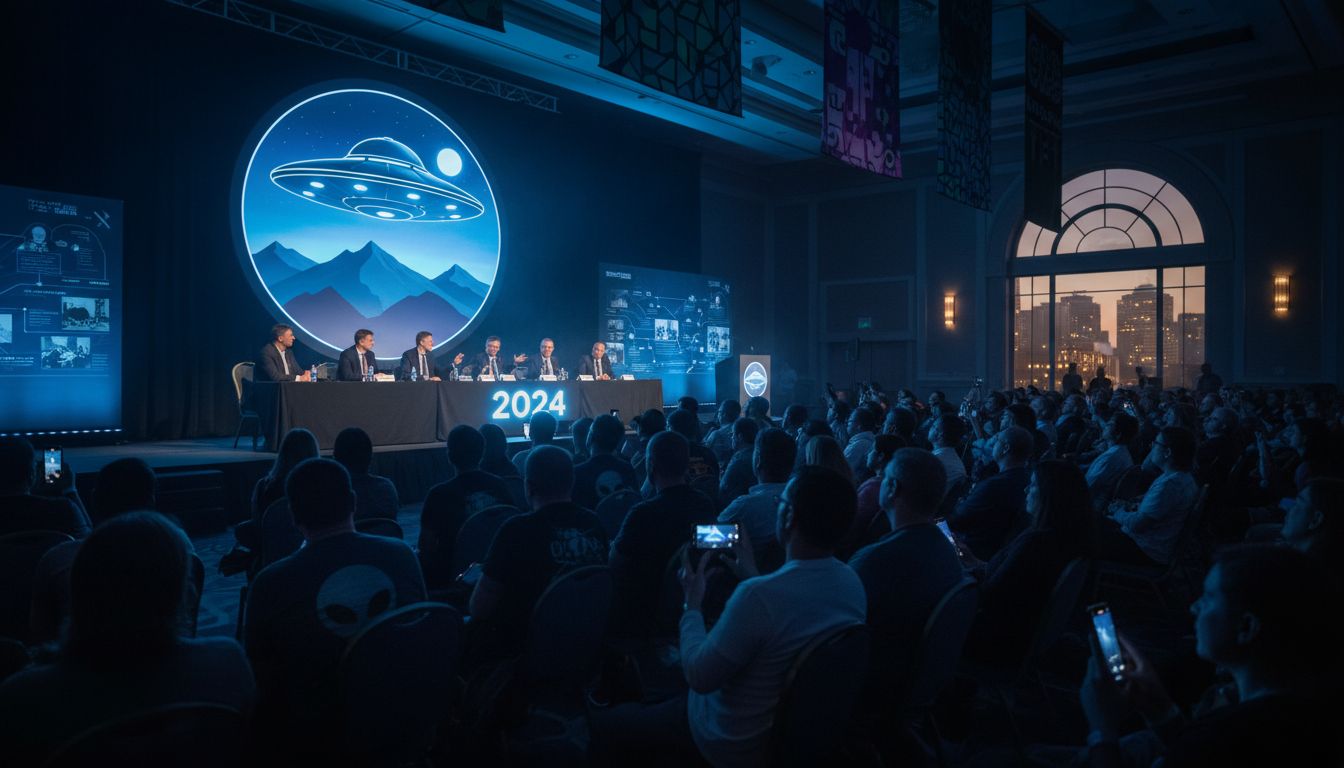
A UFO and UAP conference in Canada is drawing renewed attention to a subject that has moved steadily from fringe speculation into the mainstream of public conversation. The event, headlined by a former Pentagon insider, comes at a time when the Trump administration continues to release documents related to unidentified aerial phenomena, adding fresh momentum to a debate that blends public curiosity, national security concerns and calls for greater transparency.
The gathering reflects how the topic has evolved in recent years. What was once discussed largely among hobbyists and researchers is now the subject of official reviews, media coverage and government document releases. Organizers and attendees appear to be capitalizing on that shift, bringing together people interested in everything from eyewitness accounts and military encounters to the broader implications of unexplained aerial sightings.
Why the conference matters
The presence of a former Pentagon figure is especially notable because it gives the conference a measure of institutional credibility that UAP discussions often lacked in the past. While public fascination with UFOs has long been fueled by mystery, the involvement of former defense officials has helped reframe the issue in more serious terms — not as a question of science fiction, but as one involving airspace awareness, intelligence gathering and defense policy.
That shift has been reinforced by growing attention from governments in both the United States and abroad. UAP reports have increasingly been treated as legitimate matters for review, particularly when they involve military pilots or radar systems. For many conference attendees, events like this serve as a forum to compare notes, challenge assumptions and push for more disclosure about what is known — and what remains unexplained.
Document releases add to scrutiny
The timing of the conference is also significant. As the Trump administration continues releasing related documents, interest in the subject has intensified once again. Document disclosure has become a central issue for researchers and advocates who argue that the public deserves a clearer picture of how government agencies have handled unidentified sightings over the years.
Those releases tend to generate two parallel reactions: skepticism from those who believe many sightings have conventional explanations, and renewed urgency from those who think the information points to something still not fully understood. Either way, the documents help keep the subject in the public eye, ensuring that UAPs remain part of an ongoing policy and transparency discussion rather than a periodic curiosity.
Public interest shows no sign of fading
The conference landing in Canada underscores how international the discussion has become. Public interest in UFOs and UAPs is no longer confined to the United States, and Canadian audiences have shown a steady appetite for news and events on the topic. Whether attendees are motivated by science, security or simple curiosity, the turnout suggests that unexplained aerial phenomena continue to resonate well beyond specialist circles.
For now, the conference stands as another marker of a broader cultural and political shift: UFOs are no longer being discussed only as mysteries in the sky, but as issues tied to government disclosure, public trust and the limits of what official institutions are prepared to say. As more documents are released and more former officials speak out, that conversation is likely to grow louder — not smaller.