Overview
On Saturday, June 1, 2026, West Virginia hosted its first UFO Day at the West Virginia State Fairgrounds in Charleston. The day‑long gathering featured a series of public talks, interactive exhibits, and a panel discussion focused on unidentified aerial phenomena (UAP)—the term now preferred by the U.S. government for what were once popularly called “UFOs.” Organizers described the event as an effort to “raise public interest and awareness of recent UAP investigations” and to provide a forum where scientists, veterans, and policymakers could share the latest findings without speculation.
Event Highlights
The program opened with a keynote address by Dr. Maya Patel, a senior researcher at the National Institute for Aerospace Studies, who outlined the Pentagon’s 2023‑2025 UAP task force report. Patel emphasized that the report identified 144 cases that remained “unexplained after rigorous analysis,” underscoring the need for continued data collection. Throughout the day, attendees could explore a curated exhibit of de‑classified footage, radar logs, and sensor data, supplied by the Department of Defense and the Office of the Director of National Intelligence.
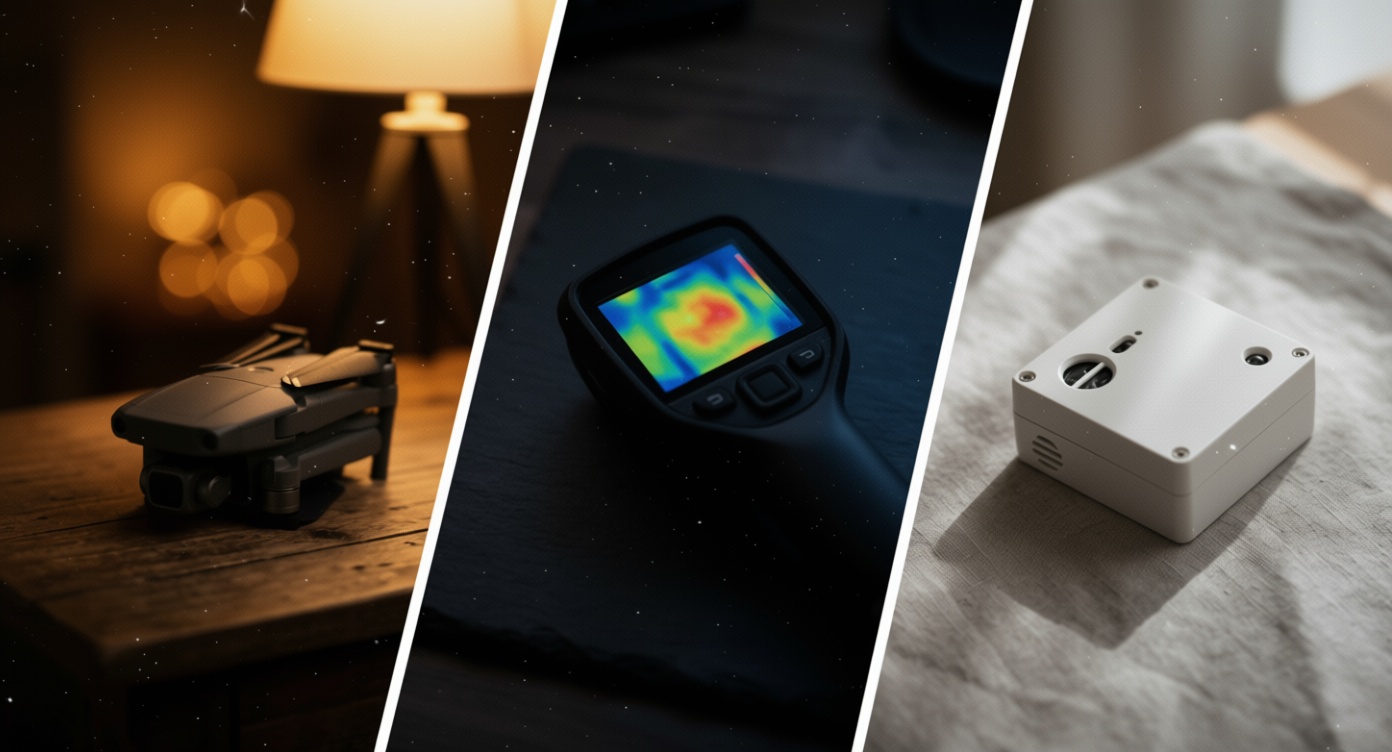
A notable feature was the “UAP Research Lab” set up by the West Virginia University (WVU) Department of Physics. Graduate students demonstrated how modern lidar and radio‑frequency instrumentation can detect anomalous objects at high altitude. The lab also showcased a live‑streaming “sky‑watch” station, where volunteers used handheld spectrometers to record atmospheric phenomena in real time.
Expert Perspectives
In addition to Dr. Patel, the panel included Lt. Col. James “Jim” Ortega (Ret.), who served on the U.S. Air Force’s UAP task force, and Dr. Elena Ruiz, a cognitive psychologist from the University of Pittsburgh who studies how media coverage influences public perception of anomalous sightings. Ortega cautioned against “jumping to extraterrestrial conclusions,” noting that many UAP cases likely involve advanced aerospace technology from foreign actors or sensor artifacts. Ruiz added that transparent communication from government agencies helps mitigate “the sensationalism that has historically clouded public discourse.”
A representative from the U.S. Office of the Director of National Intelligence (ODNI), speaking on a recorded video, reiterated the agency’s commitment to “provide timely, accurate information to the American people while protecting national security interests.” The ODNI’s recent “UAP Transparency Initiative,” launched earlier this year, was highlighted as a catalyst for community‑level events such as UFO Day.
Public Response
The event attracted an estimated 2,300 participants, ranging from local school groups to veteran organizations and amateur astronomers. Many visitors expressed appreciation for the opportunity to engage directly with experts. “It’s refreshing to hear scientists talk about UAPs in a measured way,” said Maria Gonzales, a high‑school teacher from Morgantown. “It gives us a factual basis to discuss these topics with our students.”
Local businesses also benefitted, with food vendors reporting a 30 % increase in sales compared to the previous weekend. The city’s tourism board noted that the event aligns with West Virginia’s broader strategy to promote “science, technology, engineering, and mathematics (STEM) outreach” across the state.
Looking Ahead
Organizers announced that UFO Day will become an annual fixture, with next year’s event slated for the same venue in June 2027. Plans include a collaborative research grant between WVU and the Department of Defense to fund a regional UAP data‑analysis hub. In the meantime, the ODNI has pledged to release an additional 50 % of its de‑classified UAP files by the end of 2026, a move welcomed by both the scientific community and the public.
As the conversation around unidentified aerial phenomena shifts from fringe speculation to mainstream scientific inquiry, events like West Virginia’s UFO Day illustrate a growing appetite for transparent, evidence‑based dialogue—a development that may shape how future investigations are conducted and reported.