Overview
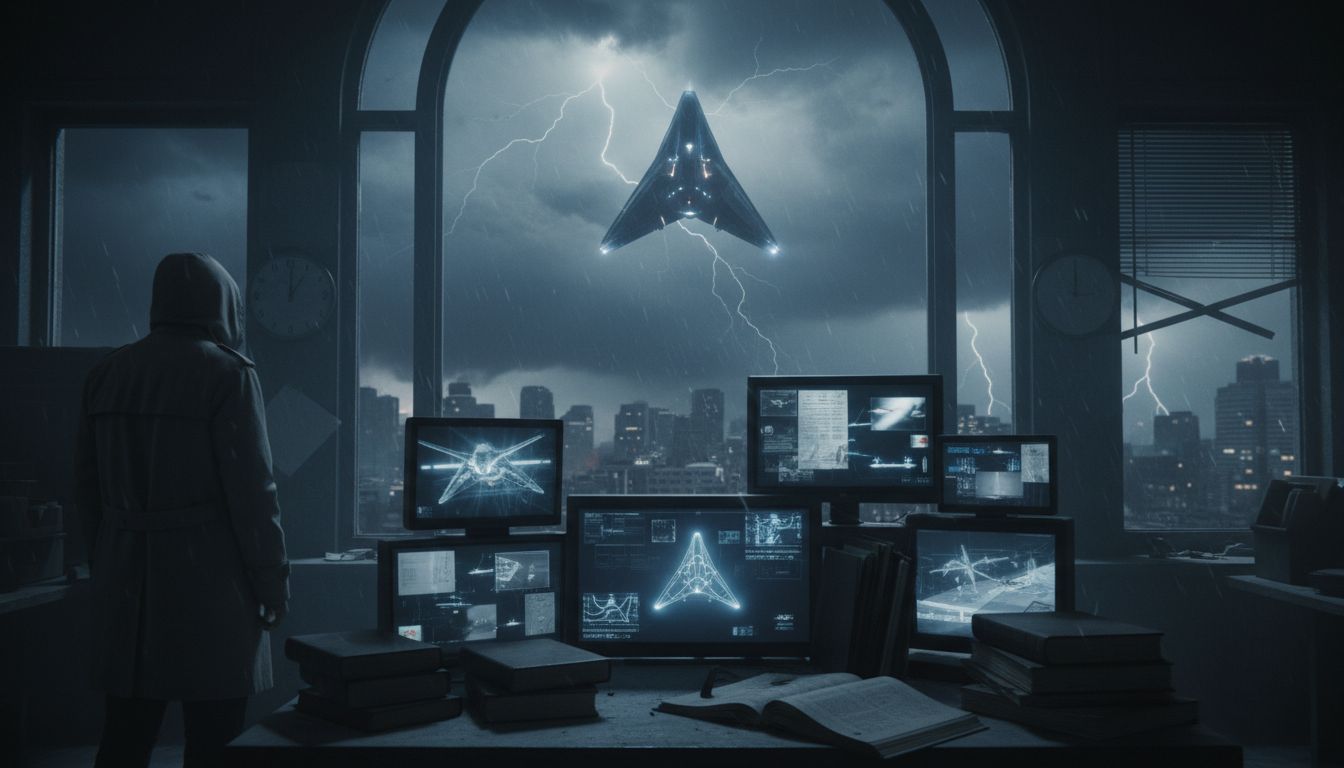
A new deadline has been announced for the public release of 46 previously classified Unidentified Aerial Phenomena (UAP) videos that were captured by U.S. military sensors over the past two decades. The move, driven by mounting pressure from congressional oversight committees and advocacy groups, aims to increase government transparency on a subject that has long been shrouded in secrecy. At the same time, former Pentagon official Sean Burchett disclosed fresh details about internal deliberations on the UAP program, while the documentary Sleeping Dog unveiled its first trailer, promising a broader cultural conversation about the phenomenon.
Deadline Details
The deadline, set for September 30, 2026, was communicated to the Department of Defense (DoD) by the Senate Intelligence Committee’s Subcommittee on Emerging Threats. The committee’s chair, Sen. Maria Cruz (D‑CA), stated that “the American public has a right to see the evidence that has been gathered for years, especially when it concerns national security and aerospace safety.” The 46 videos, which include infrared and radar recordings from Navy fighter jets, are to be de‑classified and posted on the DoD’s official website, with redactions limited to operational details that could compromise sources or methods.
The decision follows a series of Freedom of Information Act (FOIA) lawsuits filed by organizations such as the National Security Archive and the non‑profit UAP Transparency Project. In a recent filing, the Archive argued that the videos “represent a significant portion of the government’s documented encounters with anomalous aerial objects and should be made available without undue delay.” If the deadline is missed, the committee has warned that it will consider invoking its subpoena authority to compel compliance.
Burchett Revelation
Amid the escalating push for disclosure, Sean Burchett, who served as a senior analyst in the Pentagon’s Office of the Under Secretary of Defense for Intelligence, appeared before the House Oversight Committee on August 12. Burchett described a “systemic reluctance” within the defense establishment to fully assess UAP data, citing internal memos that warned of potential technological gaps.
“We have credible sensor data that shows objects moving at speeds and maneuverability beyond known platforms,” Burchett told lawmakers. “The problem has been less about the physics and more about the bureaucratic inertia that has prevented a coordinated scientific review.”
He also revealed that a classified task force, known internally as Project Starlight, had produced a preliminary risk assessment in 2023, concluding that “while no immediate threat to national security was identified, the unknown capabilities merit continued monitoring and independent analysis.” Burchett’s testimony has been hailed by UFO researchers as a “bombshell” because it confirms the existence of a high‑level, inter‑agency effort that has largely remained hidden from public view.
Sleeping Dog Trailer
The cultural dimension of the UAP debate received a boost on August 20 when the trailer for the upcoming documentary “Sleeping Dog” was released on major streaming platforms. Directed by investigative filmmaker Lena Ortiz, the film follows a team of scientists, former military pilots, and whistleblowers as they trace the history of UAP sightings from World War II to the present day.
In a brief statement, Ortiz said the documentary “aims to bridge the gap between sensational headlines and rigorous inquiry, letting the evidence speak for itself.” The trailer features excerpts from the newly released videos, alongside interviews with former officials—including a clip of Burchett’s congressional appearance—and commentary from aerospace experts such as Dr. Mira Patel, a professor at the Massachusetts Institute of Technology. Sleeping Dog is slated for a limited theatrical release in November, followed by a wider digital launch in early 2027.
Implications and Next Steps
The impending release of the 46 UAP videos, coupled with Burchett’s insider account, could reshape both policy and public perception. Analysts at the Center for Strategic and International Studies (CSIS) note that “transparent handling of the footage will allow the scientific community to apply rigorous methodologies, potentially demystifying phenomena that have long been relegated to fringe speculation.”
However, experts caution that the raw data may still leave many questions unanswered. “Even with full disclosure, interpreting sensor anomalies requires interdisciplinary expertise—physics, aerospace engineering, and atmospheric science,” said Dr. Patel. “The real test will be whether the government establishes a permanent, independent body to evaluate future encounters.”
As the September deadline approaches, watchdog groups are preparing to monitor the DoD’s compliance, while legislators are drafting supplemental legislation to fund a permanent UAP research office. Whether the forthcoming Sleeping Dog documentary will influence public sentiment or legislative action remains to be seen, but the convergence of governmental, investigative, and cultural efforts marks a notable shift toward openness on a topic that has long lingered in the shadows.


