Overview
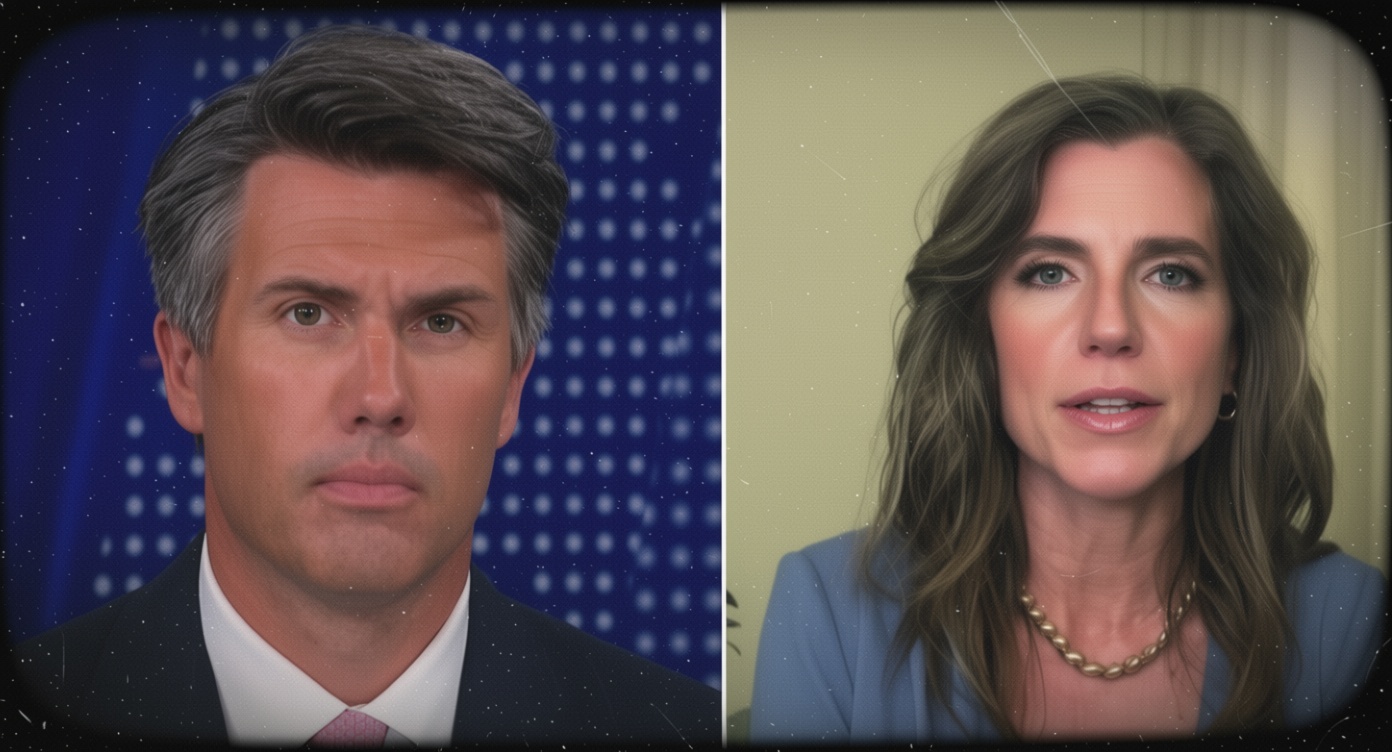
Rep. Nancy Mace said during a NewsNation interview that some federal agencies may be withholding UFO/UAP material from both the public and elected officials, raising fresh questions about transparency in a debate that has long been shaped by secrecy claims and limited disclosures. Her comments come as the federal government continues to release some records related to unidentified anomalous phenomena under the Trump administration, but Mace suggested that the information being made public may still be incomplete.
Key Details
Mace framed the issue as one of accountability, arguing that a “deep state” culture could be blocking access to material that should be available for oversight. While she did not identify specific agencies or provide documentary proof during the interview, her remarks reflected a broader concern among lawmakers and advocates that key UAP records may remain classified, hidden, or otherwise inaccessible even as public interest in the subject continues to grow.
The congresswoman’s comments are notable because they add to a bipartisan push in Washington for more clarity on unidentified sightings and related government files. In recent years, Congress has repeatedly pressed defense and intelligence officials for answers about what the government knows, what it has documented, and why some information remains restricted. Mace’s remarks fit into that ongoing pattern of lawmakers demanding that federal agencies not simply disclose what is convenient, but release what is necessary for proper civilian and legislative oversight.
Transparency and Public Trust
The central issue behind Mace’s statement is not just whether unusual aerial events have been observed, but whether the public and their representatives are receiving the full picture. Supporters of greater disclosure argue that secrecy surrounding UAP material fuels speculation and weakens trust in institutions, especially when government agencies acknowledge that some incidents remain unexplained. Critics of expansive secrecy say that if records are being withheld, Americans deserve a clear explanation for why those materials cannot be shared.
At the same time, federal officials have typically defended classification practices on national security grounds, noting that some UAP-related information may involve sensitive sensors, defense capabilities, or intelligence methods. That tension — between transparency and secrecy — remains at the heart of the UAP debate. Mace’s comments suggest that for some lawmakers, the concern is no longer only about unidentified objects in the sky, but also about the institutional barriers that may prevent meaningful disclosure.
Broader Implications
Mace’s remarks may resonate with viewers and constituents who believe the government has not been fully forthcoming about unexplained aerial phenomena. They also underscore how UAP transparency has evolved from a fringe topic into a matter of legislative attention and public policy. Whether the issue involves misidentification, advanced military technology, or something else entirely, the question of who controls the records — and who gets to see them — remains central.
For now, Mace’s interview adds another voice to the growing chorus calling for more openness. But without specific evidence made public, her claim remains an allegation rather than a confirmed finding. Still, in the UAP arena, where partial disclosures often generate more questions than answers, even a suggestion of hidden material is enough to keep pressure on federal agencies to explain what they know and what they are still keeping behind closed doors.