Overview
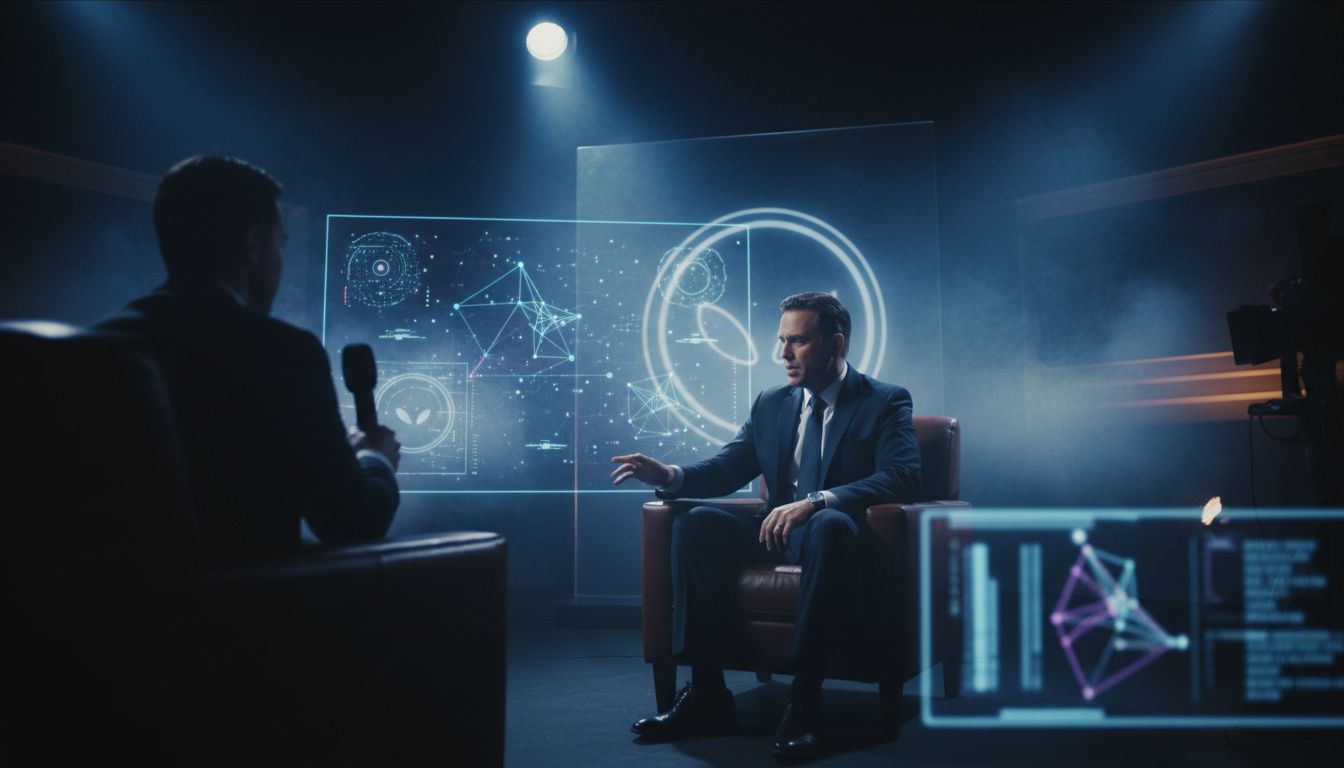
In a recent WGCU interview, MUFON Florida senior investigator Dr. Elena Ramirez addressed the surge of UFO/UAP reports that have surfaced across the Sunshine State and the broader United States. Ramirez, who has overseen more than 1,200 civilian submissions in the past year, said the volume of sightings “is not a statistical anomaly; it reflects a genuine increase in public awareness and willingness to report.” The conversation centered on the growing clamor for government transparency, the latest batch of official data releases, and the critical role that volunteer networks continue to play in documenting the phenomenon.
Recent Sightings and Patterns
Ramirez highlighted several clusters of reports that have drawn attention from both the public and the Pentagon’s All‑Domain Anomaly Resolution Office (AARO). In early March, a series of radar‑confirmed lights were observed over the Tampa Bay area, described by pilots as “high‑speed, low‑altitude objects executing abrupt maneuvers.” A similar incident occurred on April 5 near Naples, where multiple witnesses captured “disc‑shaped formations” on video that exhibited synchronized flight paths. “What’s notable,” Ramirez explained, “is the consistency in flight characteristics—rapid acceleration, no visible propulsion, and flight paths that defy conventional aeronautics.” She added that these reports align with patterns identified in the 2023 UAP Task Force annual report, which cited “multiple instances of objects displaying advanced maneuverability.”
New Data Releases and Calls for Transparency
The interview also examined the impact of recent government disclosures. In February, the Office of the Director of National Intelligence (ODNI) released a de‑classified supplement to its 2022 UAP assessment, adding 28 new case files and acknowledging that “some observations remain unexplained.” Ramirez praised the supplement as “a step forward, but still a drop in the bucket compared to the thousands of civilian reports filed annually.” She urged lawmakers to enact the UAP Transparency Act, which would mandate the systematic release of unclassified data to the public and academic researchers. “When the government shares what it can, it not only bolsters scientific inquiry but also reduces the stigma that discourages witnesses from coming forward,” she said.
Obstacles to Official Acknowledgment
Despite these releases, Ramirez identified several institutional hurdles that continue to impede full disclosure. Classified status, inter‑agency jurisdictional disputes, and the lack of a unified reporting standard create “a fragmented information landscape,” she noted. Moreover, the Department of Defense’s reliance on “need‑to‑know” protocols often results in delayed or heavily redacted reports. “We’re dealing with a legacy of secrecy that dates back to the Cold War,” Ramirez observed, citing the 2021 “Project Blue Book” archives as an early example of selective transparency. She warned that without legislative pressure, the pace of declassification may remain sluggish.
The Vital Role of Civilian Reporting Networks
Ramirez emphasized that civilian organizations like MUFON remain indispensable. Their standardized reporting forms, cross‑verification processes, and open‑access databases provide a “ground‑level complement” to government efforts. “When a pilot files a report, we cross‑check it with radar data, eyewitness accounts, and, when possible, sensor recordings from nearby installations,” she explained. This collaborative model has already yielded “several corroborated cases that were later referenced in official briefings.” Ramirez called for increased funding for such networks, arguing that “robust civilian data collection is the only way to ensure a comprehensive, unbiased picture of the UAP landscape.”
As the dialogue between investigators, government agencies, and the public evolves, Ramirez remains cautiously optimistic. “Transparency is a two‑way street,” she concluded. “If the government opens its files, the public will respond with more rigorous reporting, and together we can finally move the conversation from speculation to science.”