Overview
A new YouTube compilation circulating in the UFO/UAP community has drawn attention for assembling four separate sightings that, according to the video’s framing, appear to defy known physics. Posted to #ufotwitter on July 24, 2026, the clip from the channel UFO Informer revisits footage recorded between September and November 2020 in the United States, Mexico, and Japan. The compilation relies on witness reports, MUFON case files, and digital enhancement tools to examine what the channel presents as unexplained aerial phenomena. While the video does not establish what the objects are, it highlights a set of recurring features that enthusiasts often cite in UAP discussions: high luminosity, unusual shapes, and motion that seems to depart from conventional aircraft behavior.
Orlando and Bridgewater Sightings
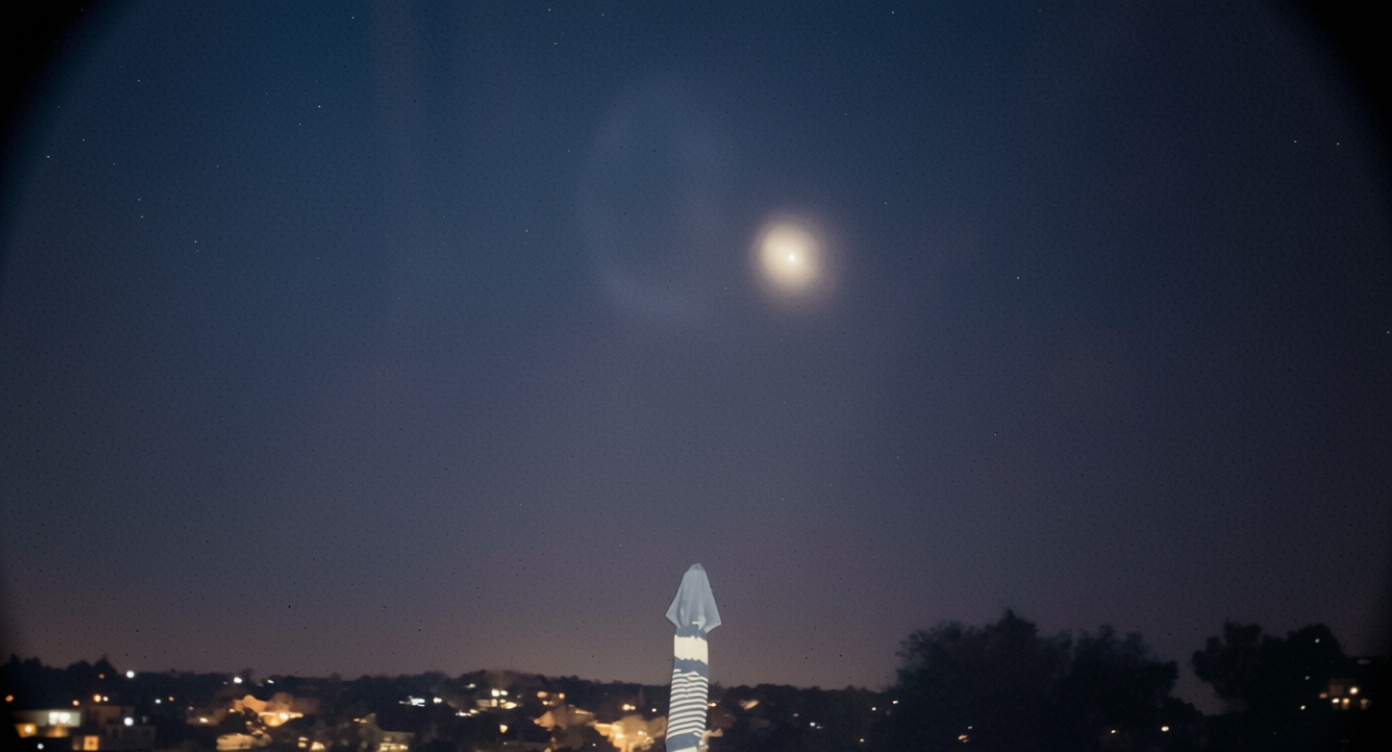
One of the strongest examples in the compilation comes from Orlando, Florida, on November 4, 2020, linked to MUFON Case #112448. In that report, a witness filmed two bright points of light from the roof of a parking garage. The objects reportedly remained stationary for a time before separating and accelerating away. The video uses upscaling and contrast enhancement to make the lights more visible against the dim evening sky, though the footage remains limited by distance and the original camera quality. A second U.S. case, from Bridgewater, South Dakota, on September 17, 2020, shows a brightly illuminated object captured at sunset by a young witness. The channel slows the footage to half speed to emphasize the object’s brightness and apparent movement, presenting it as one of the youngest contributors featured in its analysis.
Sightings in Mexico and Japan
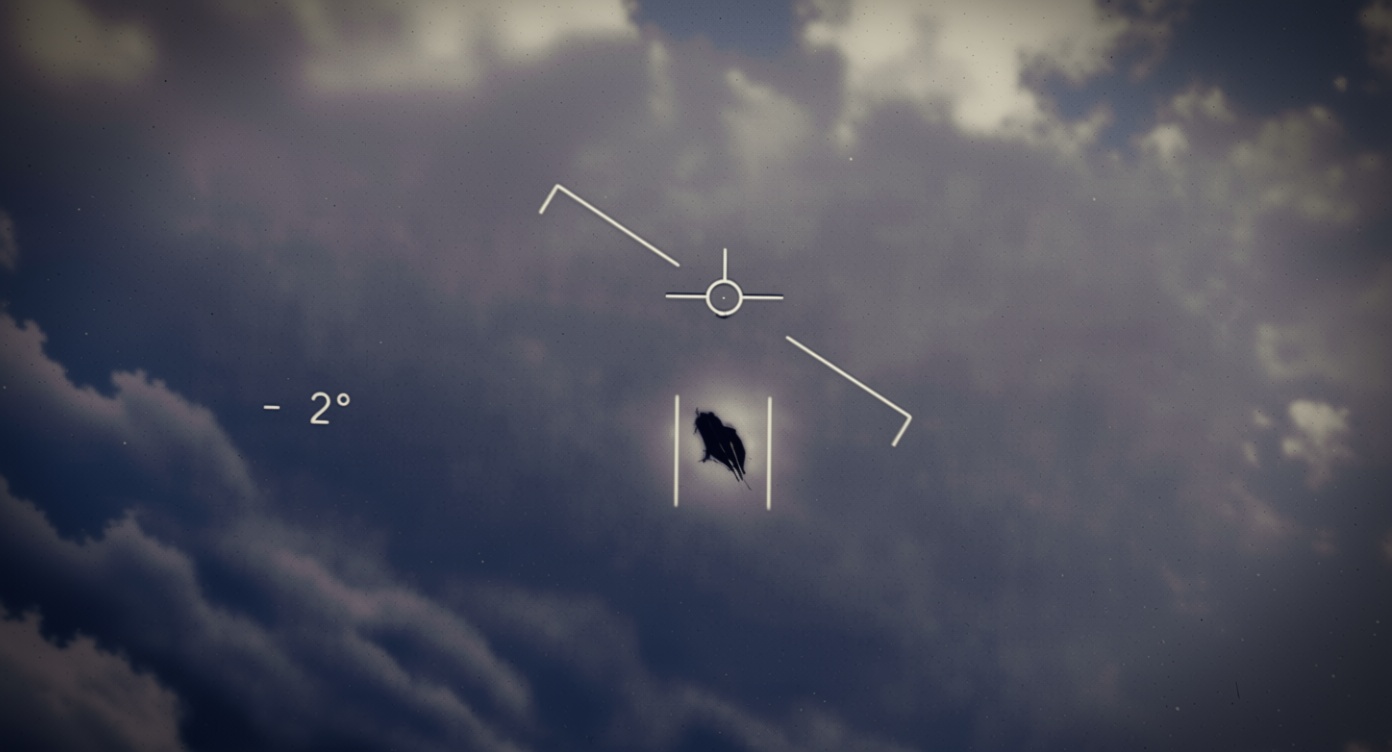
The compilation also includes a case from Chihuahua, Mexico, on November 16, 2020, credited to YouTuber Mario Armendariz V. The witness recorded a bright object in an area described as “La Junta,” which the video characterizes as a long-running UFO hotspot. According to the account, the object changed direction early in the recording while maintaining a steady pace, and enhanced stills suggest a disc-like or slightly elongated form. Another clip, filmed in Tokyo, Japan, on November 15, 2020, was credited to French Bulldog Coco and reportedly observed by the witness and friends in a clear daytime sky. That object is described as resembling the “Tic-Tac” shape associated with the 2004 U.S. Navy Nimitz incident, with stabilization and zoom revealing what appears to be a white, pill-shaped body at altitude.
Enhancement, Interpretation, and Limits
Across all four clips, the producers use digital stabilization, zoomed stills, and contrast adjustments to extract detail from shaky or distant video. Those techniques can improve visibility, but they also introduce interpretive limits, especially when the source material is already low resolution. The compilation emphasizes objects that seem to hover, shift direction, or accelerate without obvious propulsion—observations that, if accurate, would challenge ordinary aircraft identification. At the same time, the video stops short of proving an extraordinary explanation. Reflections, atmospheric effects, lens artifacts, and misidentified conventional objects remain plausible possibilities in many such cases.
Broader Context
The appeal of compilations like this lies less in conclusive proof than in the accumulation of unresolved examples. For researchers and enthusiasts, the clips offer data points for public scrutiny and, in some cases, formal follow-up by organizations such as MUFON. For skeptics, the same footage underscores the difficulty of drawing firm conclusions from brief, distant videos shot on consumer devices. Either way, the collection reflects the broader UAP conversation: a mixture of witness testimony, digital analysis, and uncertainty, with each new compilation adding to a growing archive of sightings that remain open to interpretation.