Overview
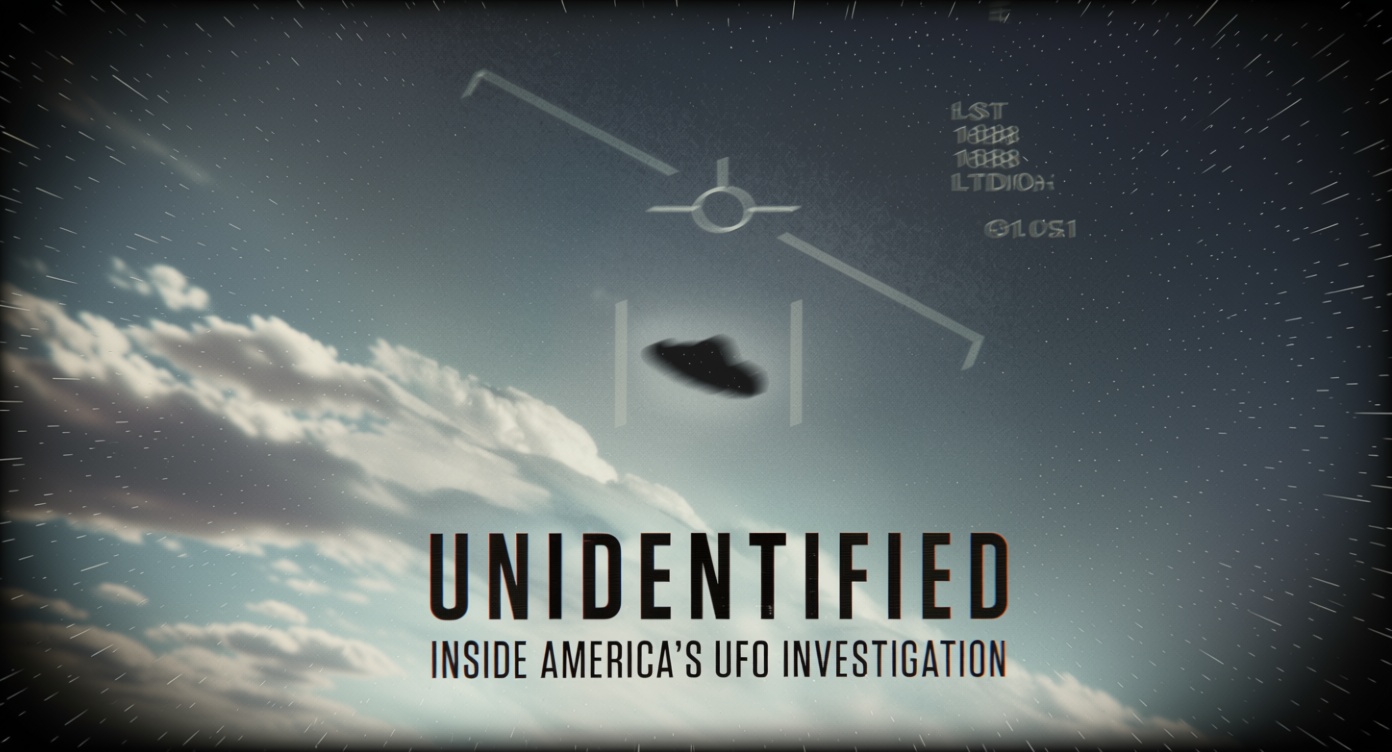
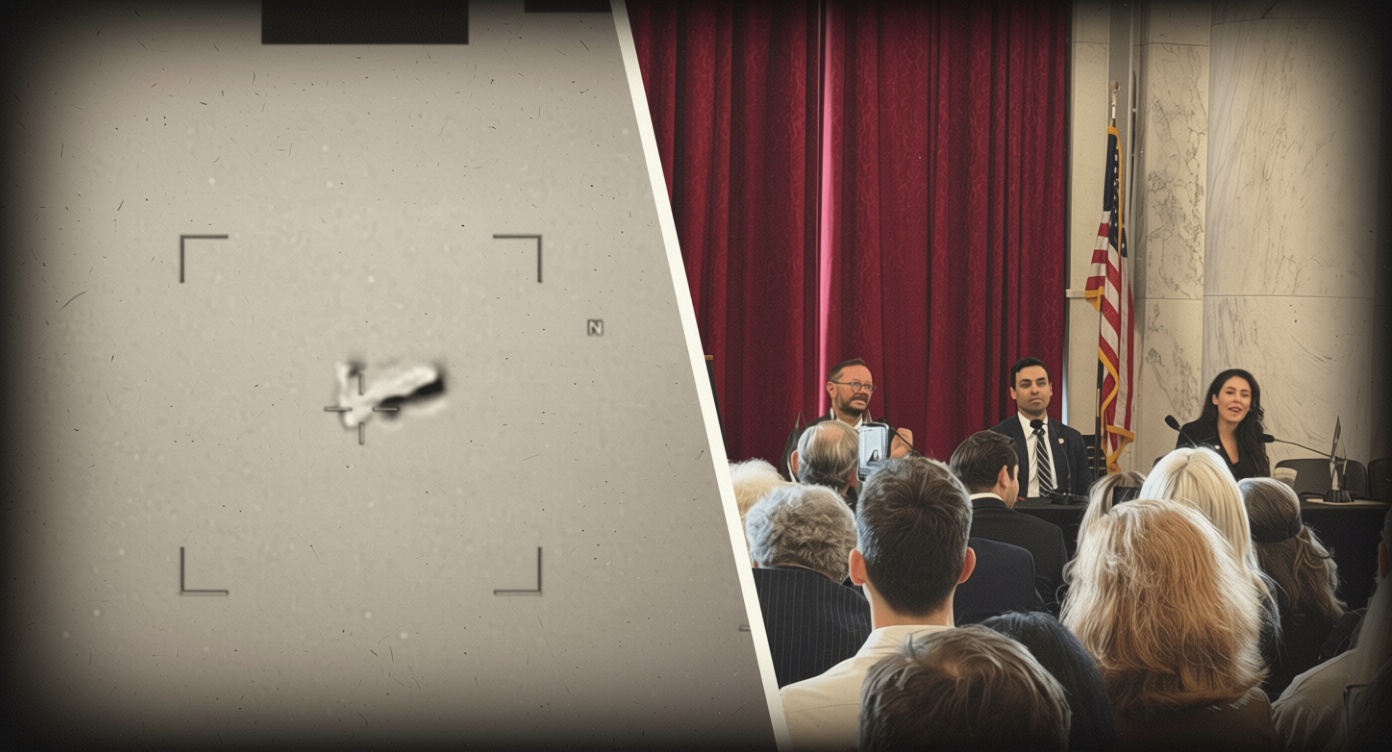
At Thursday’s Disclosure Forum, the central message from lawmakers, researchers, whistleblowers and advocates was clear: UFO transparency is no longer being treated as a fringe issue, but as a policy, science and public trust question. The NewsNation event examined how greater openness about unidentified anomalous phenomena (UAPs) could affect everything from national security to religion and financial markets, reflecting a broader push in Washington for more disclosure on what the government knows about the topic.
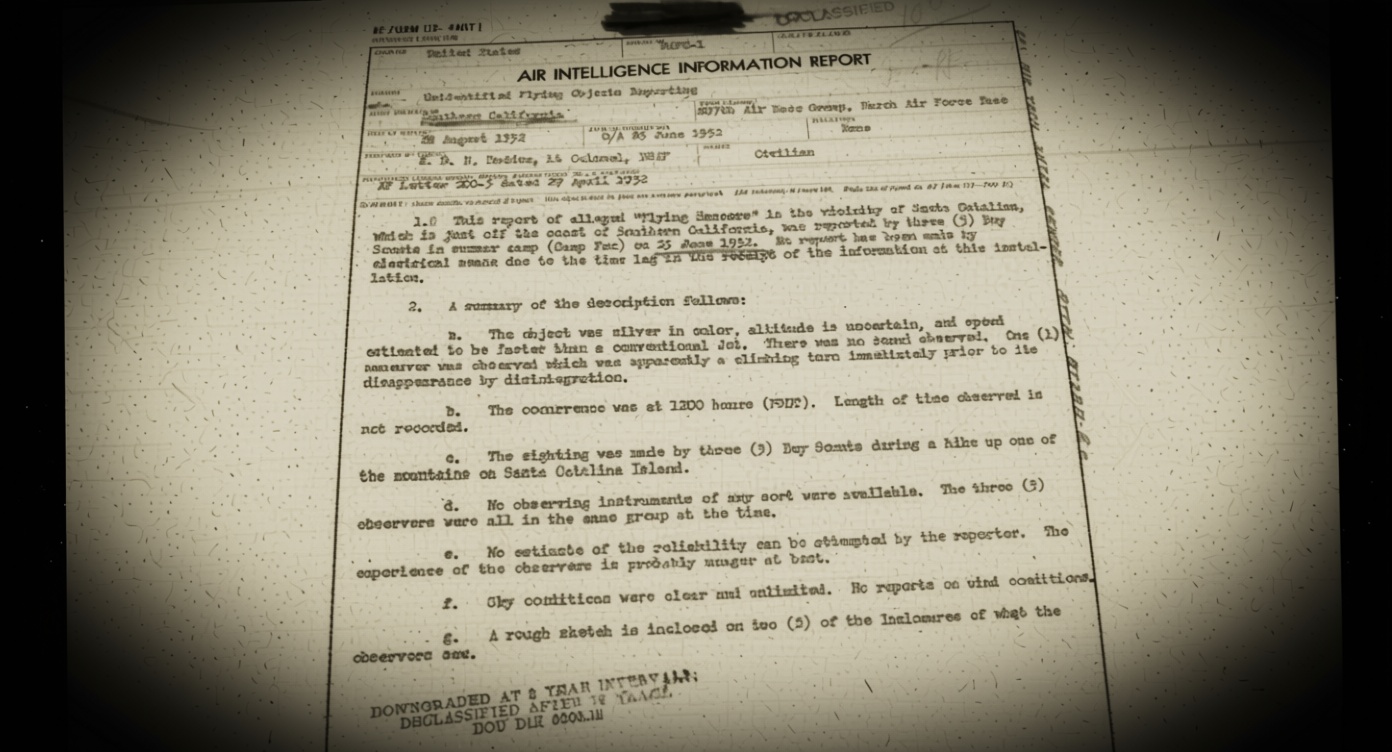
The forum came amid continued congressional pressure for answers, with speakers revisiting long-running concerns about secrecy, stigma and the difficulty of bringing credible information into the public domain. Rather than focusing on sensational claims, panelists framed the issue around what disclosure would mean in practical terms: how institutions respond, what evidence exists, and whether the public can trust the process.
National Security, Markets and Public Confidence
One of the recurring themes was the national security implications of UAP reporting and disclosure. Participants discussed how unexplained aerial activity intersects with defense concerns, intelligence gathering and the challenge of distinguishing advanced foreign technology from something else entirely. That tension has helped keep UAPs in the public eye, especially as lawmakers continue pressing for access to classified material and clearer reporting standards.
The forum also addressed the oft-repeated claim that confirmation of extraterrestrial life would cause financial panic. Panelists pushed back on that idea, arguing that markets are more likely to react to uncertainty than to the existence of new information itself. Pippa Malmgren suggested that unexplained disappearances and possible links to UAP research only deepen the need for transparency, though such speculation remains unproven and highly contested. The broader point, speakers said, was that secrecy itself can distort public confidence more than disclosure would.
Stigma and the Human Cost of Silence
Another major focus was the role of stigma in suppressing UAP reporting. Jennice Vilhauer argued that fear of ridicule can prevent people from coming forward with information, narrowing the pool of credible witnesses and hindering investigation. She also noted that stigma can affect the support people receive after encounters, including how seriously medical or mental health concerns are taken.
That idea of institutional response was central to the discussion of disclosure’s psychological impact. Vilhauer said the outcome would depend heavily on who delivers the information and how trustworthy those institutions are. Survey data cited at the forum suggested that most people do not see UAPs as personally threatening, which could help explain why disclosure may be less destabilizing than some critics predict.
Religion, Evidence and the Scientific Standard
The forum also explored how disclosure might intersect with religion, especially within monotheistic traditions. Carlos Eire addressed a familiar question in UFO discourse: whether evidence of extraterrestrial life would challenge core religious beliefs. The conversation underscored that disclosure is not only a scientific issue, but also a cultural one, touching on long-held views about humanity’s place in the universe.
Harvard astrophysicist Avi Loeb brought the discussion back to evidence. He said the “holy grail” of UAP research would be detailed satellite imagery and testable material that could reveal whether an object is of Earth origin. “We should keep our eye on the orbs, not the audience,” Loeb said, urging scientists to focus on data rather than speculation. He added that even if UAPs turn out to be human-made, the investigation would still be valuable because it would answer a longstanding question with scientific rigor.