Overview
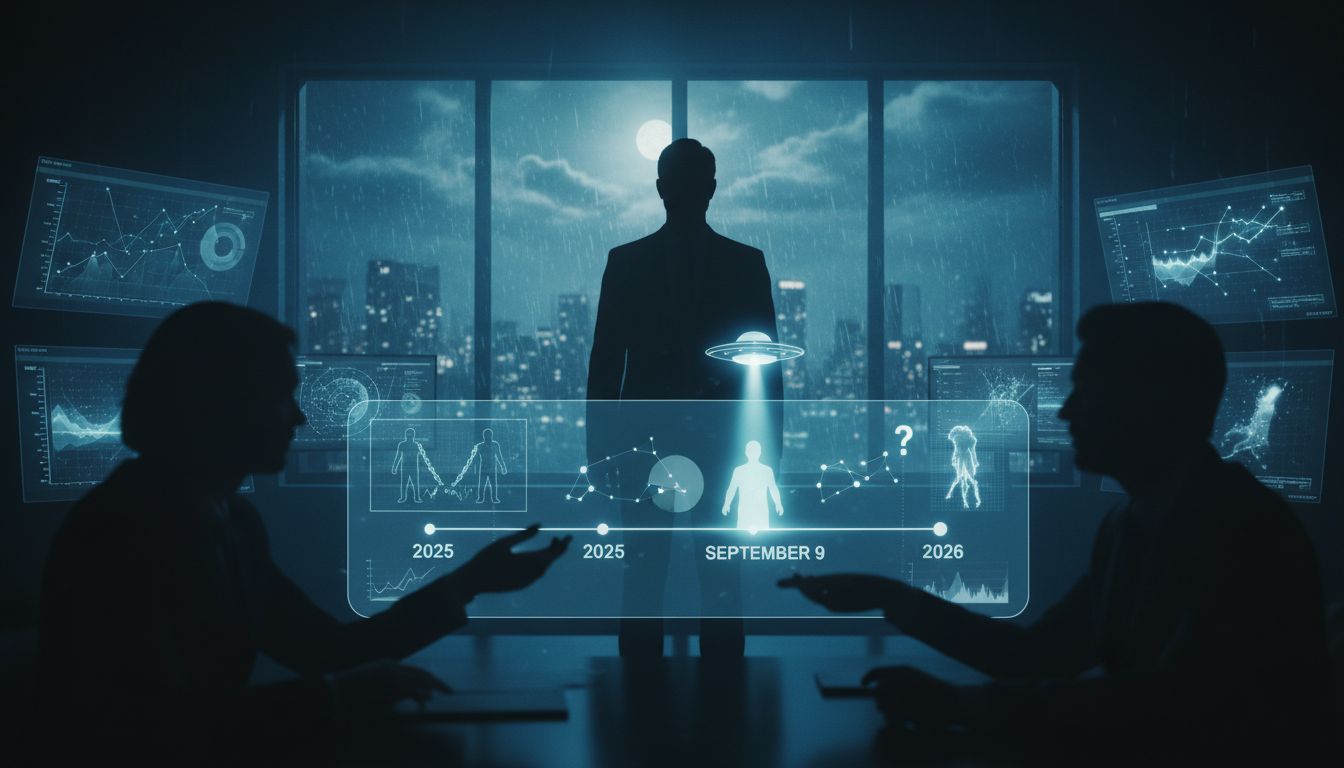
The year 2025 proved to be a mixed one for the UFO and Unidentified Anomalous Phenomena (UAP) community, according to a recent breakdown episode of "That UFO Podcast." Hosts Andy and Dan, both recognized voices in the field, reflected on the key developments, legislative challenges, and cultural moments that shaped the past year, while offering a cautious outlook for 2026. The episode, which also featured contributions from listeners and a nod to high-profile TV dramatizations of alien contact, provided an informed yet measured assessment of the current state of UFO transparency and public engagement.
Highlights and Disappointments of 2025
Reflecting on 2025, the hosts acknowledged a sense of disappointment among many in the UFO community, particularly regarding the lack of significant progress toward what is often called "Big D" disclosure—the hoped-for, definitive public admission of non-human intelligence or recovered materials by government authorities. Whistleblower protection remained a central concern, with insiders reportedly still facing significant risks in coming forward, despite heightened public interest and repeated calls for legislative safeguards.
One of the year’s major milestones was the September 9 House hearing, which featured testimony from veteran journalist George Knapp. The hosts praised Knapp’s contribution as a highlight, noting that it brought renewed legitimacy and attention to the topic at the Congressional level. However, they also observed that the hearing, while important, did not result in the sweeping revelations or policy changes that many advocates had hoped for.
Legislative Path and the Road to 2026
Looking forward, both hosts expressed skepticism about the likelihood of dramatic breakthroughs in 2026 without a transformative event or "smoking gun" evidence emerging. "Without a dramatic breakthrough, 'Big D' disclosure is unlikely," they cautioned, echoing a sentiment that has become increasingly common in the community.
Missouri Congressman Eric Burlison’s statements were highlighted as emblematic of the current legislative mood: a cautious, incremental approach rather than sweeping action. Burlison and others have outlined a careful path forward, focusing on incremental improvements in transparency and a short list of potential new witnesses who might provide further testimony. This approach, while prudent, has left some activists frustrated by the slow pace of change.
Cultural Impact and Public Interest
The podcast also touched on the broader cultural resonance of the UFO topic, referencing the popularity of TV shows like "Pluribabus," which offered a fresh take on the alien invasion narrative. Both hosts praised the series for its thought-provoking storyline and high production values, noting how such dramatizations can inspire renewed public curiosity and debate about the possibilities of extraterrestrial contact.
While these cultural products do not substitute for official disclosure or scientific validation, they play an important role in keeping the conversation alive, particularly during periods when official progress appears stalled.
Conclusion
As 2026 approaches, the UFO community faces a familiar mix of hope and frustration. While notable hearings and credible voices like George Knapp have helped sustain mainstream attention, substantive breakthroughs remain elusive. With legislators like Eric Burlison advocating for a careful, witness-driven approach and whistleblower protection still unresolved, the road to full disclosure looks set to remain gradual and uncertain. For now, both the podcast’s hosts and their listeners appear united in their determination to keep watching the skies—and the halls of Congress—for any sign of real change.