Overview
In the past two weeks, residents across several Connecticut towns have reported seeing bright, moving lights in the night sky that have sparked a wave of speculation on social media. While some observers have labeled the phenomena “UFOs,” others suggest the lights could be commercial or hobbyist drones, atmospheric reflections, or other conventional sources. The surge of public interest prompted a bipartisan group of state legislators to formally request a detailed explanation from state agencies, urging officials to clarify whether the sightings are attributable to drones, atmospheric events, or something else entirely.
Legislative Action
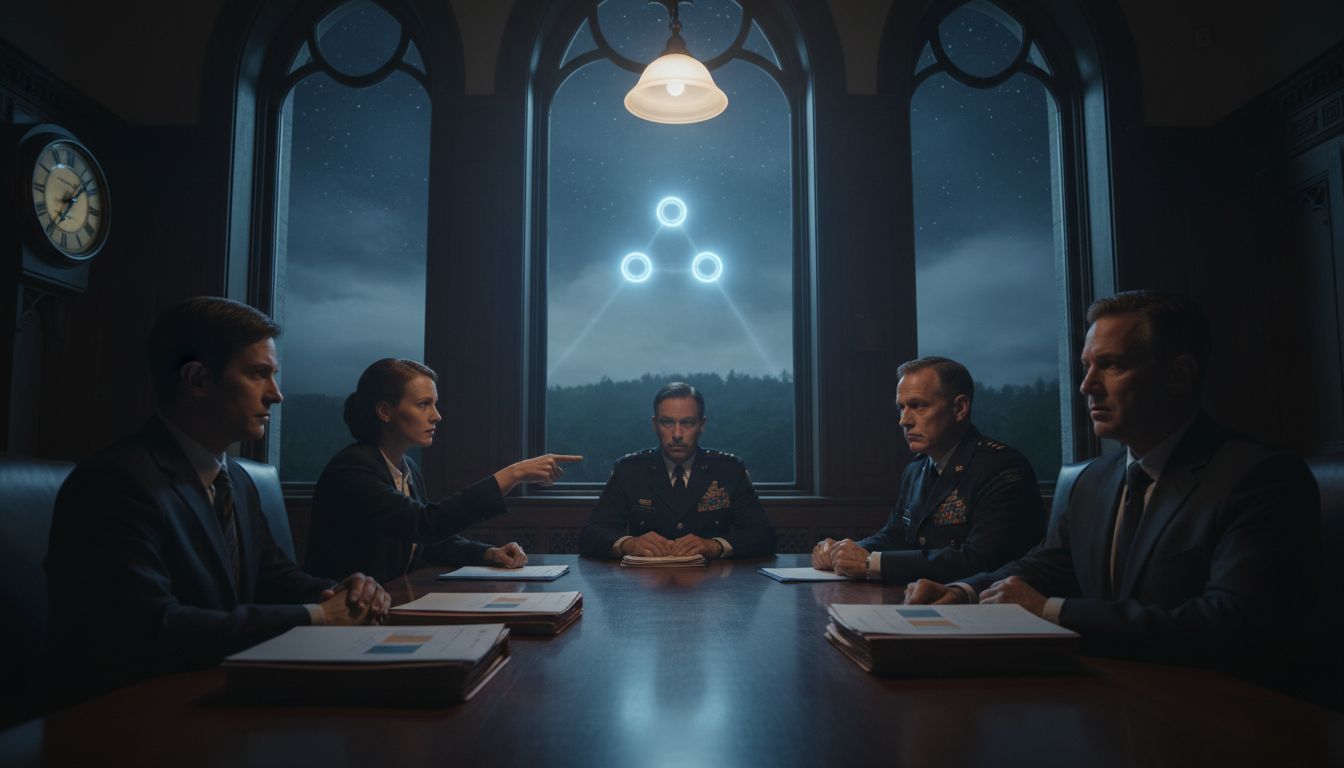
On April 1, a joint hearing was scheduled by the House Committee on Public Safety and the Senate Committee on Energy and Technology. Lawmakers, including Representative David L. Cummings (R‑East Hartford) and Senator Maria L. Hernandez (D‑Westport), submitted written letters to the Connecticut Department of Emergency Services and Public Protection (DESPP), the Department of Transportation (DOT), and the Governor’s Office. In their correspondence, they asked for a comprehensive briefing that includes any radar data, flight‑plan records, and visual‑observation reports related to the recent lights. “Our constituents deserve transparency,” Cummings said in a statement. “Whether it’s a drone demonstration or an unidentified aerial phenomenon, the public has a right to know what’s happening over our neighborhoods.”
Possible Explanations
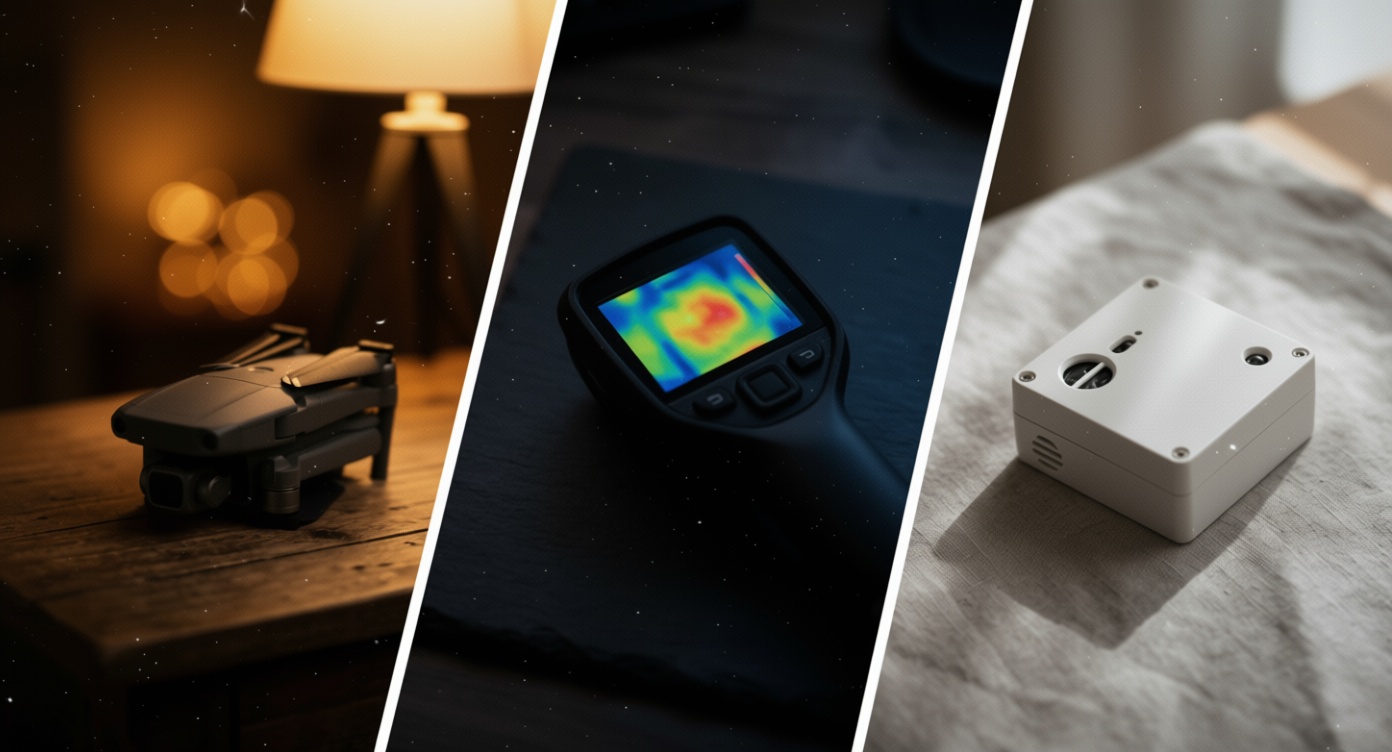
State officials have so far offered limited information. A spokesperson for the DOT indicated that a series of authorized drone flights for a private technology firm were scheduled in the area on the nights in question, but the flights were confined to altitudes below 400 feet and were not expected to be visible from the ground. The Connecticut State Police, which has received multiple 911 calls about the lights, noted that no unauthorized aircraft were detected on its radar. However, the agency acknowledged that its civilian‑grade radar may not capture small, low‑altitude drones equipped with stealth technology.
Meteorologists from the University of Connecticut have also been consulted. Dr. Laura Patel, an atmospheric physicist, explained that “high‑altitude ice crystals can reflect city lights, creating moving glints that can be mistaken for aircraft,” especially when observed from dark, rural locations. She added that such phenomena are typically brief and do not follow the sustained, patterned movements reported by some witnesses.
Next Steps
The legislative committees have set a deadline of April 15 for state agencies to submit their findings. If the response does not satisfy lawmakers, they plan to introduce a resolution calling for the establishment of a permanent state task force to monitor and investigate unidentified aerial phenomena (UAP). The resolution would also seek funding for advanced detection equipment, such as high‑resolution cameras and lidar systems, to be deployed at strategic sites across Connecticut.
In parallel, the federal All‑Domain Anomaly Resolution Office (AARO)—the Pentagon’s successor to the U.S. Navy’s Unidentified Aerial Phenomena Task Force—has been monitoring reports from the region. AARO’s public statements emphasize that most UAP sightings are eventually explained by conventional means, but they maintain an open‑door policy for credible reports. Connecticut officials have indicated they will coordinate with AARO should any data suggest a national‑security relevance.
Broader Context
The Connecticut incident occurs amid a growing national dialogue on UAPs. In 2023, the U.S. intelligence community released a preliminary assessment acknowledging that a small percentage of sightings remain unexplained. Since then, several states—including Colorado, Texas, and Arizona—have launched their own inquiries into similar aerial events. While the majority of investigations have concluded that drones or atmospheric conditions are the cause, the persistence of public curiosity underscores the need for clear communication between government agencies and citizens.
By demanding a thorough, evidence‑based explanation, Connecticut lawmakers aim to balance public concern with scientific rigor. Whether the mysterious lights turn out to be a coordinated drone demonstration, a rare atmospheric effect, or an as‑yet‑unidentified phenomenon, the forthcoming report will set a precedent for how the state addresses aerial mysteries in the era of increasing drone usage and heightened UAP awareness.