Overview
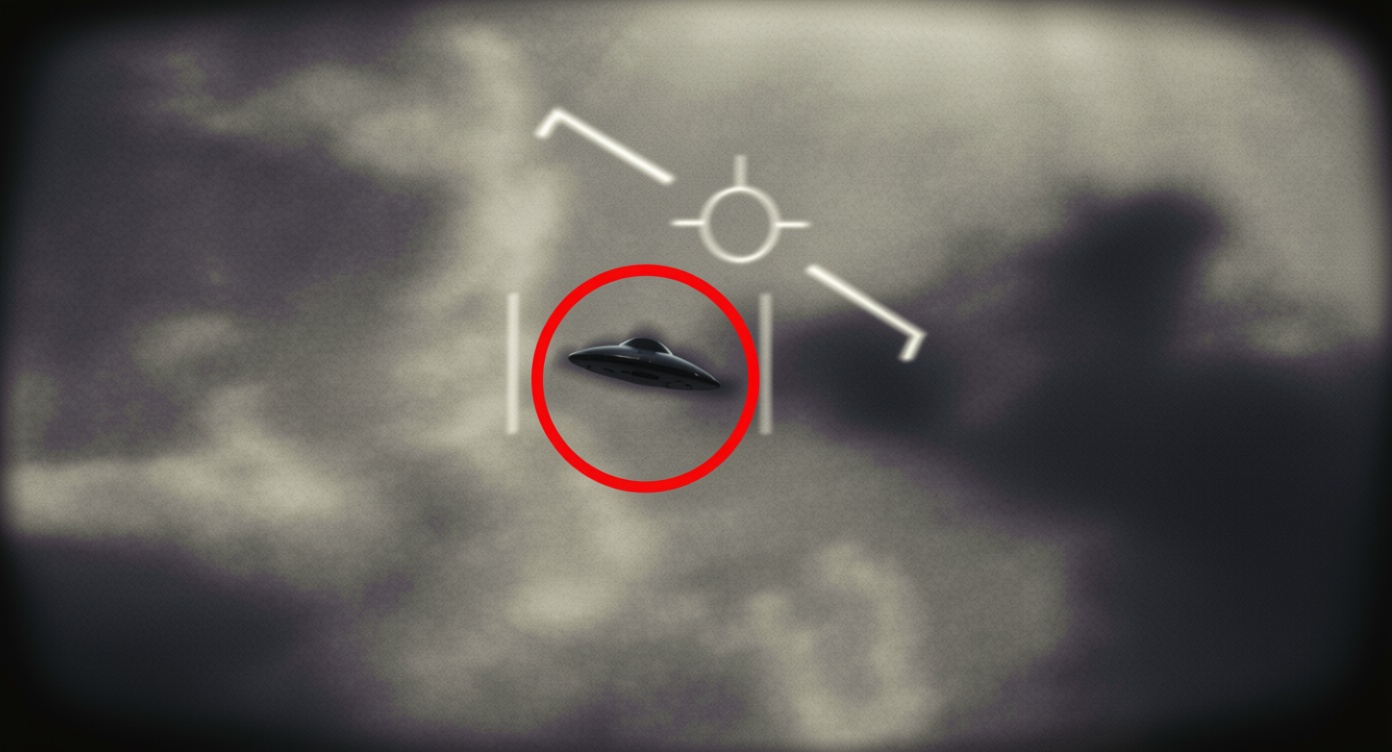
A newly listed DVIDS video titled “DOW-UAP-PR135, Unresolved UAP Report, Middle East, 2025” points to an unidentified anomalous phenomenon report tied to the Middle East, but the available description offers no substantive details about what was observed, where it occurred, or who assessed it. The item’s most notable feature is its status: unresolved. In the absence of a fuller briefing, the listing adds another entry to the growing catalog of UAP-related material circulating through official and quasi-official military media channels, while leaving the underlying incident largely opaque.
The video appears on the Defense Visual Information Distribution Service (DVIDS), the Department of Defense’s public-facing media distribution platform used to share imagery, video, and official content from military and government entities. While DVIDS often hosts routine public affairs material, the presence of a UAP-related file underscores how the term unidentified anomalous phenomenon has become embedded in the Pentagon’s vocabulary as a catchall for sightings or sensor detections that cannot be immediately explained. In this case, however, the page itself provides no explanation beyond the title and the unresolved designation.
What the Listing Reveals
The title suggests the report is associated with the Middle East and dated 2025, but the source content available here does not include a synopsis, transcript, or supporting documentation. That means key questions remain unanswered: Was the report based on visual observation, radar, infrared, or another sensor? Was it connected to air operations, maritime activity, or a ground-based event? And perhaps most importantly, did investigators simply fail to identify the object or phenomenon, or was the case left unresolved because of insufficient data?
Without those details, the listing should be interpreted cautiously. An unresolved UAP report does not necessarily indicate advanced technology, hostile activity, or anything extraordinary. In many cases, military and intelligence investigators use unresolved simply to mean that available evidence was inconclusive. Still, the fact that the report is publicly labeled as unresolved shows that the subject remains active within official reporting structures, even when the evidentiary record is too thin to support a firm conclusion.
Broader Context
The Middle East is a strategically dense region, with extensive U.S. and partner military presence, frequent air activity, and complex operating environments that can complicate identification of objects in the sky or near the horizon. Glare, atmospheric conditions, sensor limitations, drones, commercial aircraft, and missile or flare activity can all create ambiguous observations. That operational complexity makes the region a plausible setting for an unresolved report, but it also makes it impossible to draw conclusions from the title alone.
The listing fits into a broader pattern of UAP transparency efforts in recent years, as the Department of Defense and other agencies have faced mounting pressure to document and categorize unexplained sightings more systematically. Yet the DVIDS entry also highlights a persistent limitation of that transparency: public availability does not always mean public clarity. In this case, the government-hosted label confirms that a report exists, but the absence of context leaves the public with little more than a placeholder for an incident still awaiting explanation.