Overview
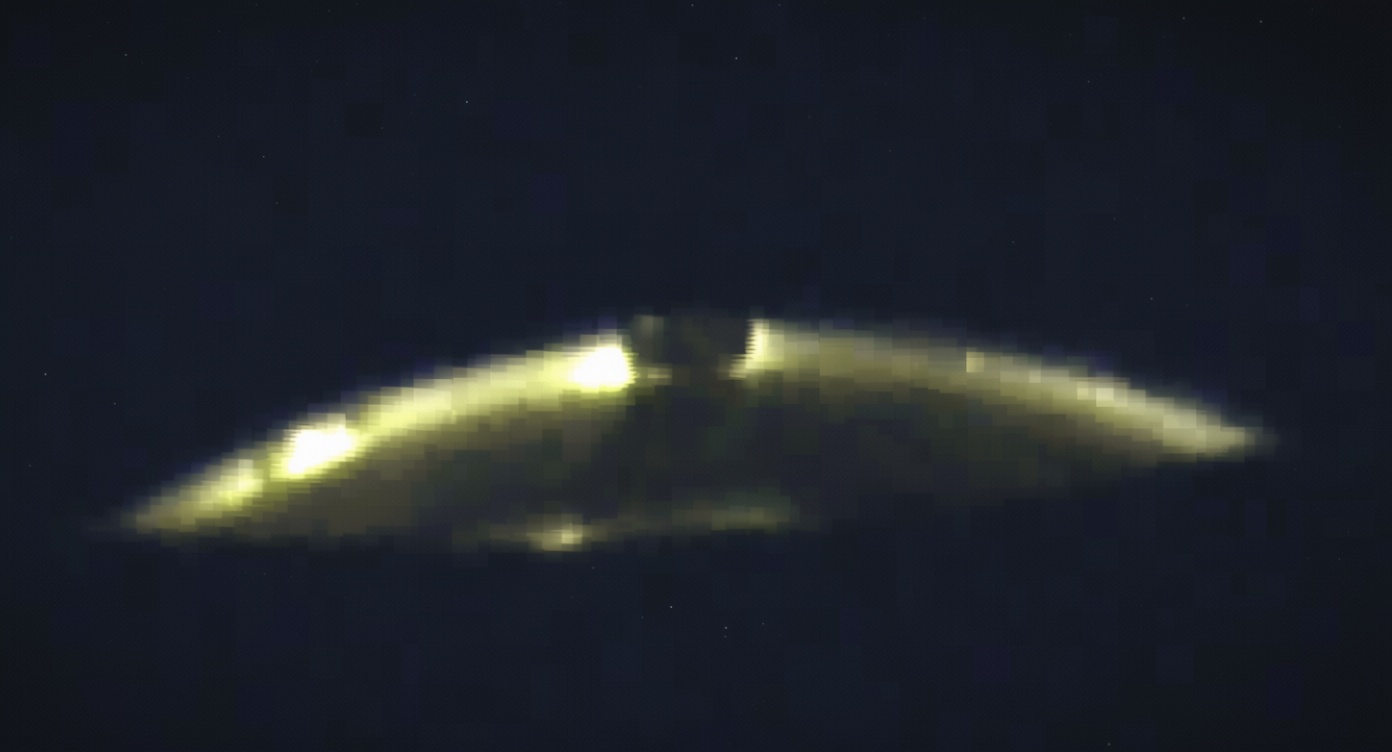
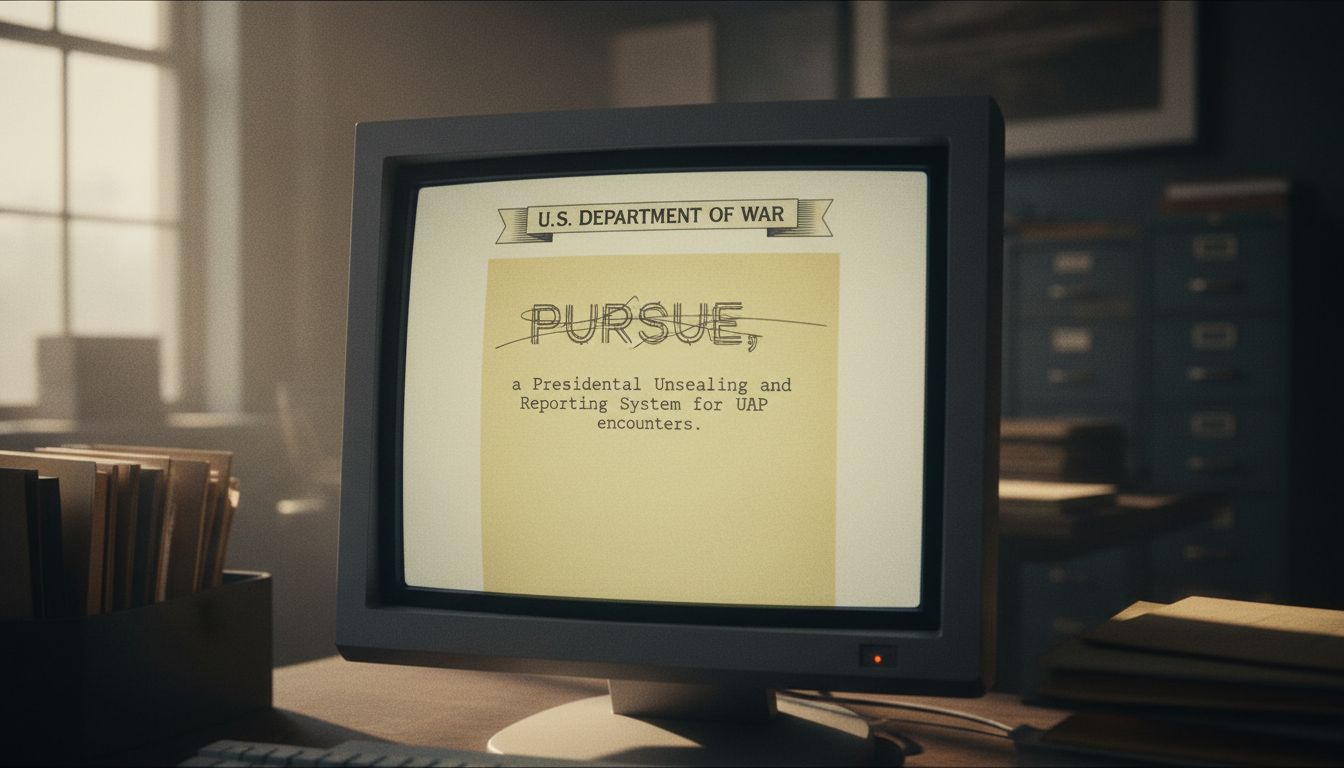
The U.S. Department of War has quietly posted a new public-facing page introducing PURSUE, short for the Presidential Unsealing and Reporting System for UAP Encounters. Based on the page title and accompanying summary, the initiative appears designed to create a more formal channel for documenting and potentially declassifying incidents involving Unidentified Anomalous Phenomena (UAP), the government’s preferred term for what many still call UFOs.
The announcement is notable less for what it says outright than for what it suggests: a move toward a structured reporting and review process for events that have long been handled inconsistently across agencies. While the page excerpt does not provide a detailed public explanation of how the system works, its very existence signals that UAP encounters are being treated as a matter of official record-keeping and classification management rather than simply as isolated anecdotes or rumors.
What the page reveals
The source page is hosted on an official .gov domain and uses standard government website language emphasizing secure access and public accountability. Its title, “Presidential Unsealing and Reporting System for UAP Encounters (PURSUE),” suggests a mechanism intended to do two things at once: capture reports of unusual encounters and create a pathway for unsealing information when appropriate. The page’s search string also references ODNI-UAP-D001, along with terms such as “USPER Narrative” and “Senior USIC Official,” indicating that the material may be tied to intelligence-community documentation or an internal narrative summary.
However, the publicly visible portion of the page provided in the source does not include operational details such as who can file reports, what qualifies as a UAP encounter under PURSUE, or what standards would be used to determine whether a case should be declassified. That lack of detail leaves open an important question: whether PURSUE is a broad public reporting tool, an interagency archival system, or a formalized process primarily for government and intelligence officials.
Why PURSUE matters
Even with limited public information, the announcement matters because it reflects the growing institutionalization of UAP oversight. For years, discussion of UAP incidents has moved between military reporting, intelligence reviews, congressional hearings, and public debate, often without a single clear process connecting those efforts. A system like PURSUE could help standardize how encounters are logged, reviewed, and preserved, potentially reducing confusion over what is reported, when it is reviewed, and how it is eventually released to the public.
That matters in a political and policy environment where transparency has become a major issue. Lawmakers, watchdog groups, and UAP researchers have repeatedly called for better documentation and more consistent disclosure practices. A formal unsealing framework would not necessarily answer the central questions surrounding UAP, but it could establish a clearer record of what the government knows, when it knew it, and how it chooses to classify that information.
The broader context
For now, the safest interpretation is that PURSUE represents an administrative and transparency-focused step, not a claim about the nature of UAP themselves. The page does not assert that any particular incident involved extraterrestrial craft or exotic technology. Instead, it points to a government effort to manage sensitive encounter reports in a more disciplined way, with possible implications for both public disclosure and historical record.
As the page develops or additional documents are released, observers will likely watch for several key details: who has reporting authority, whether the system covers military and civilian encounters, and how decisions about unsealing are made. Until then, PURSUE stands as a sign that the U.S. government continues to build formal infrastructure around one of the most closely watched and contested topics in modern public policy.