Overview
The U.S. Department of War has published a new public-facing page for the Presidential Unsealing and Reporting System for UAP Encounters (PURSUE), a move that appears to formalize at least one channel for the handling of unidentified anomalous phenomena disclosures. The appearance of the page is notable in itself: it places a named UAP-related program on an official .gov website, suggesting that the department is preparing, or at minimum publicly acknowledging, a structured mechanism for reporting and potentially archiving such encounters.
At the same time, the page offers very little for the public to examine. The listing contains the program title and source attribution, but no substantive explanation of the system’s purpose, jurisdiction, submission process, or oversight structure. That lack of detail leaves open key questions about whether PURSUE is intended as an intake portal, an internal records system, a public disclosure archive, or some combination of the three.
What the page shows
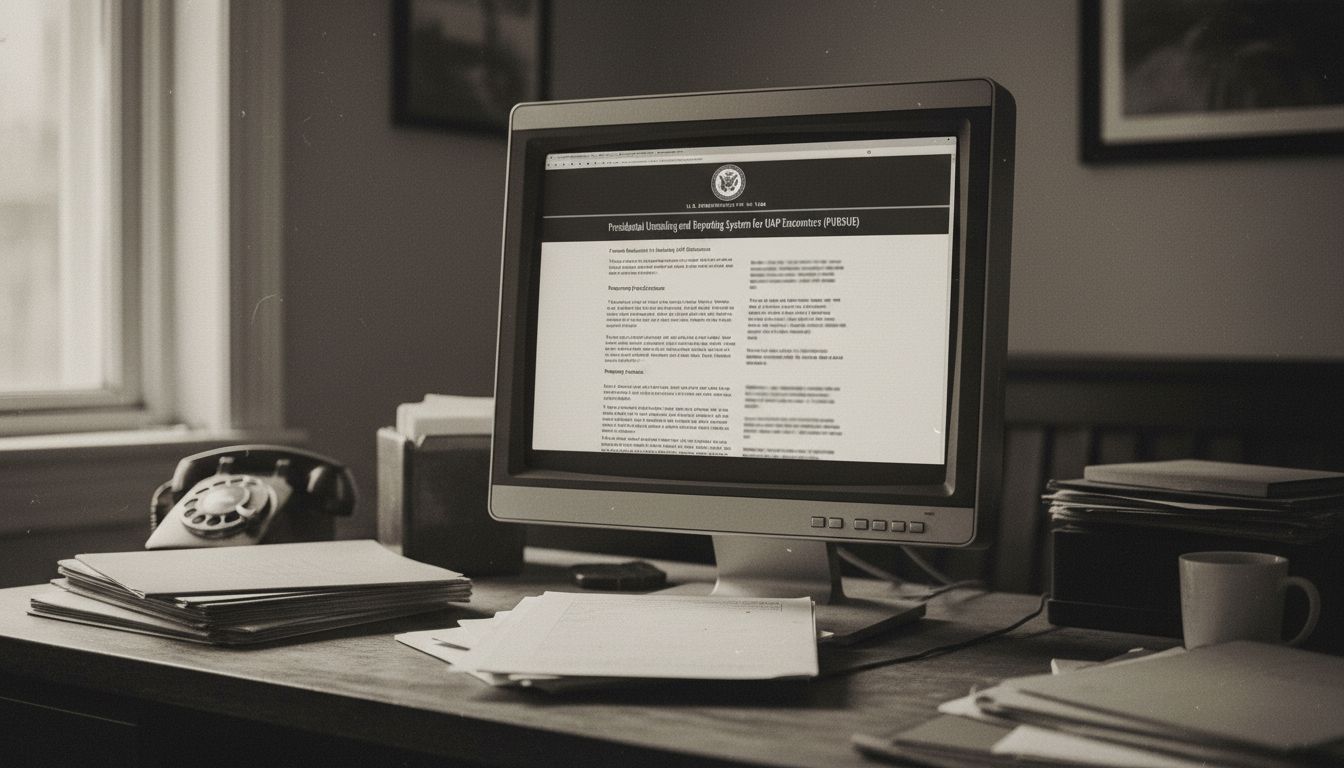
The source page itself is sparse. Beyond the title “Presidential Unsealing and Reporting System for UAP Encounters (PURSUE)”, the visible content is largely standard government website material, including official-site security language and navigation elements. There are no accompanying press remarks, policy documents, FAQs, or technical descriptions to explain how the program will operate.
That limited presentation is important. In government communications, the launch of a named page often precedes fuller guidance, and in this case the absence of detail may indicate that the department is still building out the program or has chosen to make the name public before releasing the operational framework. For observers of UAP policy, the page’s existence may be more significant than its current content, because it suggests the issue has reached a level of bureaucratic organization that warrants a formal label and dedicated web presence.
Why it matters
UAP reporting has long been fragmented across military, intelligence, and civilian channels, with much of the public debate centered on how encounters are documented and whether information is ultimately shared. A system labeled PURSUE implies an attempt to create a clearer pathway for disclosure or reporting, even if the public has not yet been told how that pathway works. If the program is meant to facilitate “unsealing,” its name also raises questions about whether it could eventually support declassification or structured release of records connected to UAP sightings.
For now, however, the evidence stops at the page itself. There is no confirmation on the site of who may file reports, what kinds of encounters qualify, or whether the program is aimed at service members, federal agencies, or the public. That ambiguity means the listing should be read as an early signal rather than a completed policy rollout.
Context and outlook
The publication of PURSUE on an official government platform adds to the broader trend of UAP issues moving from the margins of speculation into the language of administration and recordkeeping. Even without details, the page suggests that the department sees value in giving the topic a formal structure. Whether that structure becomes a meaningful reporting system, a disclosure process, or simply a placeholder for future policy remains to be seen.
For now, the public record is clear on one point: PURSUE exists as a named government initiative, but its scope and function have not yet been explained. Until the department provides further documentation, the page stands as a quiet but notable marker of continuing institutional attention to UAP encounters.