Overview
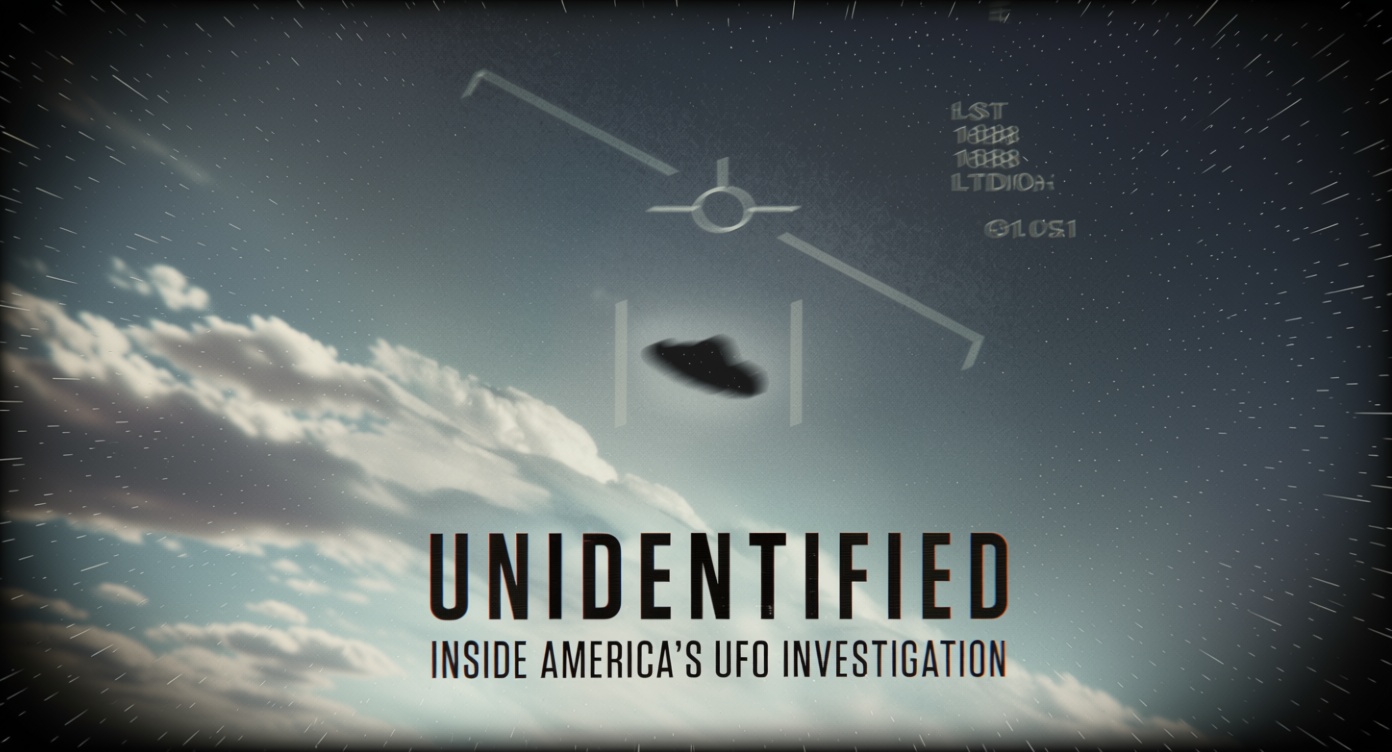
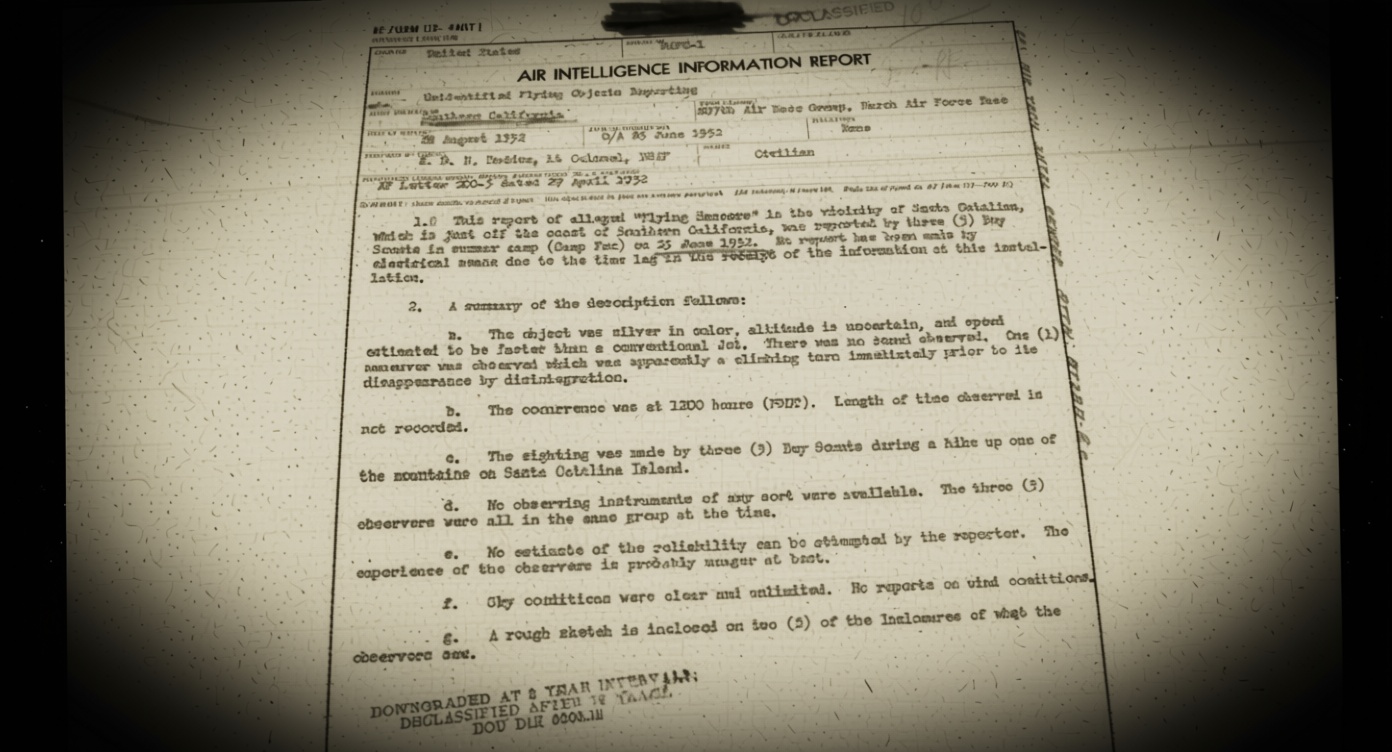
A former Defense Department official says the U.S. military has been unable to explain a pattern of UFO sightings reported over or near military bases, underscoring the lingering uncertainty surrounding unidentified anomalous phenomena, or UAP, in sensitive airspace. According to The Hill, the incidents have continued to draw attention because they involve installations tied to national security, where even brief intrusions can raise concerns about surveillance, testing, or air-safety risks. While the term “UFO” remains widely used in public discussion, officials increasingly refer to these reports as UAP to avoid assuming a non-human explanation.
What the report highlights
The central takeaway from the report is not that the objects have been identified, but that they have not been conclusively explained. The former official described the military as stumped by repeated sightings, reflecting a problem that has persisted despite improved reporting systems and greater interest from Congress and the public. In a defense environment where most unusual activity can usually be tracked to a drone, aircraft, weather anomaly, or electronic interference, unresolved observations over bases stand out precisely because they remain unresolved.
That uncertainty matters because military sites are among the most heavily monitored places in the country. If objects are appearing in restricted or controlled airspace and cannot be matched to known systems, the question is not only what they are, but how they are getting there and why they are not being identified quickly. Even when sightings turn out to have prosaic explanations, the lack of immediate answers can create operational concerns for pilots, security personnel, and commanders responsible for protecting personnel and equipment.
National security and transparency concerns
The issue also touches on a long-running tension between transparency and classification. In recent years, Pentagon officials have acknowledged that some UAP reports remain unresolved, while insisting that the government is trying to improve detection, reporting, and analysis. But incidents near bases often attract public attention because they suggest a gap between what the military can observe and what it can explain in real time. That gap has fueled calls for clearer reporting, better sensor data, and more consistent public disclosure when cases are reviewed.
At the same time, officials have cautioned against jumping to dramatic conclusions. Many sightings later turn out to be misidentifications, sensor artifacts, or ordinary aircraft viewed under unusual conditions. Still, the recurring theme in this case is that a meaningful number of incidents remain unexplained, and that alone is enough to keep the issue alive in defense circles.
Broader context
The renewed attention comes amid a broader shift in how Washington discusses unidentified aerial events. What was once dismissed as fringe speculation is now treated as a legitimate issue of airspace safety and intelligence analysis. Lawmakers have pushed for more reporting from military personnel, and the Pentagon has established mechanisms to collect and review cases. Yet the persistence of unexplained sightings over bases suggests that even with those reforms, the government still lacks a complete picture.
For now, the report reinforces a familiar conclusion: the military may be better at documenting the strange activity than explaining it. Until more evidence is available, these incidents are likely to remain in the gray area between security concern and scientific mystery.