Overview
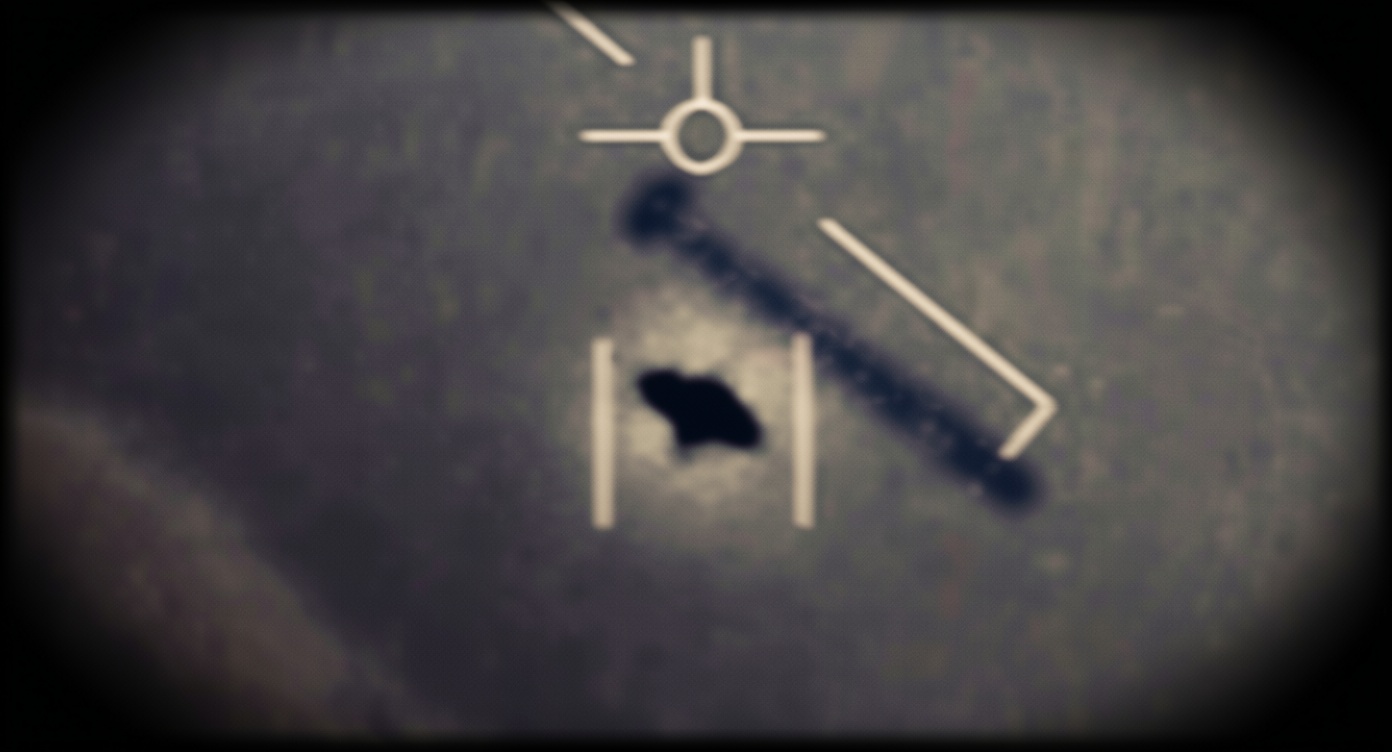
A routine U.S. Navy training mission near California has drawn renewed attention as one of the most widely discussed cases in recent UFO and UAP circles, according to reporting that has kept the incident in public conversation well beyond the original flight. While details of the encounter remain limited in the source material, the case continues to be cited as an example of how an otherwise standard military operation can become the focus of long-running debate when pilots or crews encounter unexplained activity.
The event stands out not because it involved a major operational disruption, but because it occurred in the highly controlled setting of a Navy training mission. That context has helped fuel interest among UAP researchers and aviation observers, who often point to military encounters as especially important because they involve trained personnel, advanced sensors, and disciplined reporting procedures. In cases like this, even a brief or ambiguous sighting can take on outsized significance if it cannot be readily explained.
Why the case gained traction
Reports describing the mission frame it as a routine flight that unexpectedly became a subject of UFO discussion, echoing a broader pattern seen in several well-known military cases over the past decade. When unexplained objects or behaviors appear near defense aircraft, the resulting questions tend to move quickly from anecdotal curiosity to policy discussion: What was seen? Was it recorded on cockpit systems? Was there radar confirmation? And if no clear explanation emerged, why not?
That combination of uncertainty and military credibility is part of what keeps incidents like this in circulation. Unlike civilian sightings, military cases often carry an added layer of trust because they involve personnel trained to identify aircraft, atmospheric effects, and navigational anomalies. At the same time, the absence of a confirmed identification can make those same encounters more controversial, especially when later summaries or retellings leave key details unresolved.
Broader UAP context
The California training mission also fits into a larger national conversation about UAP transparency and public disclosure. Over the past several years, the U.S. government has acknowledged that some aerial incidents deserve formal study, while also emphasizing that many reports can be attributed to conventional causes. That balanced approach has not eliminated public interest; if anything, it has reinforced attention on the cases that remain unexplained after review.
For UFO advocates, the persistence of this Navy incident in public discussion underscores a simple point: unexplained does not automatically mean extraordinary, but it does mean worthy of scrutiny. For skeptics, the lack of a definitive explanation is not proof of anything unusual, only a reminder that incomplete data often leaves room for speculation. In either case, the fact that the story continues to resurface suggests that military UAP cases remain among the most compelling in the field.
Continuing interest
Even without sweeping claims, the case has become part of the modern UFO archive because it reflects a familiar and important tension: the gap between what is observed and what can be conclusively identified. As long as official information remains limited or ambiguous, incidents like this are likely to remain fixtures in UAP discussions, referenced as examples of how quickly a standard military sortie can become a lasting mystery.