Overview
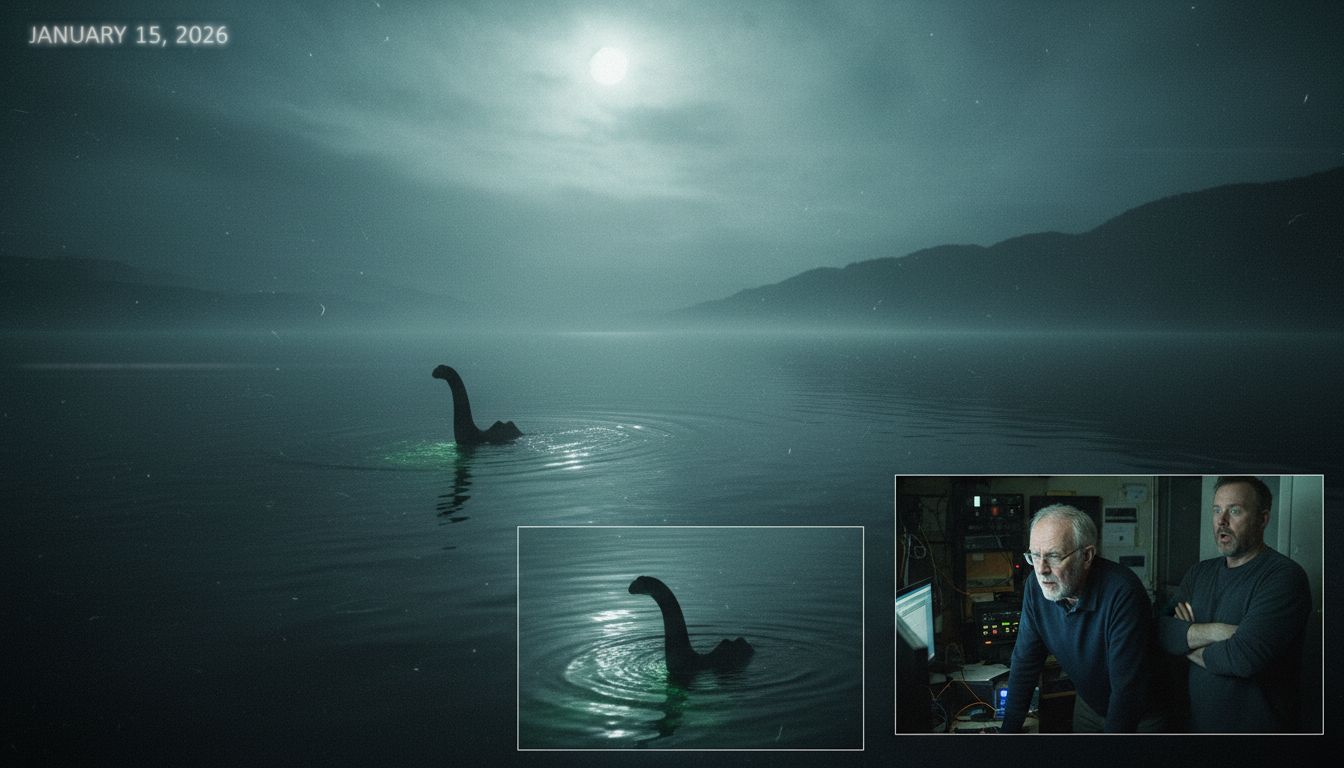
A live‑stream webcam positioned on the shores of Loch Ness recorded a brief, unverified movement that some viewers are calling the first Nessie sighting of 2026. The clip was flagged by long‑time Loch Ness observer Eoin O’Faodhagain, who posted the footage to the popular paranormal radio program Coast to Coast AM on Monday. While the image shows only a fleeting silhouette against the water’s surface, the incident has already sparked discussion among researchers, skeptics, and local historians who monitor the lake’s extensive surveillance network.
The Capture
The webcam, part of a government‑funded monitoring system installed in 2019 to study water levels and wildlife, streams continuously at 30‑second intervals. At 02:14 GMT on 9 March, the camera recorded a dark shape moving vertically near the lake’s centre, lasting roughly eight seconds before disappearing behind a wave. The footage, posted in its original resolution, shows no identifiable features beyond a faint outline. Technical analyst Dr. Lena Hartwell, who reviewed the video for the British Institute of Cryptozoology, noted that “the motion is consistent with a large, buoyant object, but the lack of scale markers makes definitive identification impossible.”
Observer Background
Eoin O’Faodhagain, a resident of Inverness and a self‑described “veteran Loch Ness watcher,” has logged over 2,500 hours of observation across the lake’s northern and southern ends. In a brief interview with Coast to Coast AM host George Noory, O’Faodhagain explained his routine: “I check the public feeds every night after dinner. When something unusual appears, I pause the stream and compare it to known wildlife patterns.” He added that he has previously reported sightings of otters, large birds, and surface disturbances, but this particular event stood out because of its vertical ascent, a motion rarely documented in the lake’s recorded history.
Skeptic Turned Advocate
The sighting also resonated with Gary Campbell, a former skeptic who spent a decade debunking Loch Ness claims. After witnessing a similar anomaly on a private camera in 2022, Campbell publicly reversed his stance, stating, “The evidence may not be conclusive, but the consistency of these visual cues compelled me to reconsider.” He subsequently founded the Official Loch Ness Monster Sightings Register, a crowdsourced database that logs every reported visual, auditory, or radar anomaly. Campbell’s organization now lists the March 2026 webcam event as entry #7,842, noting the source, timestamp, and a preliminary confidence rating of “moderate.”
Significance and Next Steps
While the video does not provide definitive proof of a cryptid, it adds to a growing body of data that researchers are beginning to treat more systematically. The Loch Ness Authority has announced plans to upgrade the existing webcam array with higher‑resolution lenses and calibrated distance markers, aiming to eliminate ambiguity in future recordings. Meanwhile, both O’Faodhagain and Campbell encourage the public to submit any additional footage or eyewitness accounts to the Sightings Register, emphasizing that “transparent, verifiable data is the only path toward a credible resolution,” according to Campbell. Until more conclusive evidence emerges, the March 2026 clip remains a compelling, yet still unverified, piece of the enduring Loch Ness mystery.


