Overview
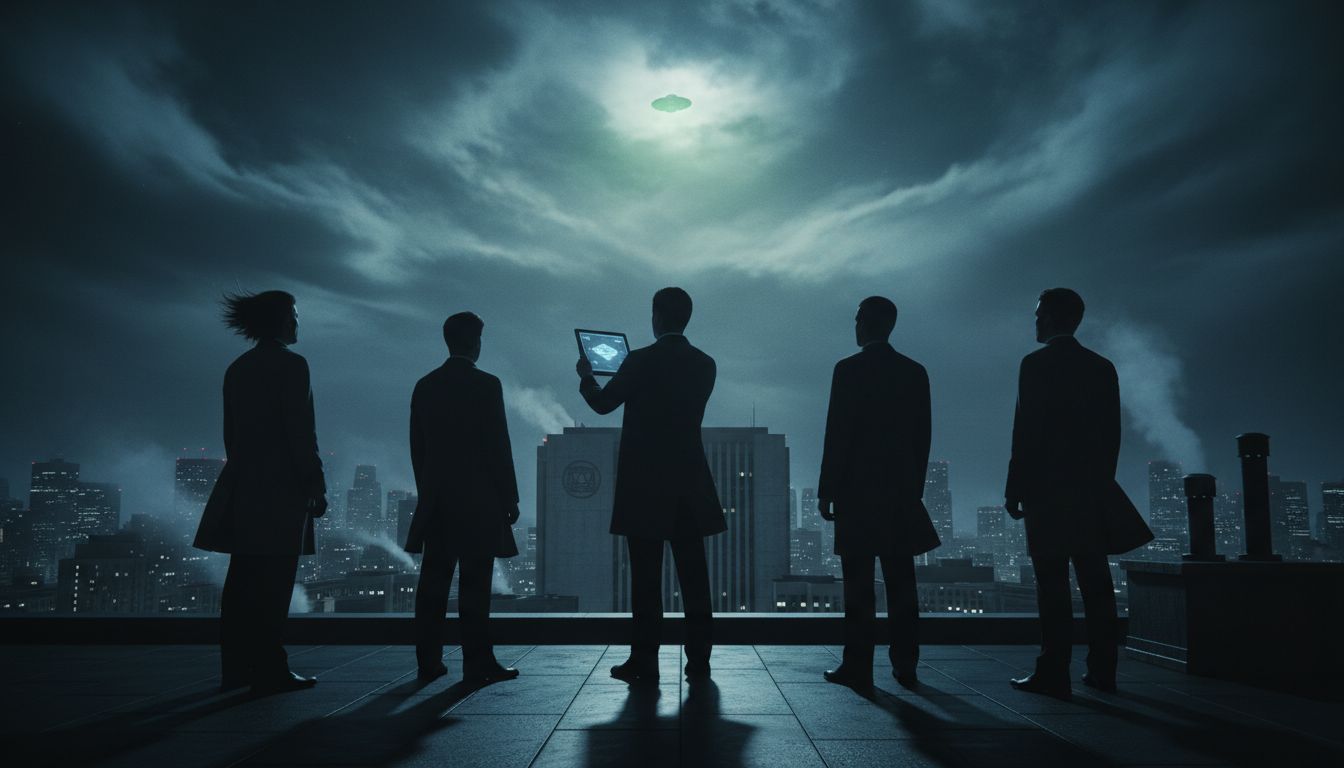
U.S. whistleblowers are intensifying pressure on the Pentagon to make authentic unidentified aerial phenomenon (UAP) footage publicly available by 2026, according to a report from the Daily Express US. The effort, described as the most coordinated push for transparency on the subject in recent years, could result in the first official release of unedited, verifiable recordings that have not previously been disclosed to the public.
Background
The Department of Defense has acknowledged the existence of UAPs since 2020, when it released three short videos captured by Navy pilots that showed objects moving at speeds and with maneuverability that defied conventional explanations. Those clips—commonly known as the “Tic‑Tac,” “Gimbal,” and “GoFast” videos—were later compiled into a preliminary assessment released by the Office of the Director of National Intelligence (ODNI) in June 2021. While the assessment concluded that most sightings could be attributed to sensor errors, atmospheric phenomena, or foreign adversary technology, it left a portion of cases “unexplained.”
Since then, congressional committees have repeatedly called for greater openness. In 2022, the Senate Armed Services Committee approved a bipartisan amendment requiring the Defense Department to submit a comprehensive UAP report to Congress annually. Yet, the raw footage that underpins many of the agency’s conclusions remains classified, fueling speculation and prompting a growing number of insiders to seek legal avenues for disclosure.
Whistleblower Claims
The whistleblowers cited in the Daily Express story are former and current service members, intelligence analysts, and civilian contractors who assert that the Pentagon possesses additional, high‑resolution recordings of UAP encounters that have never been released. One senior contractor, speaking on condition of anonymity, told reporters, “We have video from multiple sensor platforms—radar, infrared, and optical—that shows objects performing maneuvers well beyond the capabilities of any known aircraft. The data exists, but it is locked behind classification barriers.”
Another source, a former Navy aviator, said that “the chain of command has been reluctant to declassify this material because of concerns about national security and potential public panic, but the legal and ethical obligations to the American people are mounting.” The whistleblowers are reportedly preparing a whistleblower complaint under the Intelligence Community Whistleblower Protection Act, which would compel the Office of the Inspector General (OIG) to investigate the alleged withholding of material evidence.
Pentagon Response
The Department of Defense has not commented directly on the specific allegations, citing standard policy on ongoing investigations. A spokesperson for the UAP Task Force, however, reaffirmed the agency’s commitment to “transparency consistent with protecting national security interests.” In a recent congressional hearing, Pentagon officials emphasized that any release of classified material would undergo a rigorous de‑classification review to strip out sensitive details related to sensor technology, collection methods, and source protection.
Legal experts note that the whistleblowers’ approach could force the Pentagon’s hand. “If a formal complaint reaches the OIG and is deemed credible, the department may be obligated to provide at least a redacted version of the footage,” said Dr. Emily Rivera, a professor of national security law at Georgetown University. “The 2026 deadline mentioned in the report aligns with the timeline set by the 2022 Senate amendment for a full UAP inventory to be submitted to Congress.”
Implications
Should authentic UAP footage be released, it would mark a watershed moment for both the scientific community and public discourse. Researchers at institutions such as the SETI Institute have long argued that access to raw sensor data is essential for rigorous analysis, while skeptics caution that without proper contextual information, the footage could be misinterpreted. Moreover, a public unveiling could influence policy discussions on aerospace safety, airspace regulation, and potential foreign adversary capabilities.
The push for disclosure also underscores a broader cultural shift within the intelligence and defense establishments, where former secrecy norms are being challenged by a new generation of whistleblowers and a public increasingly demanding openness. As the 2026 deadline approaches, lawmakers, watchdog groups, and the media will be watching closely to see whether the Pentagon will comply with the call for genuine, unaltered evidence of unidentified aerial phenomena.


