Overview
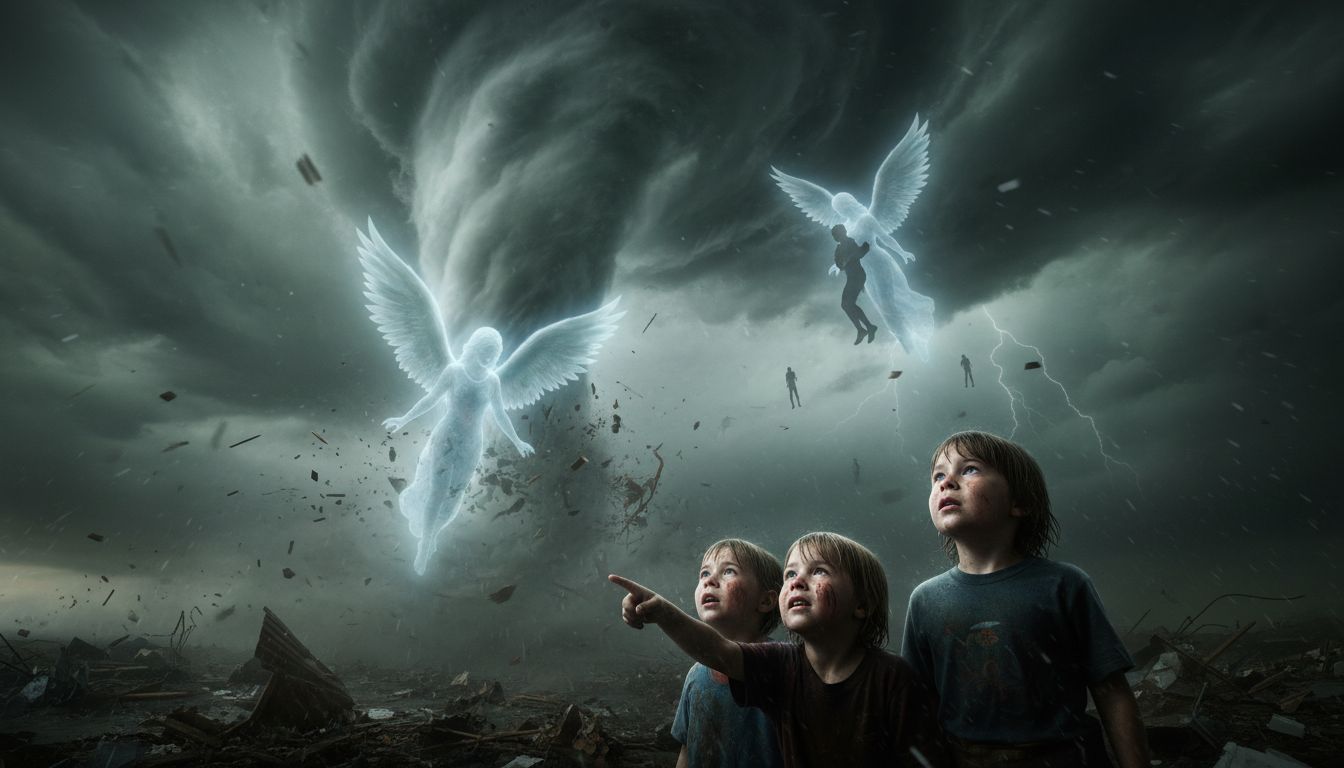
In the aftermath of the May 22, 2011 EF5 tornado that devastated Joplin, Missouri, a surprising pattern emerged from the city’s child‑trauma clinics: dozens of youngsters described encountering luminous, winged figures that seemed to shield them from the storm’s fury. Referred to locally as the “Butterfly People,” these entities were portrayed as protective, glowing beings with butterfly‑like wings. The consistency of the accounts, reported across neighborhoods, schools and socioeconomic backgrounds, has prompted both media interest and scholarly inquiry into how extreme events can shape collective memory.
The Tornado’s Scope and Immediate Impact
The National Institute of Standards and Technology (NIST) documents the Joplin tornado as one of the deadliest in U.S. history since 1950, carving a 22‑mile path, claiming 161 lives, injuring more than 1,000 people, and destroying over 7,000 homes and businesses. The disaster inflicted roughly $3 billion in damages, prompting federal and state agencies to establish the Joplin Child Trauma Treatment Center to address the psychological fallout among the city’s youngest residents. Within weeks, therapists at the center began noting recurring narratives that went beyond typical trauma symptoms.
Children’s Consistent Descriptions
Therapists interviewed by the St. Louis Post‑Dispatch reported that children of varied ages and backgrounds described seeing “white lights” and “butterfly‑like beings” hovering above them as the tornado approached. One 11‑year‑old recounted, “I thought a big angel was there, but it looked more like a butterfly with bright wings, and it kept the wind away from me.” A 14‑year‑old, severely injured in the storm, later said, “After the tornado, real butterflies kept visiting me while I healed.” In each account, the figures were described as winged, luminous, and protective, and the children claimed they emerged unharmed despite being in the tornado’s direct path.
Expert Perspectives and Possible Explanations
Psychologists specializing in disaster trauma caution against drawing supernatural conclusions. Dr. Laura Mitchell, a child trauma specialist who consulted in Joplin, explained, “Extreme stress can trigger vivid visual phenomena, including hallucinatory light patterns known as phosphenes or Lilliputian hallucinations. When combined with cultural symbols of protection—angels, butterflies—these experiences become narratively coherent for children.” Neuroscientist Dr. Raj Patel added that the brain’s “fight‑or‑flight” response can produce visual aura effects, especially under intense wind and pressure changes. Folklorists also note that collective myths often surface after catastrophes, providing a shared language for processing fear and loss.
Historical Parallel and Ongoing Inquiry
The Joplin reports echo earlier unexplained mass phenomena, such as the 1518 dancing plague in Strasbourg, where hundreds claimed an uncontrollable urge to dance until collapse. Both events illustrate how extreme circumstances can give rise to shared, anomalous experiences that defy straightforward scientific categorization. Researchers at the University of Missouri are currently compiling oral histories from Joplin survivors to examine the interplay of trauma, cultural symbolism, and neuropsychology. While the “Butterfly People” narrative remains unverified by physical evidence, its persistence underscores the human need to find meaning—and sometimes protective guardians—in the face of overwhelming disaster.


