Overview
A growing body of psychological research suggests that the public’s muted reaction to recent UFO and unidentified aerial phenomenon (UAP) reports is less about the lack of evidence and more about deep‑seated cognitive and social mechanisms. In a Psychology Today column dated December 15, 2025, clinical psychologist Jennice Vilhauer argues that biases such as normalcy bias, motivated reasoning, and collective denial shape the way individuals and institutions process “uncomfortable truths.” Her analysis aligns with scholars from evolutionary biology, eschatology and religious studies who contend that humanity’s evolutionary wiring and cultural narratives predispose us to dismiss or rationalize anomalous sky‑borne events.
Psychological Insights
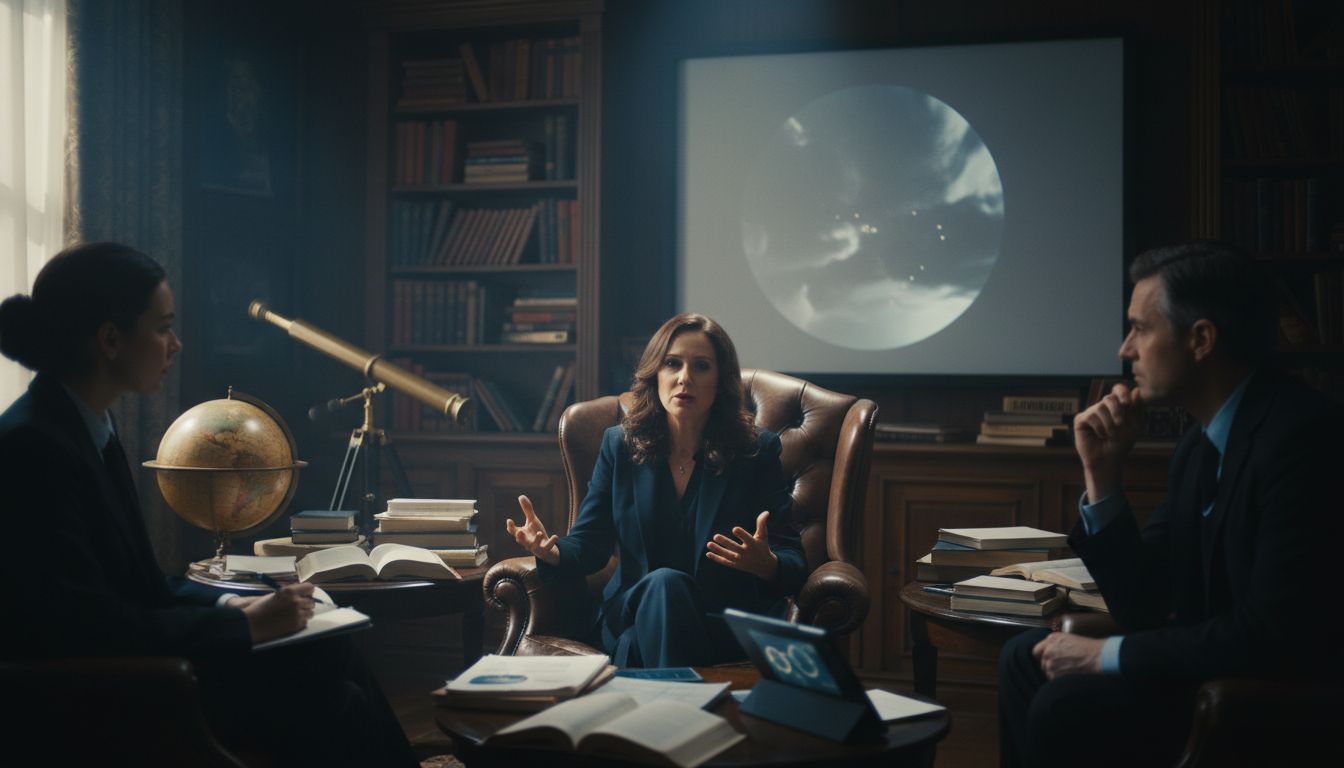
Vilhauer points to normalcy bias—the tendency to underestimate the likelihood of a disaster or extraordinary event—as a primary barrier to open discussion. “When people encounter reports of strange drones or lights, the immediate instinct is to file them away as weather balloons, drones, or hoaxes, because that preserves a sense of safety,” she wrote. She also highlights motivated reasoning, where existing worldviews filter new information: “If acknowledging extraterrestrial intelligence threatens a person’s religious or scientific worldview, they will unconsciously discount the data.”
Supporting these claims, Dr. Samuel Ortega, an evolutionary psychologist at the University of Arizona, notes that humans have evolved to prioritize immediate, tangible threats over abstract, low‑probability risks. “Our ancestors survived by reacting quickly to predators, not by contemplating the existence of intelligent life beyond Earth,” Ortega told the journal. Similarly, theologian Sister Maria Elena Ruiz, a professor of eschatology at the Pontifical Gregorian University, observes that many religious traditions frame humanity’s destiny within a terrestrial narrative, making the notion of alien contact appear “theologically dissonant.”
Ongoing Sightings in Sweetwater County
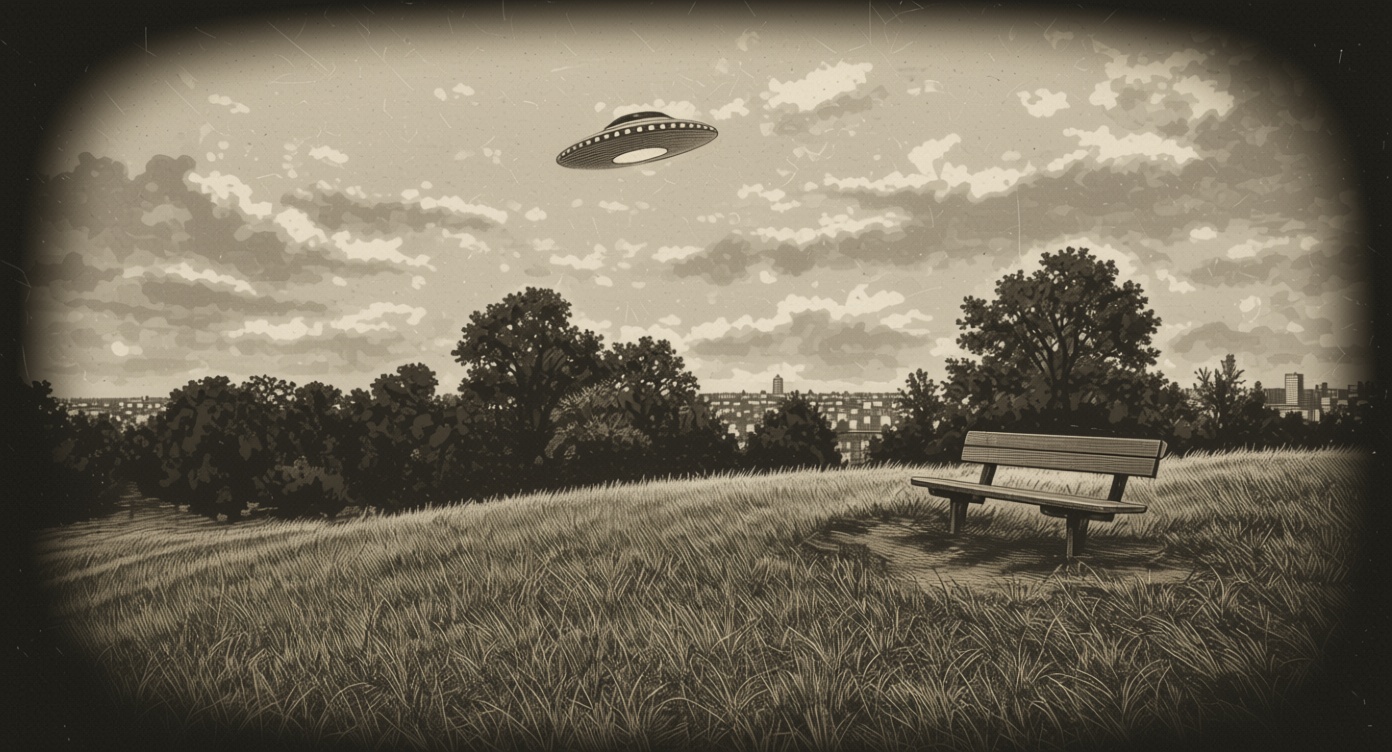
While the psychological literature explains indifference, the phenomenon itself remains observable. Since early 2025, residents of Sweetwater County, Wyoming, have reported a series of nocturnal aerial objects described as “silent, hovering drones” that emit a faint blue glow. Local law‑enforcement and the county sheriff’s office have repeatedly classified the incidents as “unidentified but non‑threatening,” citing lack of immediate danger. Sheriff Tom Baker remarked at a town hall in August, “We’re seeing more of these lights, but there’s no evidence they’re hostile or pose a risk to public safety.”
Critics argue that such official statements contribute to a normalization of anomalous sightings, effectively sidelining public curiosity. “When authorities label these events as routine, it discourages citizens from reporting or investigating further,” says Dr. Lila Patel, a sociologist at the University of Colorado who has been tracking UAP reports in the Mountain West. Patel’s recent survey indicates that 68 % of Sweetwater residents feel “under‑informed” about the investigations, reinforcing the psychological barriers identified by Vilhauer.
Institutional Calls for Openness
The quiet handling of Sweetwater’s drones has sparked calls for broader dialogue, notably from religious leaders seeking to reconcile scientific curiosity with theological doctrine. In a recent pastoral letter, Bishop Michael O’Connor of the Catholic Diocese of Cheyenne urged the Church to “engage earnestly with the scientific community on the subject of unidentified aerial phenomena,” emphasizing that “faith and reason are not mutually exclusive.” The bishop’s stance mirrors a growing movement within the Catholic hierarchy to address contemporary scientific questions, echoing the Vatican’s 2023 symposium on astrobiology.
Advocates argue that transparent discussion could mitigate the psychological defenses Vilhauer describes. “When institutions openly acknowledge uncertainty, it reduces the perceived threat to worldviews and invites constructive inquiry,” notes Sister Ruiz. Conversely, some policymakers remain cautious, citing national security concerns and the need for classified intelligence assessments.
Outlook
The convergence of psychological research, ongoing sightings, and institutional responses suggests that the conversation about UFOs/UAPs is poised to evolve from marginal curiosity to a more structured public discourse. As Vilhauer concludes, “Understanding the mental shortcuts that keep us silent is the first step toward a society that can responsibly grapple with the unknown.” Whether Sweetwater County’s glowing drones will catalyze that shift remains uncertain, but the growing willingness of academic, law‑enforcement, and religious voices to speak openly marks a notable departure from the entrenched silence of previous decades.