Overview
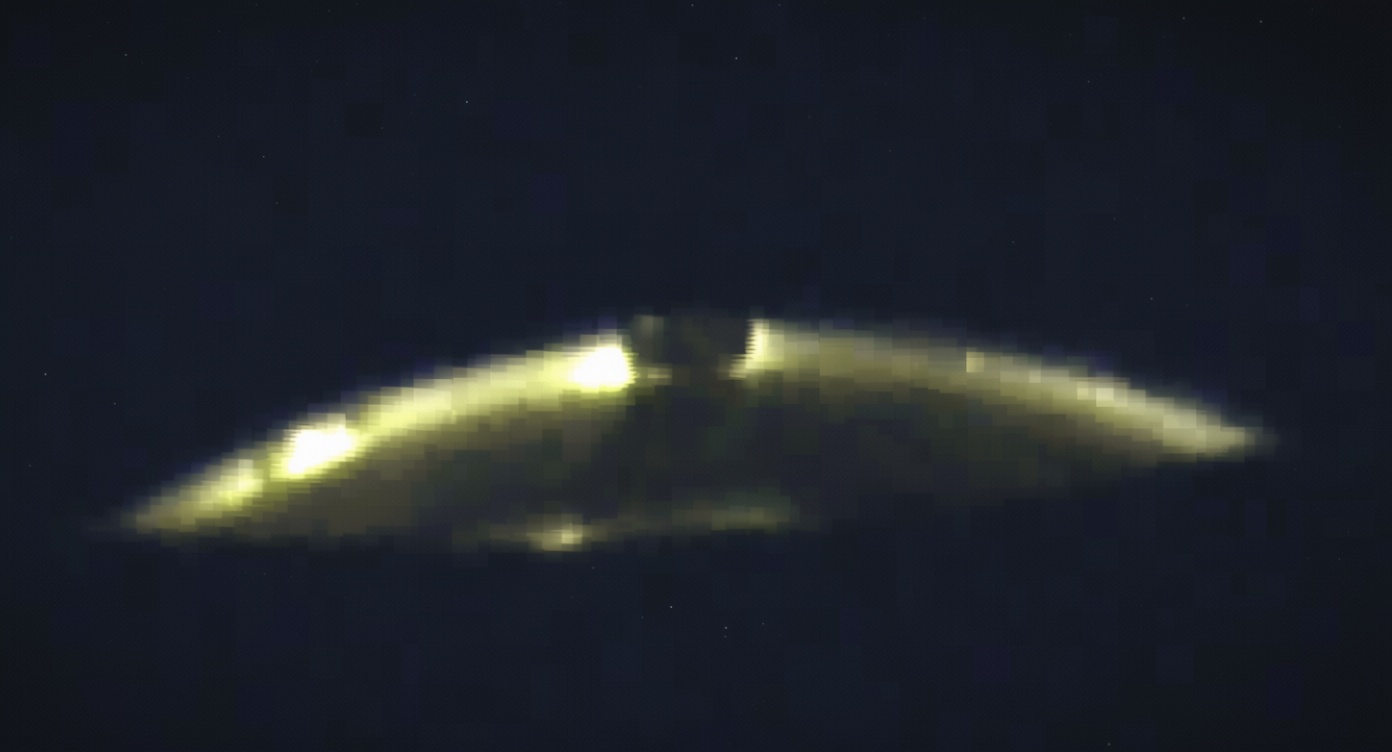
The Trump administration’s unusually public rollout of UAP, or UFO, records is being framed by officials as a sweeping act of transparency, but critics say the effort may serve a broader political purpose. Last month, the Department of Defense launched a government portal dedicated to releasing declassified files on Unidentified Anomalous Phenomena, giving the public access to videos, reports, and eyewitness accounts that range from infrared sensor footage near nuclear facilities to Cold War-era descriptions of rotating discs in the sky. Defense Secretary Pete Hegseth described the initiative as an “earnest commitment to unprecedented transparency,” while President Donald Trump promoted it in characteristically loose terms, telling followers to let “the people decide for themselves, ‘WHAT THE HELL IS GOING ON?’”
Transparency, or Information Strategy?
The release has been celebrated by supporters as part of a broader disclosure push that also includes files tied to John F. Kennedy and Martin Luther King Jr. According to proponents, opening government archives is simply what accountability should look like in a democratic system: more information, more trust, and a better-informed public. But The Bulwark argues that this model of transparency maximalism rests on a shaky assumption — that ordinary citizens can reliably interpret highly technical, fragmented, and incomplete national-security material without context. In this view, the administration’s information campaign is not just about disclosure; it is also about shaping public perception.
What the Public Received
The first two UAP releases reportedly included more than 200 files, drawn from a mix of military sensors, agency records, and decades-old reports. Some of the most attention-grabbing material includes videos of spherical objects moving through clouds, first-hand testimony from intelligence officers describing orbs splitting in midair, and historical documents that remain unresolved by government investigators. The key point, however, is that the files were released raw, without the interpretive guides, scientific explanations, or contextual summaries that might help the public distinguish between atmospheric phenomena, sensor anomalies, and truly unexplained events. The government’s own UAP investigative office, AARO, has acknowledged that some of the footage remains unresolved — which, according to critics, makes the release less a conclusion than an invitation to speculate.
Public Reaction and Political Motives
That ambiguity appears to be part of the point. By releasing material that experts themselves cannot fully explain, the administration places the burden of interpretation on the public — and on social media, where such material can quickly become a playground for theories, misinformation, and viral content. The article suggests that this dynamic may be intentional: a way to demonstrate openness while also controlling the terms of the national conversation. In that reading, UFO disclosure becomes a form of political messaging, one that signals anti-secrecy credentials, redirects attention, and reinforces the administration’s image as willing to challenge old gatekeeping institutions.
The Bigger Picture
The deeper question is not whether every file on UFOs is authentic, but why now, and why in this format. The administration’s UAP push sits at the intersection of public fascination, institutional distrust, and national-security messaging. By opening the archives so broadly — and so abruptly — officials may be trying to satisfy demands for transparency while also benefiting from the confusion and spectacle that inevitably follow. Whether the result is genuine accountability or a carefully managed information flood remains unclear, but the article’s central warning is unmistakable: disclosure is not the same thing as understanding.