Overview
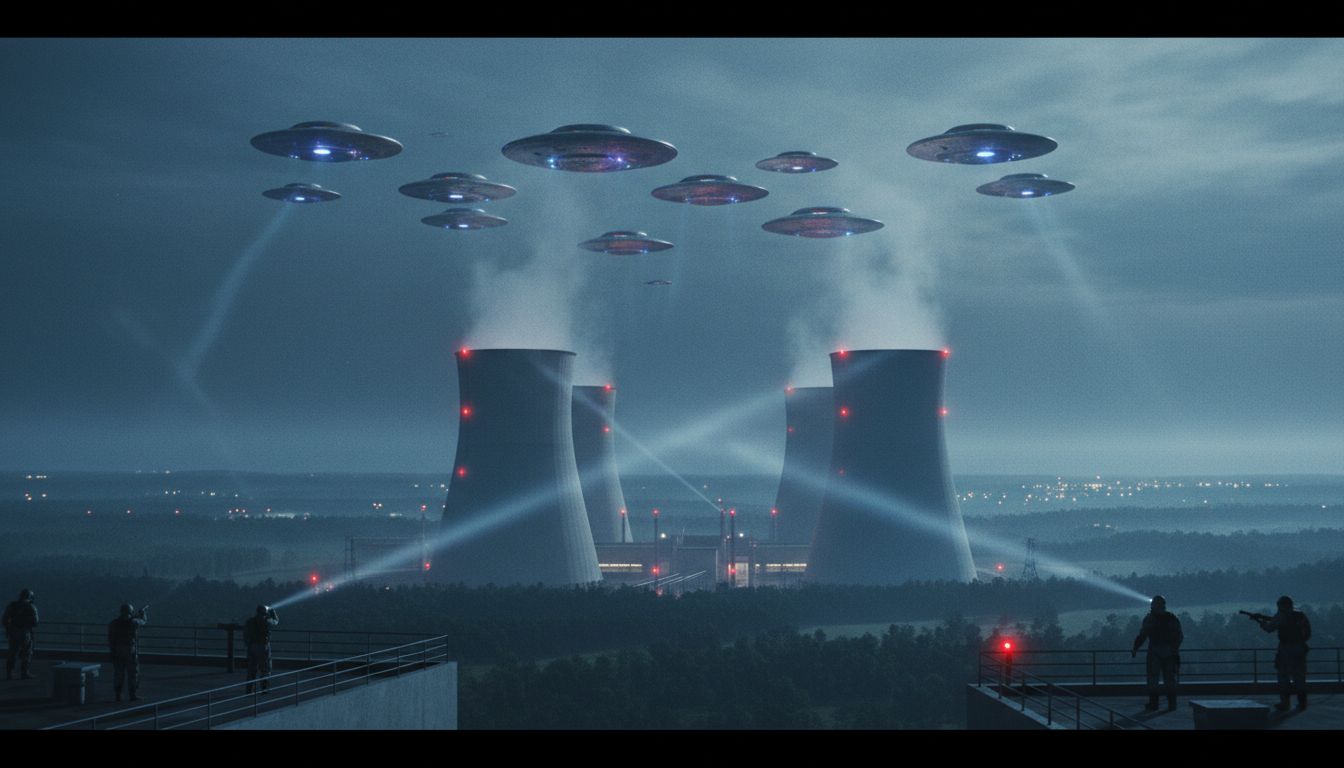
In the past several weeks, local residents and amateur sky‑watchers have reported a sharp rise in unidentified aerial phenomena (UAP) sightings within a ten‑mile radius of the Callaway Nuclear Generating Station in Missouri. The reports, logged through online databases such as the National UFO Reporting Center and corroborated by social‑media videos, show a clustering of bright, maneuverable lights that appear to hover, ascend rapidly, or change direction without visible propulsion. While the plant’s operators have not confirmed any operational anomalies, the sudden spike has drawn attention from both the public and a handful of researchers seeking to determine whether the activity is atmospheric, technological, or something else entirely.
Possible Explanations
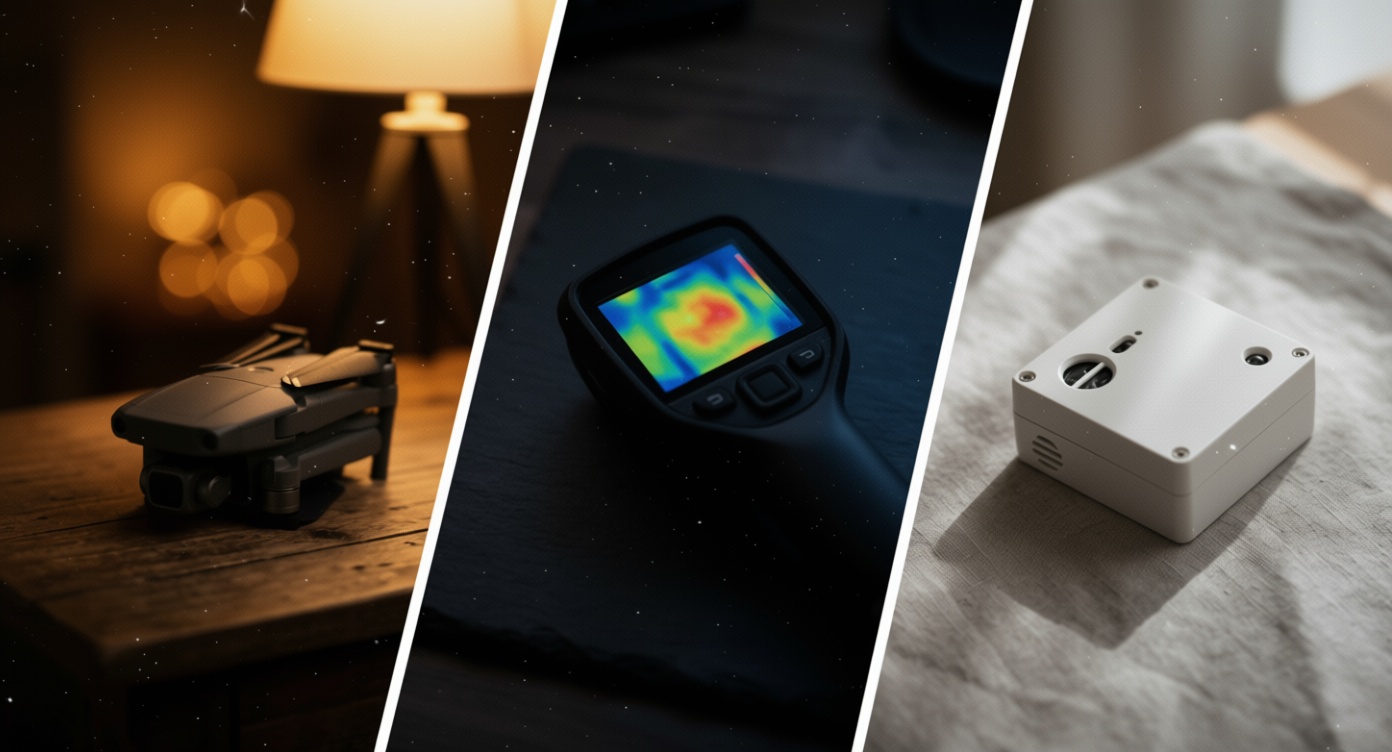
Experts caution that a surge in sightings does not automatically imply an extraordinary cause. Dr. Emily Hart, an atmospheric physicist at the University of Missouri, notes that “seasonal variations in temperature gradients can create mirage‑like effects, especially over large bodies of water or cooling ponds associated with power plants.” The plant’s cooling tower system, which releases visible steam plumes, can also interact with low‑level temperature inversions, producing luminous phenomena that may be misidentified as craft. Additionally, Lt. Col. James Whitaker, a former Air Force intelligence officer now consulting for the Department of Defense’s UAP office, points out that “increased security patrols and drone testing around critical infrastructure often lead to heightened public awareness, prompting more people to look up and report what they see.” The plant’s recent upgrade of its perimeter surveillance—including infrared cameras and autonomous drones—could inadvertently generate visual artifacts that appear anomalous to observers on the ground.
Expert Opinions
The scientific community remains divided. Dr. Hart emphasizes the need for systematic data collection: “We require calibrated photometric measurements, radar cross‑section data, and atmospheric soundings to differentiate between natural optics and potential man‑made objects.” Meanwhile, Dr. Michael Alvarez, a senior researcher at the Center for Aerospace Studies, argues that “the pattern of sightings—multiple reports within a short timeframe, consistent descriptions of rapid acceleration, and lack of radar confirmation—mirrors previous UAP clusters near high‑security sites, suggesting at least one component may involve classified testing.” He adds that “without access to classified flight logs, we can only hypothesize.”
Community Response
Local residents have expressed a mix of curiosity and concern. Karen Miller, spokesperson for the Callaway plant, stated, “The safety of our staff and the surrounding community is our top priority. To date, we have not observed any impact on plant operations, and we are cooperating with authorities to investigate these reports.” The town’s mayor, Tom Reynolds, has called for a public forum, noting that “transparent communication helps prevent misinformation and ensures that any legitimate safety issues are addressed promptly.” Meanwhile, UFO enthusiast groups have organized nightly observation sessions, encouraging participants to record timestamps, coordinates, and weather conditions to aid investigators.
Next Steps
Federal and state agencies are beginning a coordinated review. The Department of Energy’s Office of Nuclear Security has dispatched a liaison team to assess whether any aerial activity poses a risk to the plant’s critical systems. Simultaneously, the U.S. Air Force’s All‑Domain Anomaly Resolution Office (AARO) has logged the incident in its national database and plans to analyze radar and satellite data from the period of reported sightings. Researchers hope that a combined effort—merging scientific atmospheric analysis, security footage, and eyewitness accounts—will either explain the phenomenon through known physical processes or, if necessary, flag it for further classified investigation. Until definitive evidence emerges, officials urge the public to remain vigilant but avoid speculation, emphasizing that no immediate threat to public safety has been identified.