Overview
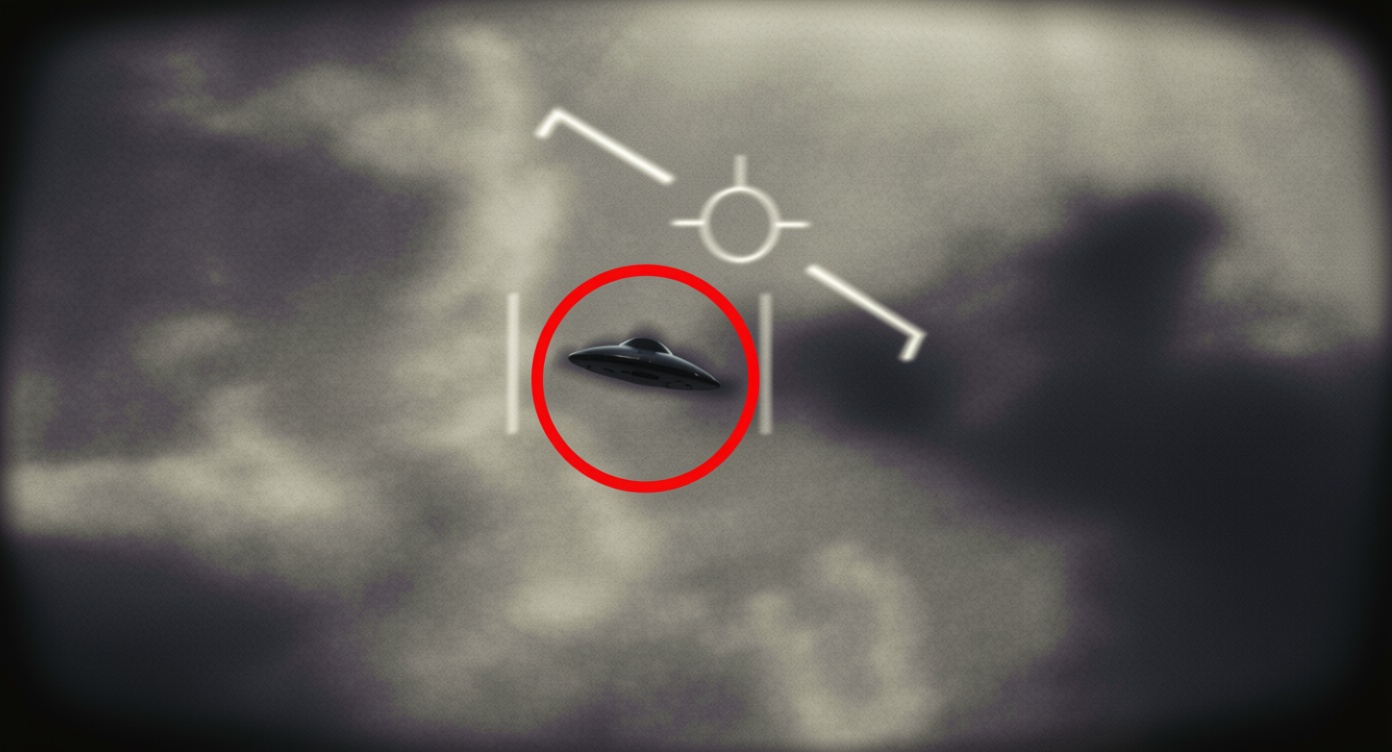
A newly revisited Cold War-era case has brought fresh attention to one of the more extraordinary radar claims in UAP history: an alleged 1967 UFO incident in which an unidentified object reportedly moved across three military radar systems at roughly 5,000 mph. The account, long kept out of public view, is now being discussed again after the witness at the center of the event broke a 59-year silence, according to the report. While the details remain tied to a historical case rather than a newly observed event, the renewed disclosure has reignited debate over what military sensors may have recorded during the height of U.S. concern about aerial intrusions.
The 1967 Radar Claim
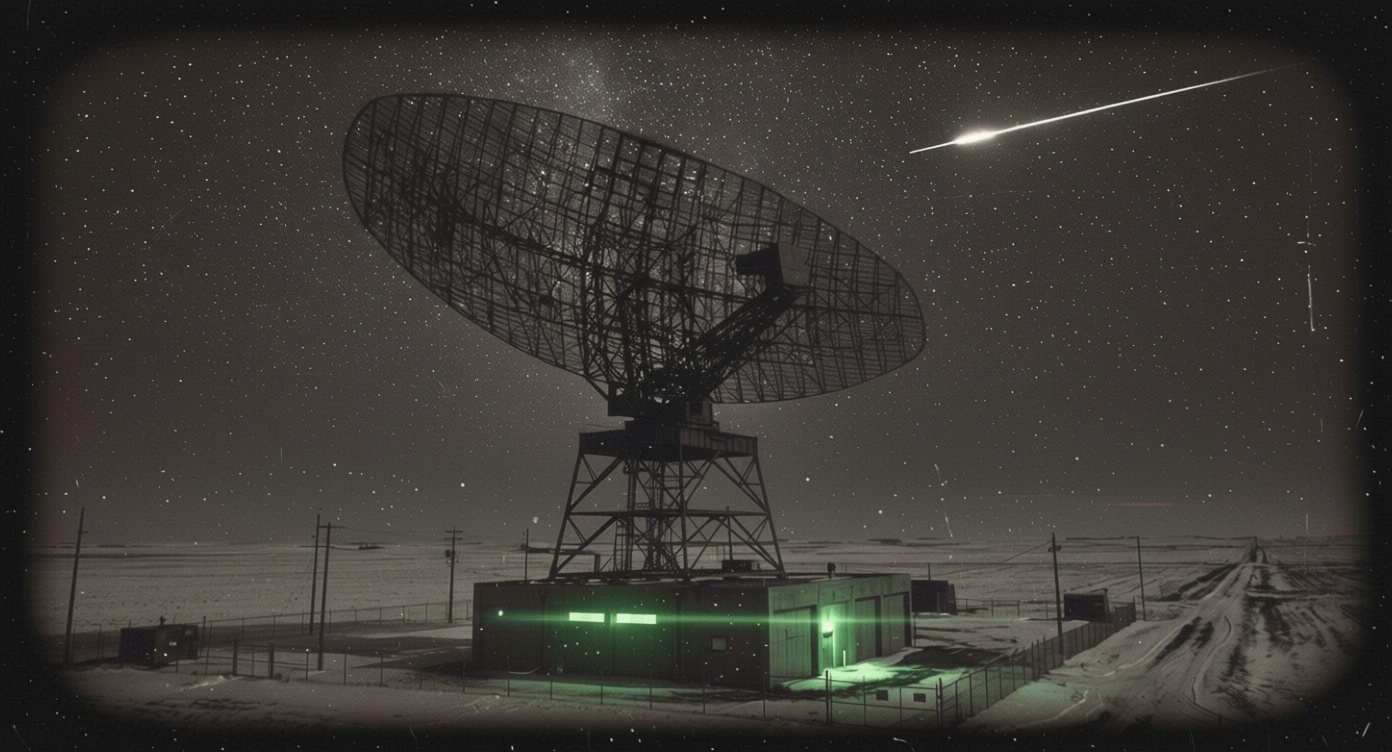
The report describes the object as crossing multiple radar installations in a way that, if accurate, would have presented an unusually strong case for a genuinely unexplained phenomenon. Radar corroboration has long been one of the most important elements in UFO and UAP investigations because it can help distinguish a visual misidentification from a sensor-verified track. In this case, the alleged speed of 5,000 mph is especially notable, as it would far exceed the performance of most aircraft in service at the time and place the object in a category that investigators would typically regard as highly anomalous. The story’s central claim is not merely that someone saw something unusual, but that military radar systems themselves reportedly tracked it.
Why the Witness’ Silence Matters
According to the report, the witness remained silent for nearly six decades before speaking publicly. That long delay is significant in itself. In the UAP field, many older cases depend on testimony that emerges years later, when memories are incomplete and supporting records may have been lost or classified. Still, the witness’ decision to come forward now has been framed by the investigator as an important development, especially because the account is being presented as credible. The investigator’s assessment gives the story added weight, though it does not by itself resolve the underlying question of what the radar systems actually observed or whether another explanation could account for the data.
National Security Implications
Beyond the technical question of speed and radar tracking, the case is being used to challenge a broader institutional claim: the Air Force’s assertion that no UFO has ever threatened national security. If an unidentified object truly traversed three military radar systems in a controlled environment, at extreme speed, it would raise obvious questions about surveillance gaps, airspace integrity and whether the event was ever adequately explained. That is why cases like this remain central to the modern UAP debate. They sit at the intersection of defense, intelligence and public transparency, where even a single credible incident can have outsized implications.
A Cautious but Significant Reopening
As with many legacy UFO stories, caution is warranted. The available account is based on a retrospective witness statement and an investigator’s interpretation, not on newly released official records. Even so, the case is notable because it combines multiple radar tracks, a dramatic performance claim and a witness who has finally chosen to speak after decades of silence. For researchers and readers alike, that makes the 1967 incident more than just another old UFO tale. It is a reminder that unresolved historical reports continue to shape today’s discussion about unexplained aerial activity and the limits of official explanations.