Overview
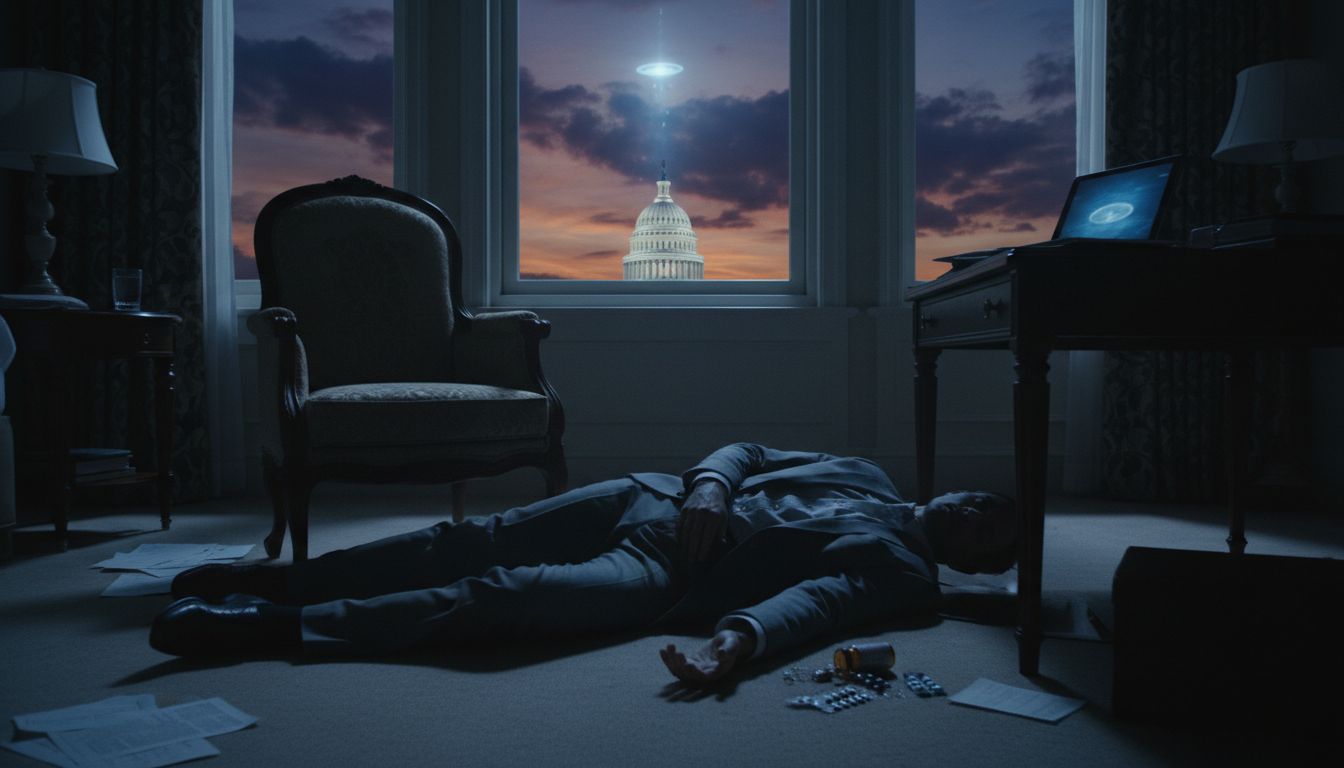
A New York‑based civilian, Matthew James Sullivan, who had agreed to appear before the House Committee on Oversight and Reform to discuss alleged evidence of unidentified aerial phenomena (UAP), died on April 23, 2026, from an accidental drug overdose, according to the New York Post. Sullivan’s death occurred just days before the committee was slated to receive testimony from several self‑identified “whistleblowers” who claim to possess classified information on UFOs. The coroner’s report, obtained by the newspaper, listed a combination of prescription opioids and illicit substances as the cause of death, ruling out foul play.
Background on the Congressional UAP Inquiry
In recent years, the U.S. government has taken a more public stance on UAP investigations. The Department of Defense’s Unidentified Aerial Phenomena Task Force was succeeded by the All‑Domain Anomaly Resolution Office (ADARO) in 2023, and the Office of the Director of National Intelligence released a comprehensive report on UAPs in June 2022. That report spurred bipartisan interest, leading to a series of hearings in 2024‑2025 where former military pilots, intelligence officers, and civilian researchers presented their observations. The current oversight hearing, scheduled for early May, is expected to focus on “non‑military” sources of information, including civilian whistleblowers who allege they have been in possession of classified video and sensor data.
Sullivan’s Intended Testimony
According to court filings and statements from Sullivan’s attorney, John R. Miller, the former aerospace engineer had been in contact with the committee’s staff since late March. Miller told reporters that Sullivan possessed “photographic and radar records that have not been released to the public” and was prepared to “provide a clear chain of custody for the materials.” He also said that Sullivan had undergone a background check and was cleared to appear under a limited‑use security clearance. The exact nature of the evidence has not been disclosed, and officials have not confirmed whether the materials would have met the evidentiary standards of the hearing.
Official Response
The House Oversight Committee issued a brief statement on Tuesday, expressing condolences to Sullivan’s family while emphasizing that “the investigation into UAPs will continue unabated.” Committee Chairman Rep. James Comer (R‑KY) said, “We appreciate Mr. Sullivan’s willingness to come forward, and we remain committed to a transparent examination of all credible data.” The Department of Defense, which has been coordinating with congressional staff on the release of declassified material, declined to comment on the specifics of Sullivan’s claims but reiterated its policy of “supporting lawful whistleblower disclosures.”
Medical examiner Dr. Lisa Hernandez confirmed that the overdose was “accidental” and noted that toxicology reports showed a mixture of fentanyl, oxycodone, and cocaine. “There is no indication of homicide or suicide,” Hernandez added, citing the absence of a note and the presence of prescription medication in Sullivan’s home.
Implications for the UAP Investigation
Sullivan’s death highlights the personal and legal challenges faced by individuals who attempt to disclose sensitive information about UAPs. While the congressional panel has already scheduled testimony from former Navy pilot Luis Elizondo and Pentagon insider David Grusch, the loss of a civilian source may affect the breadth of evidence presented. Experts such as Dr. Jacques Vallée, a veteran UFO researcher, note that “the credibility of the UAP inquiry depends not only on the data itself but on the transparency of the process and the protection of those who come forward.”
The incident also raises questions about the support structures in place for potential whistleblowers dealing with high‑stress environments and substance‑use issues. Advocacy groups, including the Whistleblower Protection Project, have called for “enhanced mental‑health resources and clear legal safeguards” for anyone providing testimony on classified or controversial topics.
As the oversight hearing proceeds, lawmakers say they will proceed with the scheduled witnesses while reviewing any additional material that may emerge. The committee’s next public session is set for May 3, 2026, where it will hear from both military and civilian contributors on the ongoing mystery of unidentified aerial phenomena.