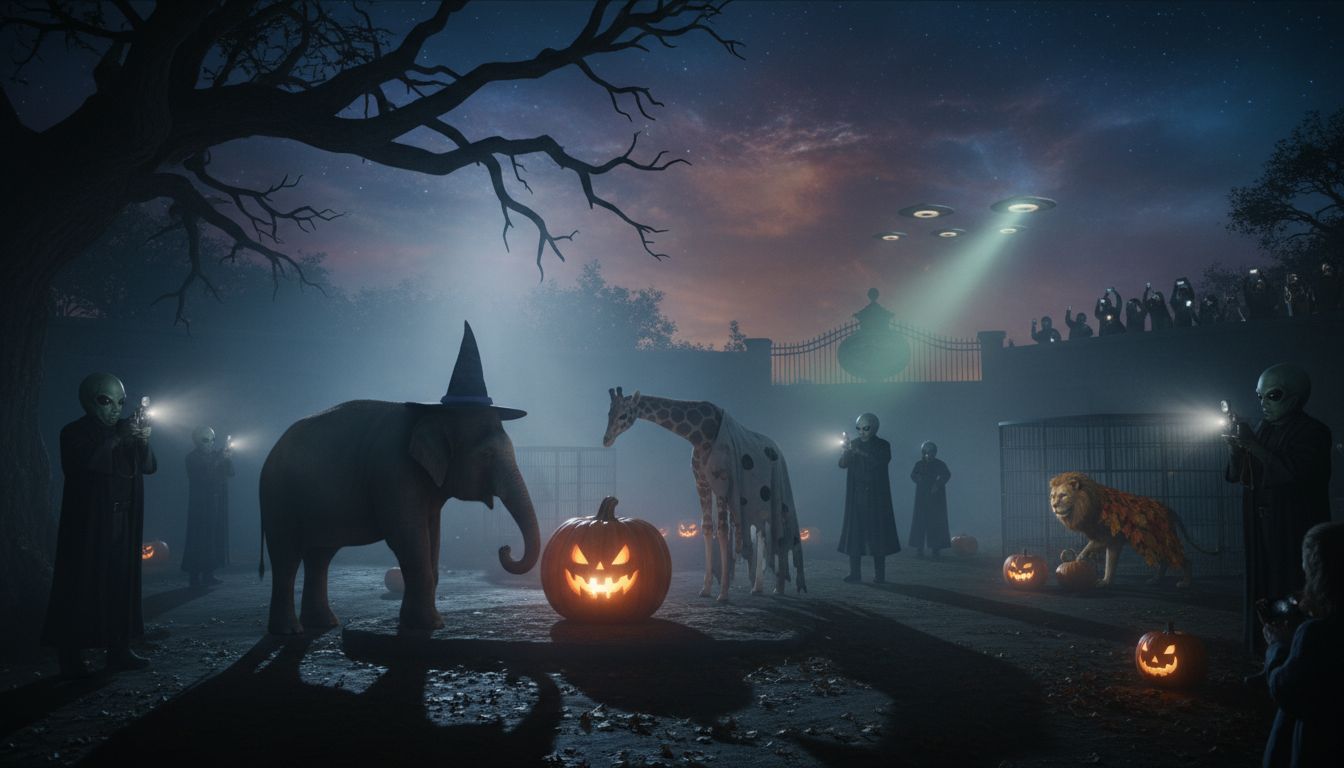
The zoo’s social‑media feed lit up on Halloween night after staff posted a series of short videos showing a variety of animals perched beside brightly carved pumpkins. In the clips, a curious red panda nudged a tiny orange gourd, a pair of meerkats peered out from a pumpkin‑shaped tunnel, and a calm llama stood beside a miniature jack‑o‑lantern. The footage, released by the zoo’s communications department on October 30, was accompanied by a brief caption noting that “the staff have been busy preparing festive treats for our animal residents and our visitors alike.”
Zoo officials said the pumpkin‑themed displays are part of an annual outreach effort designed to engage the public while reinforcing animal‑care standards. “We always look for ways to connect the community to the animals in a safe, respectful manner,” said Dr. Maya Patel, the zoo’s director of animal welfare. “The pumpkins are not food items; they’re props that give our keepers an opportunity to enrich the animals’ environments and to spark curiosity among visitors, especially families with young children.” The zoo’s animal enrichment team selected pumpkins that were free of chemicals and trimmed them to a size appropriate for each species, ensuring that no animal could ingest hazardous material.
The practice of seasonal decorations at zoos is not new, but recent years have seen a shift toward more intentional educational messaging. In a 2023 study published by the Association of Zoos & Aquariums, researchers found that themed enrichment activities—when paired with clear interpretive signage—can increase visitor retention of conservation facts by up to 30 percent. This year’s Halloween posts included brief text overlays highlighting each species’ natural habitats and dietary needs, such as a note about the red panda’s reliance on bamboo forests in the Himalayas. “We want the fun to translate into learning,” explained Emily Reyes, the zoo’s education coordinator. “When a child sees a meerkat darting through a pumpkin tunnel, it’s a memorable moment that we can build on with information about desert ecosystems and the challenges these animals face in the wild.”
Animal‑care protocols dictated that the pumpkins were introduced only after a thorough risk assessment. Keepers inspected each pumpkin for sharp edges, removed any seeds or stems that could pose choking hazards, and monitored the animals closely for signs of stress. “Our priority is always the well‑being of the animals,” emphasized senior keeper Carlos Mendoza. “If an animal shows disinterest or discomfort, we remove the prop immediately. So far, the response has been positive; the animals have investigated the objects at their own pace, which is exactly the enrichment we aim for.” The zoo also scheduled a brief “pumpkin hour” during which visitors could view the displays from a safe distance, adhering to standard distancing guidelines that have remained in place since the pandemic.
Public reaction has been overwhelmingly supportive, with the zoo’s Instagram post garnering more than 12,000 likes and dozens of comments praising the creativity and care shown by staff. Local families reported that the videos encouraged them to visit the zoo’s Halloween night event, which features additional themed activities such as a costume parade for staff and a “spooky science” demonstration for children. As the holiday season approaches, zoo officials plan to continue the tradition with other seasonal enrichment, noting that community engagement initiatives like this help sustain funding for conservation programs both locally and abroad.