Overview
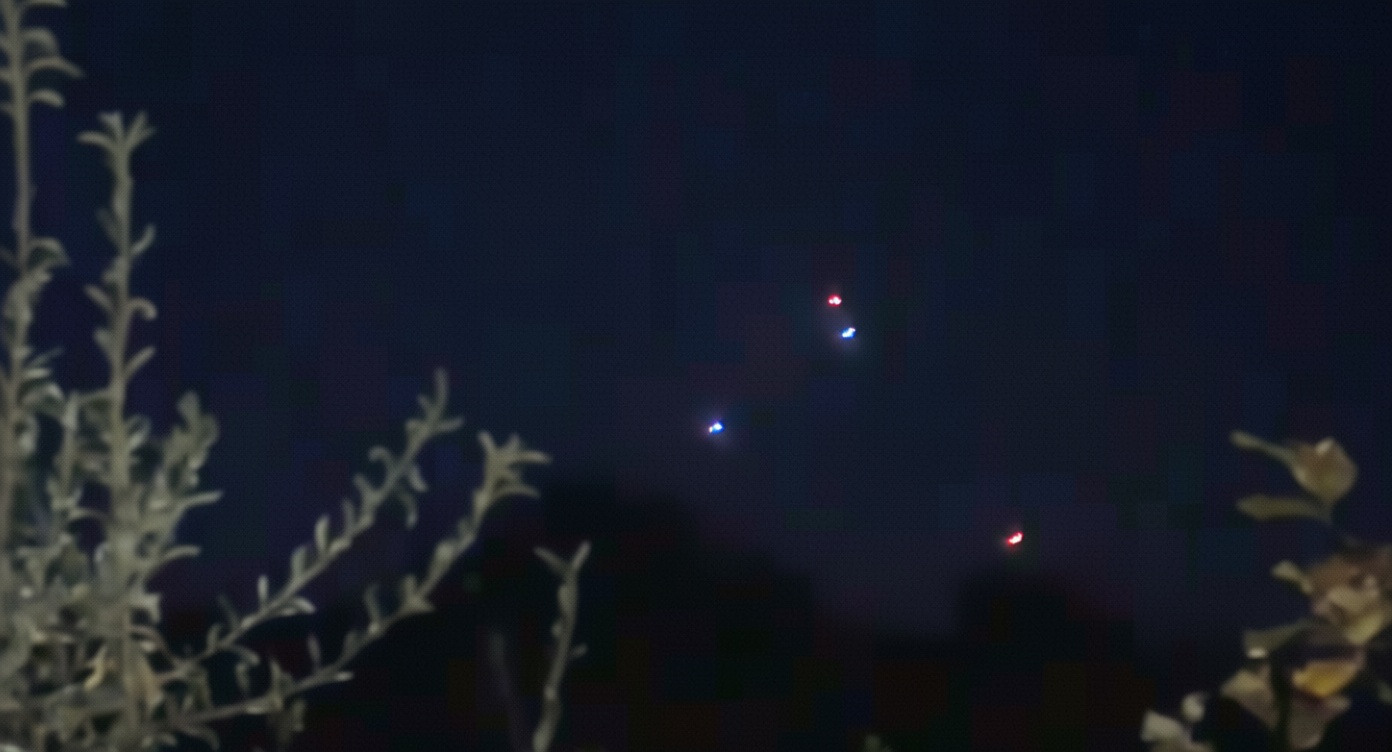
Chigane Mori, a forested ridge on the outskirts of Fukushima City, has become one of Japan’s most visited UFO‑related sites. The area is marked by a cluster of pyramid‑shaped stone formations and several large megaliths that locals say create a “magnetic anomaly” strong enough to cause ordinary compasses to spin erratically. Because of these unusual physical features, combined with decades‑long reports of glowing, disc‑like objects crossing the night sky, the site is often described in Japanese media as a possible “UFO base.” The Japanese newspaper Min’yū notes that more than 20,000 visitors travel to Chigane Mori each year, treating it as a modern pilgrimage for enthusiasts of the paranormal.
Site Characteristics
The stone structures at Chigane Mori are arranged in a roughly triangular layout that resembles ancient pyramids, although no archaeological consensus exists on their origin. Nearby, several megalithic blocks—some weighing several tons—lie partially buried, prompting speculation that they were deliberately placed. Scientific surveys commissioned by the Fukushima prefectural government in 2022 detected a localized magnetic field deviation of up to 0.8 µT, a level sufficient to disturb a standard magnetic compass but far below the threshold that would affect modern navigation equipment. Residents living within a two‑kilometre radius have repeatedly reported sudden compass malfunctions while hiking the trail, a phenomenon that contributes to the site’s mystique.
Visitor Experience
In response to growing interest, the local tourism board opened a UFO Interaction Hall in 2021. The modest museum displays photographs taken by amateur sky‑watchers, reproductions of alleged radar data, and a collection of “chanting stones” where visitors can recite traditional prayers believed to attract sightings. Guided night walks are scheduled twice weekly; participants are equipped with low‑light cameras and instructed to remain silent while “listening for the hum that some claim accompanies UFOs.” According to a spokesperson for the hall, “We aim to provide a respectful environment where curiosity can be explored without resorting to sensationalism.” While the majority of visitors come for the novelty, a small but vocal group claims to have captured unexplained luminous orbs on their devices, though these recordings have not been independently verified.
Economic and Cultural Impact
The influx of UFO enthusiasts has injected noticeable revenue into the surrounding community. Local businesses—from souvenir shops selling miniature pyramids to ryokan (traditional inns) offering “extraterrestrial‑themed” meals—report a 15 % rise in sales during the peak season from May to September. The Fukushima City Office of Tourism estimates that the site contributes roughly ¥120 million (≈ US $850,000) annually to the municipal budget through entrance fees, parking, and related services. Culturally, Chigane Mori has sparked a revival of regional folklore, with schools incorporating the site into local history lessons and community festivals featuring lantern displays that echo the reported “glowing objects.”
Outlook
While scientific explanations for the magnetic anomaly remain limited to natural mineral deposits, the human fascination with the unknown ensures that Chigane Mori will continue to draw attention. Researchers from the University of Fukushima have expressed interest in conducting a comprehensive geophysical survey, hoping to clarify whether the magnetic readings are unique to the area or part of a broader geological pattern. Meanwhile, the site’s administrators plan to expand educational programming, emphasizing critical thinking and responsible observation. Whether the ridge will ever be definitively linked to extraterrestrial activity, it has already secured its place as a modern pilgrimage destination where curiosity, community, and commerce intersect.