Overview
The “100 Lesser‑Known CRYPTIDS of the US Night Stream” podcast episode, released on December 12 2025, runs just over four hours and delves into a catalog of obscure creatures that populate American folklore and cryptozoology. Hosted by the team behind the Missing Persons Mysteries series, the show blends field reports, historical anecdotes, and interviews with researchers to illuminate a side of cryptid lore that rarely makes it into mainstream media. While well‑known entities such as Bigfoot and the Jersey Devil dominate public imagination, this episode shines a light on the “shadow roster” of regional beasts—from the Flatwoods Monster of West Virginia to the Mothman’s lesser‑known cousin, the “Mothwoman” of Ohio—offering listeners a systematic overview of 100 such entities.
Content Highlights
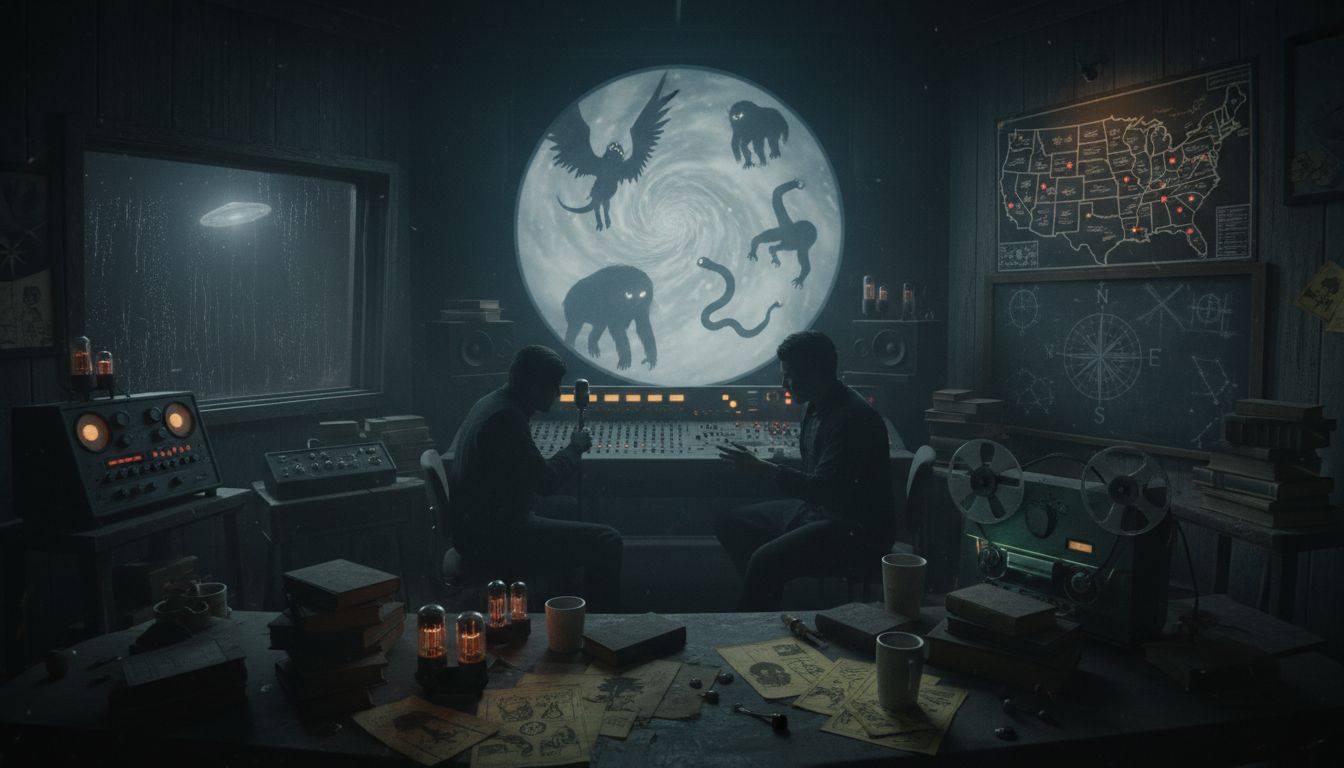
The episode is organized alphabetically, allocating roughly two minutes per creature to present its name, reported sightings, and any documented physical description. Among the most intriguing entries are the “Lake Worth Monster,” a serpentine amphibian allegedly spotted in Texas in the 1970s, and the “Grafton Light,” a luminous entity reported by multiple drivers along a rural highway in Maine. The hosts frequently reference archival newspaper clippings and local oral histories, noting patterns such as the prevalence of water‑bound cryptids in the Pacific Northwest and the concentration of “hairy” humanoids in the Appalachian region.
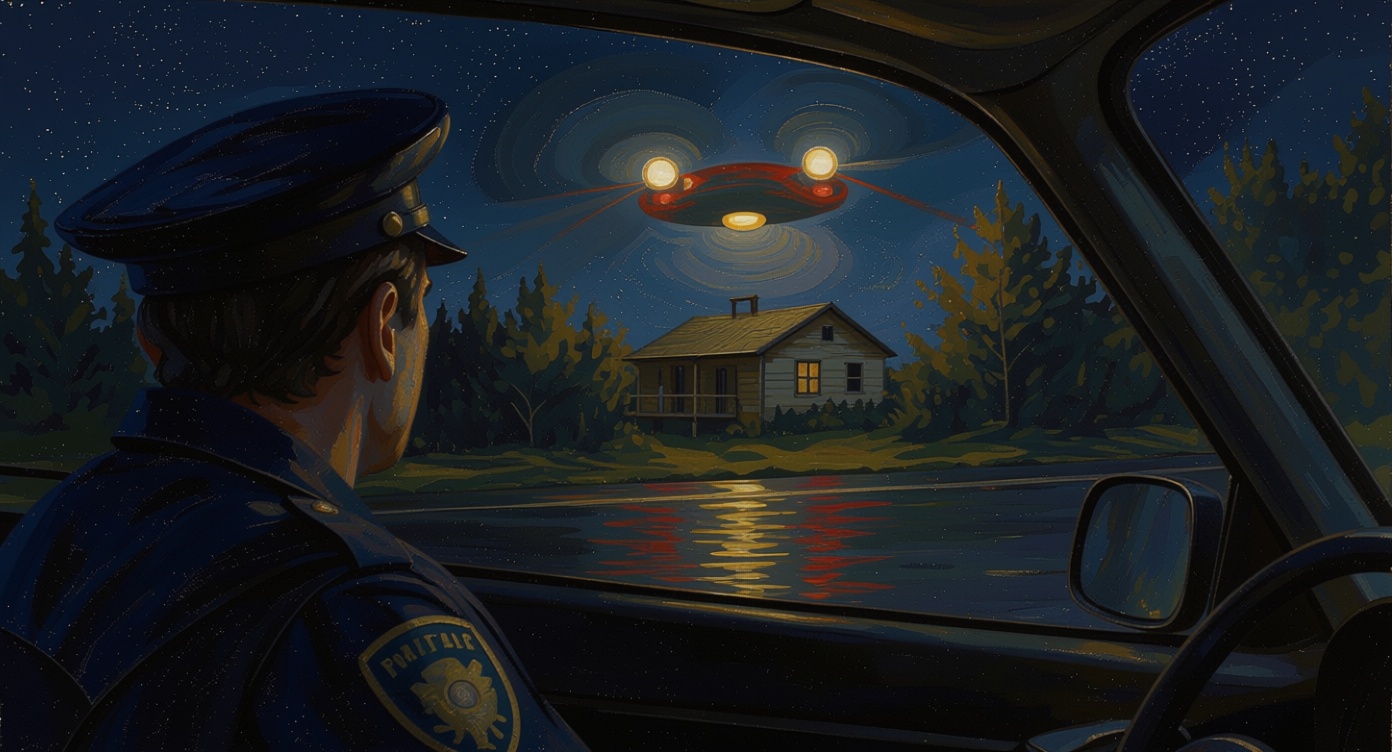
A recurring theme is the intersection of cryptid reports with other paranormal phenomena, such as unexplained lights, electromagnetic disturbances, and even missing‑person cases. The episode cites several incidents where witnesses reported simultaneous sightings of a cryptid and anomalous radio static, prompting speculation about a possible link between the two. Though the narrative remains descriptive rather than speculative, the hosts acknowledge that the lack of empirical evidence leaves many of these stories in the realm of folklore.
Expert Contributions
The program draws heavily on the work of established cryptozoologists Dr. John Coleman and Dr. Margaret Keel, both of whom have published peer‑reviewed articles on regional cryptid sightings. Dr. Coleman, quoted in the episode, emphasizes the importance of “systematic field documentation” and warns against dismissing reports solely because they lack photographic proof. He notes, “Even a single, well‑correlated eyewitness account can guide a focused field survey that might yield physical evidence.”
Dr. Keel contributes a broader cultural perspective, explaining how many of the lesser‑known creatures serve as social barometers for isolated communities. “These stories often emerge during periods of economic stress or environmental change,” she says, citing the surge of “Mogollon Monster” sightings in Arizona during a severe drought in the early 2000s. Their insights anchor the episode’s catalog in scholarly discourse, reinforcing the podcast’s commitment to a measured, research‑oriented approach.
Audience Reception & Cultural Context
Since its release, the episode has amassed over 150,000 streams and generated lively discussion across social platforms, particularly on Reddit’s r/cryptozoology and Twitter (now X). Listeners commend the show for “bringing obscure folklore into the digital age” and for providing a searchable index of creatures that were previously scattered across local archives. Critics, however, caution that the sheer volume of entries may overwhelm casual listeners and that the two‑minute slot per cryptid leaves little room for depth.
The timing of the release aligns with a broader resurgence of interest in “regional mythmaking,” as evidenced by recent documentaries on American folk monsters and an uptick in field‑research grants from private foundations. This cultural moment suggests that the podcast is both a product of and a catalyst for renewed scholarly and popular curiosity about America’s hidden zoological narratives.
Significance & Future Directions
By compiling a comprehensive inventory of 100 under‑reported cryptids, the podcast provides a valuable reference point for researchers, folklorists, and hobbyist investigators alike. Its methodical presentation—combining archival material, expert commentary, and contextual analysis—offers a template for future multimedia investigations into fringe biology. The episode also underscores the need for systematic data collection; several contributors expressed interest in creating a crowdsourced map of sightings to identify geographic clusters and temporal trends.
As cryptozoology continues to straddle the line between science and folklore, initiatives like this podcast play a crucial role in bridging anecdotal tradition with empirical inquiry. Whether any of the featured creatures will ever be captured on film or examined in a laboratory remains uncertain, but the episode ensures that their stories are preserved, catalogued, and examined with a level of rigor that respects both the mystery and the methodology.