Overview
Former U.S. Air Force nuclear security specialist Yoshua Shelton has spoken publicly for the first time about a series of anomalous events that occurred at Nellis Air Force Base’s Area 2, the highly secured sector that stores the service’s nuclear weapons. In a recorded interview conducted in October 2025, Shelton recounts a witnessed unidentified aerial phenomenon (UAP) crash, multiple radar contacts, and visual sightings that took place more than ten years ago. While the Air Force has never officially confirmed the incidents, the new testimony adds to a growing body of eyewitness accounts from personnel stationed at or near nuclear‑weapon sites.
The Incident
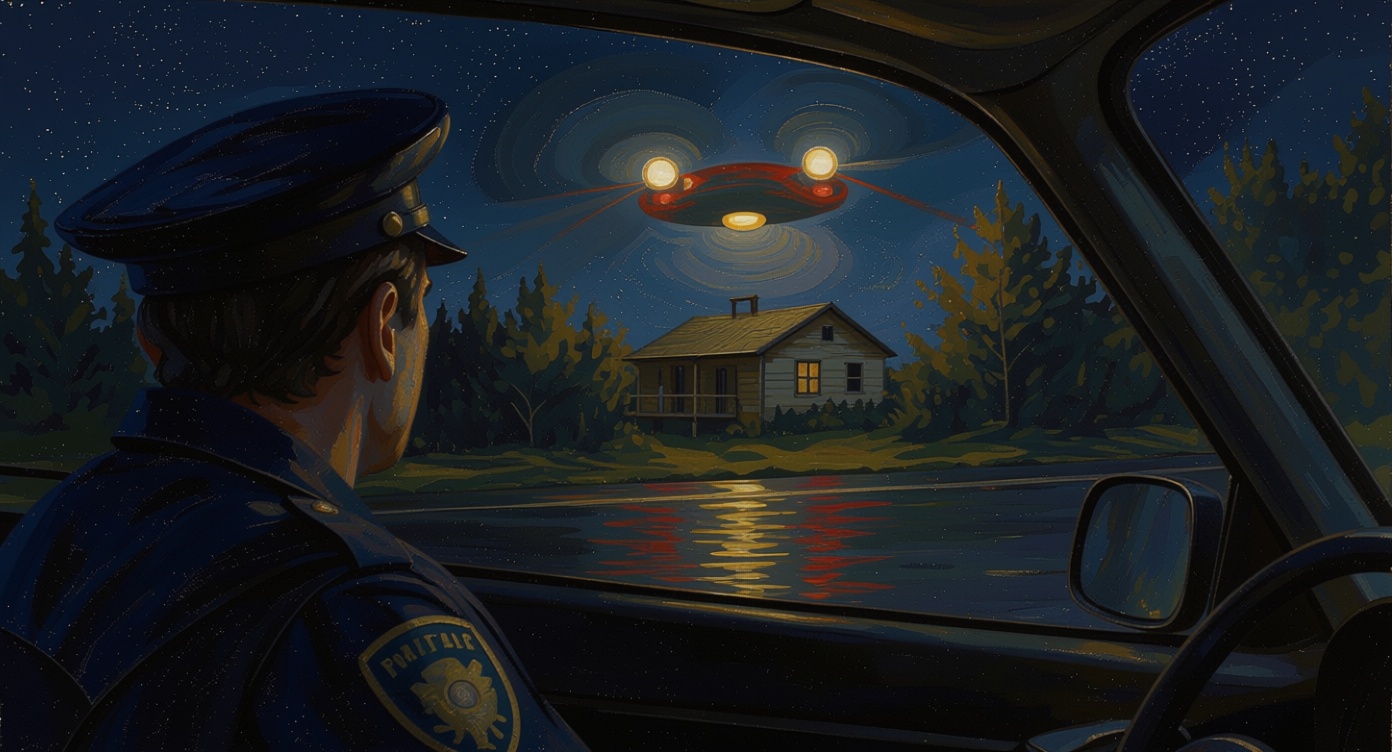
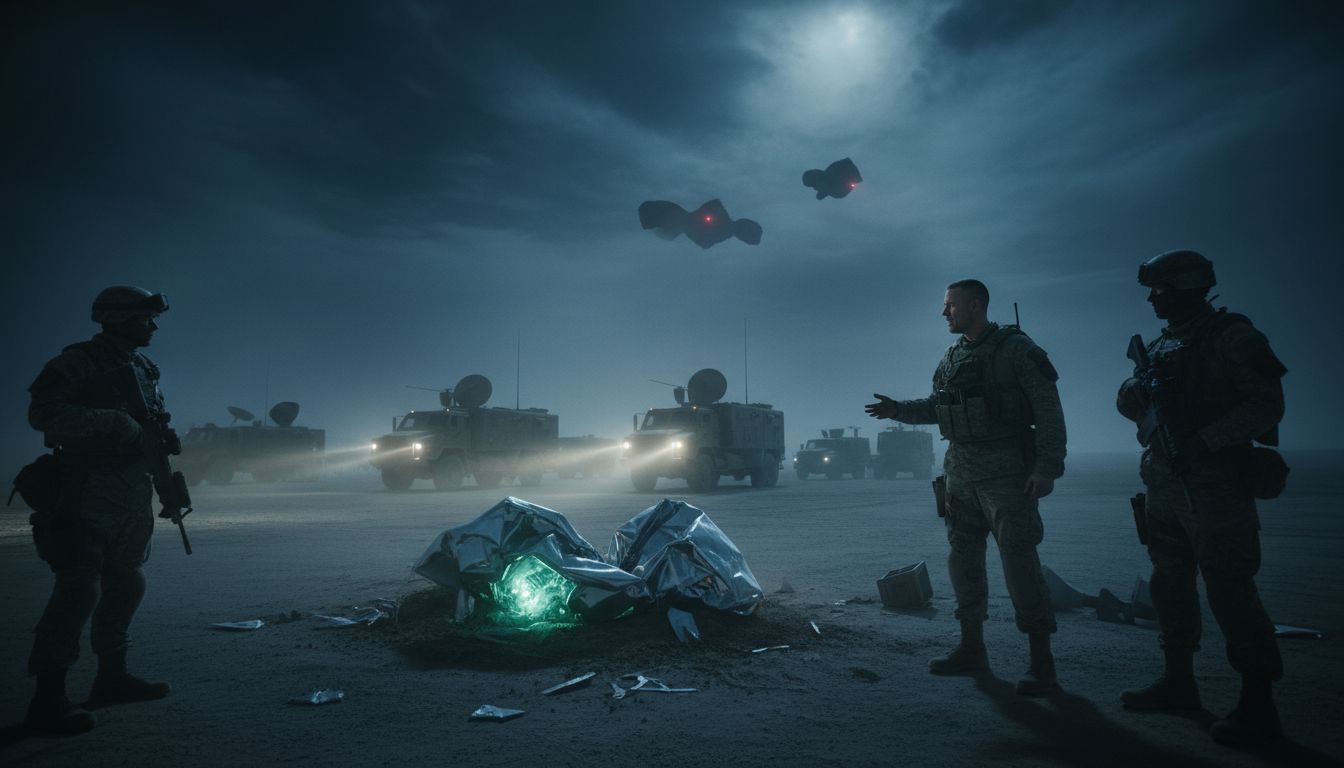
According to Shelton, the first event took place on a clear night in 2013 when his security team observed a bright, disc‑shaped object descending rapidly toward a remote part of the perimeter fence. “It hit the ground with a metallic thud that reverberated through the concrete,” Shelton said. The crash site, roughly 300 meters from a hardened weapons vault, was quickly cordoned off. When a small contingent of ground crew arrived, they reported unusual heat signatures and a faint, humming noise that persisted for several minutes. Subsequent radar logs—later obtained by the interview’s author—show a brief, high‑velocity return that vanished within seconds of the visual contact.
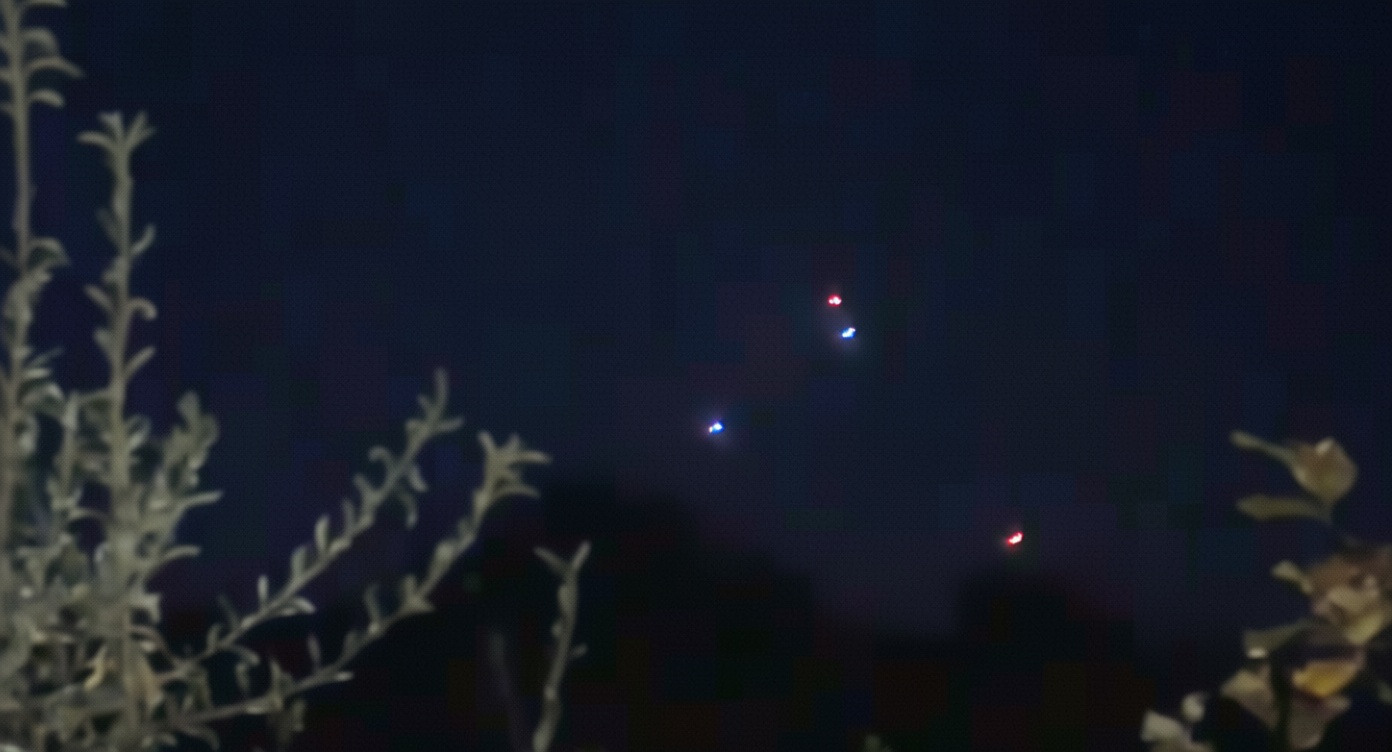
Shelton also described later “synchronised light pulses” that appeared over the same sector on multiple occasions, sometimes coinciding with unexplained fluctuations in the base’s electromagnetic spectrum monitors. “The instruments we rely on for nuclear security started spiking, and the alarms went off for a few seconds before resetting themselves,” he recalled. No official explanation was offered at the time, and the incidents were logged under generic “unknown aerial activity” entries.
Chain of Command Response
The base’s immediate reaction, Shelton explains, followed standard protocol for unknown incursions: the area was secured, local law‑enforcement liaison officers were notified, and the event was escalated to the Air Force’s Nuclear Security Directorate. “We were told to maintain operational secrecy and that the matter would be reviewed by higher‑level officials,” he said. A senior officer, identified only as Colonel M. R., later instructed the team to refrain from discussing the crash with anyone outside the chain of command, citing potential national‑security implications. Shelton’s account aligns with declassified guidance from the Department of Defense that emphasizes limited disclosure of incidents occurring at nuclear‑weapon facilities.
Aftermath and Ongoing Questions
In the years following the crash, Shelton notes that the site underwent a comprehensive security audit. New electromagnetic‑interference detectors were installed, and routine patrols were intensified. However, he stresses that “no formal investigation report has ever been made public, nor have we received any follow‑up briefings that clarified what, if anything, was recovered from the crash site.” The lingering uncertainty has left many service members uneasy, prompting informal discussions among security personnel about the potential risk to nuclear assets.
Shelton’s decision to speak now stems from a belief that transparency is essential for maintaining confidence in the nuclear enterprise. “We protect the nation’s most dangerous weapons; we also have a responsibility to understand any extraterrestrial or advanced‑technology presence that could affect that mission,” he asserted.
Broader Context
Shelton’s testimony arrives amid heightened congressional interest in UAPs, highlighted by the 2023 UAP Task Force report and the 2024 establishment of the All‑Domain Anomaly Resolution Office (ADARO). While most UAP investigations have focused on civilian airspace, the nuclear‑site angle remains under‑explored. Experts such as Dr. James E. O’Leary, a former Pentagon analyst, note that “incidents near nuclear facilities are particularly concerning because they could indicate either a surveillance effort by an unknown entity or a potential vulnerability in our security architecture.”
As the Department of Defense continues to evaluate the strategic implications of UAP encounters, Shelton’s account underscores the need for a rigorous, transparent review process—especially when events intersect with the nation’s most sensitive assets. Whether future disclosures will confirm or refute his observations remains to be seen, but the conversation about UAP activity at nuclear sites is now undeniably part of the broader national‑security dialogue.