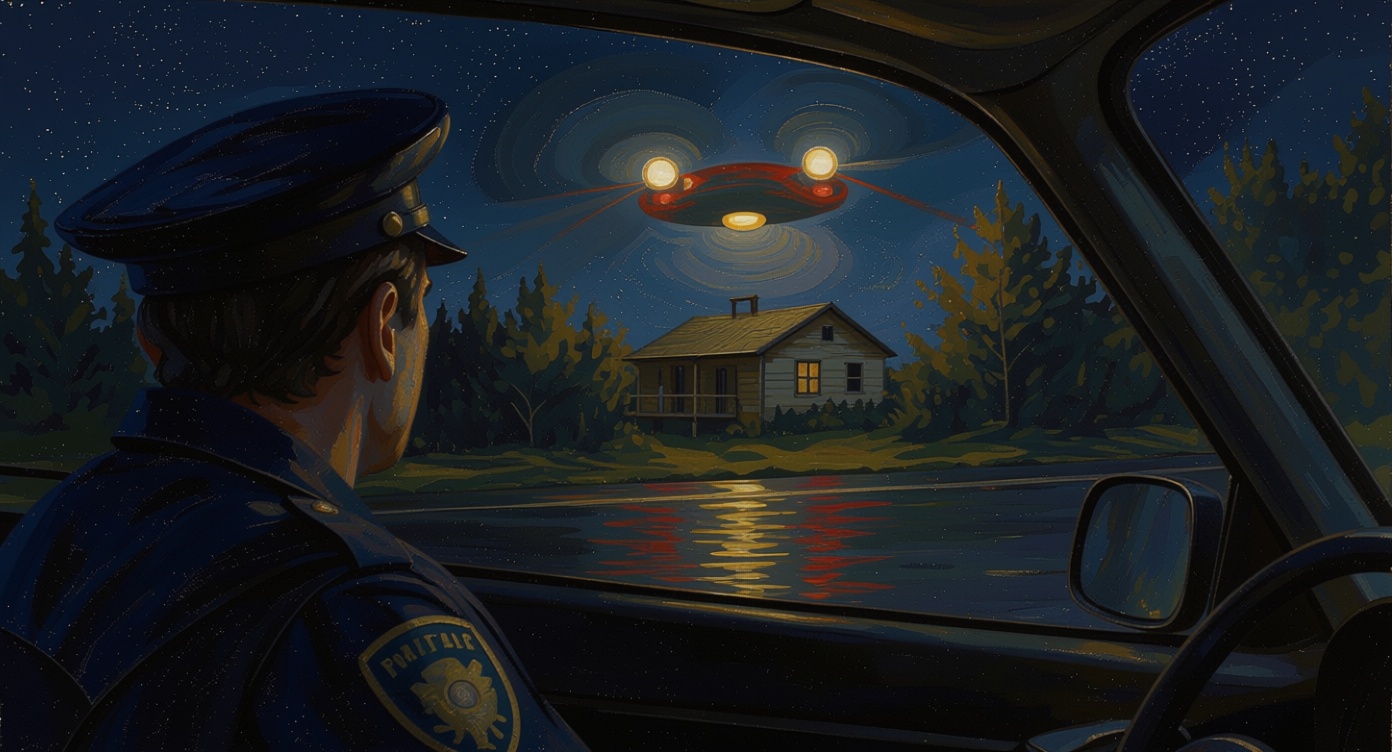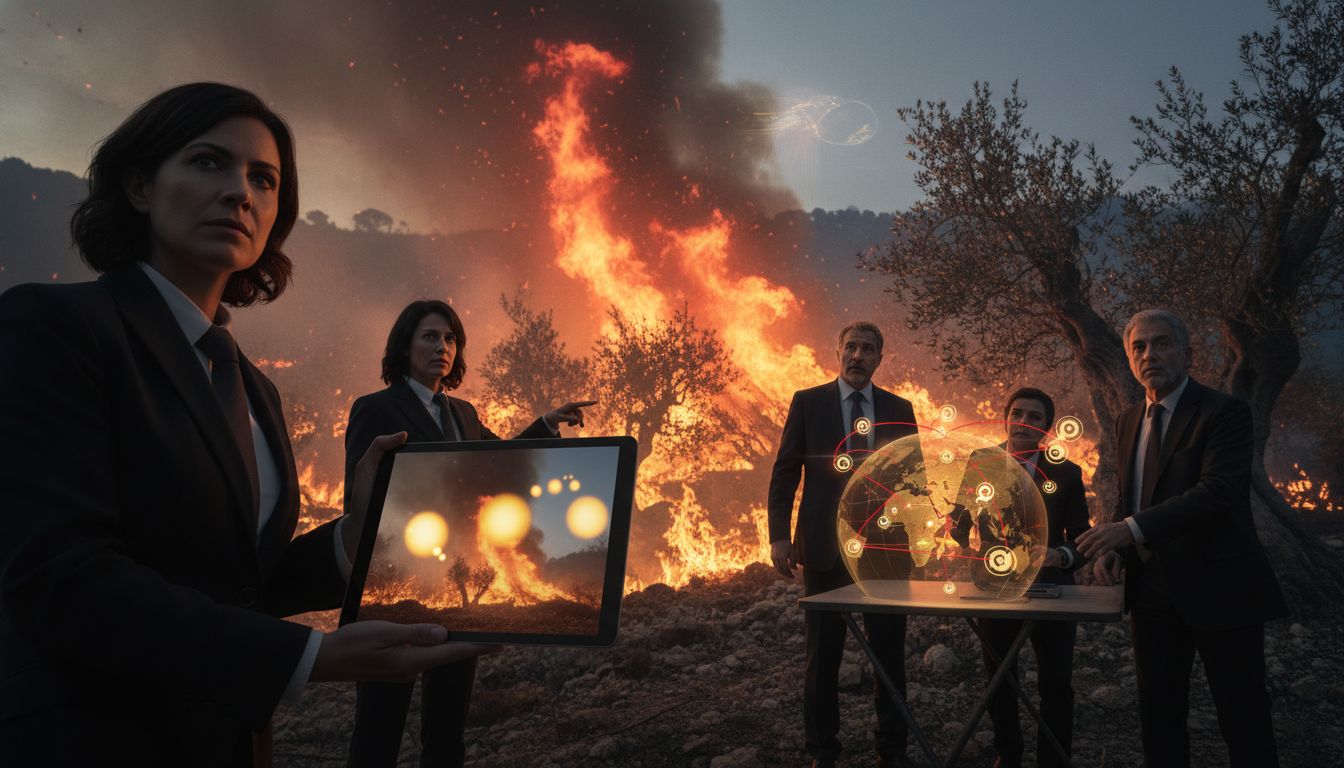
Italian civil‑protection officials said on Tuesday that a series of wildfires that erupted across the eastern coast of Sicily this week were preceded by “unidentified luminous objects” hovering over the forested hills, and they are now examining whether the phenomena could be linked to the flames. The fires, which have scorched more than 1,200 hectares of pine and oak woodland near the towns of Aci Castello and Giarre, were first reported at 02:30 a.m. local time on Saturday. According to the regional governor, Nello Musumeci, residents in the affected areas described seeing “bright, pulsating orbs” that lingered for several minutes before the first firebreaks ignited. “The testimonies are consistent and the timing is striking,” Musumeci told a press briefing, adding that the province’s fire‑prevention unit is working with the Italian Air Force’s UAP (Unidentified Aerial Phenomena) task force to collect radar data and video footage.
The claim that extraterrestrial activity might have triggered the blazes has drawn immediate attention from both national authorities and international observers. The Ministry of Defence confirmed that a small contingent of military analysts has been assigned to review the available sensor logs, while the National Observatory of Atmospheric Phenomena (NOAP) has dispatched a team of meteorologists and remote‑sensing specialists to rule out conventional explanations such as lightning, electrical faults or arson. “Until we have a complete data set, we cannot exclude any natural cause,” said Dr. Elena Ferri, a senior researcher at NOAP. Nevertheless, the agency noted that the orbs’ reported behavior – hovering at low altitude, moving against the wind, and emitting a faint blue‑green glow – does not match any known aircraft or weather balloon profiles.
The Sicilian episode joins a growing catalogue of recent reports that link UAP sightings to environmental anomalies. In the United States, the Pentagon’s UAP Task Force released a 2023 briefing that referenced “unexplained atmospheric disturbances” accompanying several sightings over the Pacific Northwest, and a 2024 study by the University of Colorado Boulder found a statistical correlation between reported UAP activity and sudden temperature inversions. Similarly, Brazil’s Ministry of the Environment documented a series of forest‑fire ignitions in the Amazon that coincided with “strange luminous formations” reported by local indigenous groups. These cases have prompted scientists to explore whether unknown electromagnetic or plasma phenomena could, under certain conditions, ignite dry vegetation.
Skeptics caution that the allure of extraterrestrial explanations can distract from more mundane, yet urgent, factors. Climate researchers emphasize that Sicily’s summer climate has become increasingly prone to drought, with the region recording its lowest precipitation levels in the past decade. “Prolonged dryness creates a tinderbox; a single spark – whether from a discarded cigarette, a power line, or a meteorite – can start a massive fire,” explained Prof. Marco De Luca, an expert in wildfire dynamics at the University of Palermo. He added that atmospheric optics, such as ball lightning or St. Elmo’s fire, can produce brief, glowing phenomena that are easily misinterpreted, especially in low‑light conditions.
The investigation remains open, and authorities have asked witnesses to submit any video, photo or audio recordings to a dedicated online portal. Police have also launched a criminal inquiry to determine whether foul play was involved. While the possibility of alien involvement is not being ruled out, officials stress that the priority is to contain the current blazes, protect nearby communities, and gather rigorous scientific evidence. As the fire‑fighting crews continue to battle the flames, the episode underscores the broader challenge of distinguishing between extraordinary claims and ordinary hazards in an era of heightened public interest in UAPs.