Overview
A single Hebrew word in the biblical book of Proverbs has given rise to a centuries‑long debate among scholars, mystics and folklorists. Alukah (עֲלוּקָה), mentioned only in Proverbs 30:15, originally described a “horse‑leech,” a parasitic creature that clings to an animal’s throat. Over time, the term migrated from a literal zoological reference to a vampiric figure in Jewish folklore, appearing in medieval texts such as the Sefer Hasidim and influencing broader European vampire lore. The evolution of alukah illustrates how a modest biblical metaphor can be reshaped by cultural anxieties and theological concerns.
Biblical Origin and Early Interpretation
The verse that houses alukah reads:
“The horseleach hath two daughters, crying, Give, give. There are three things that are never satisfied, yea, four things say not, It is enough.” – Proverbs 30:15 (KJV)
In its original Hebrew context, alukah denotes a blood‑sucking leech, a creature whose insatiable appetite served as a metaphor for greed or unbridled desire. Early translators rendered the term variously as “leech” or “blood‑sucker,” emphasizing its parasitic nature rather than any supernatural quality. The “two daughters” have been interpreted as personifications of endless demands, reinforcing the moral lesson of the proverb.
Medieval Transformation in Rabbinic Literature
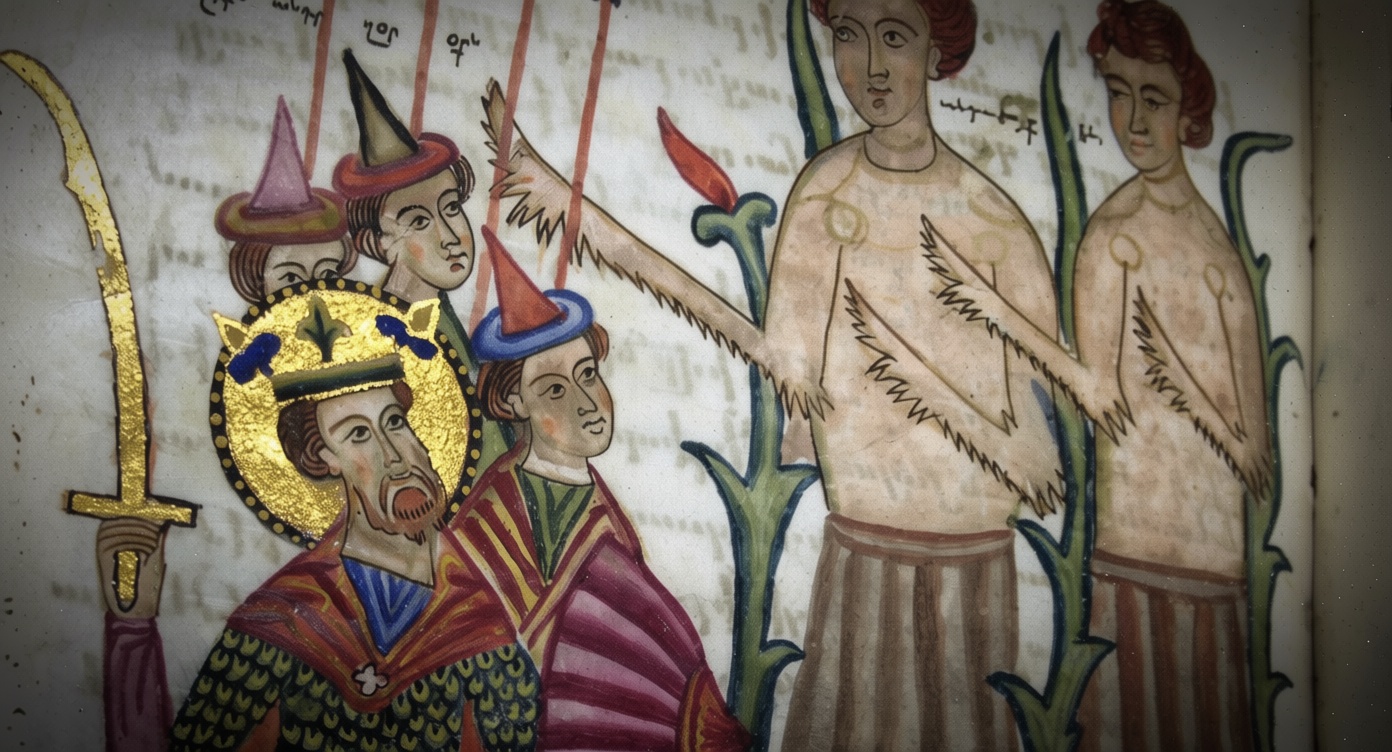
By the medieval period, the alukah had shed its purely zoological skin. Rabbinic works such as the Sefer Hasidim (the “Book of the Pious”) describe the alukah as a human‑like demon capable of shapeshifting into a wolf, unfurling its hair to fly, and feeding on human blood at night. The text notes that “if the creature is prevented from feeding for long enough, it will eventually die,” echoing a core motif of global vampire folklore: the need for blood to sustain unlife. These attributes align the alukah with other Near Eastern entities, including Babylonian and Assyrian night demons, suggesting a syncretic development that blended local myth with imported demonology.
Scholarly Perspectives and Protective Practices
Modern scholars view the alukah as a case study in mythic accretion, where a biblical metaphor accrues layers of meaning through oral tradition, mystic exegesis, and intercultural exchange. The Burney Relief—a Mesopotamian terracotta plaque often dubbed the “Queen of the Night”—is sometimes cited in discussions of alukah because of its depiction of a winged, nocturnal figure, though the direct link remains speculative. In Jewish mystical practice, protection against the alukah is said to involve reciting the psalm “Shir shel Pega’im,” a hymn traditionally invoked for defense against evil spirits. This ritual underscores the enduring perception of the alukah as a demonic threat rather than a mere animal.
Contemporary Relevance
Today, the alukah continues to surface in academic conferences, popular podcasts, and even speculative fiction, illustrating the lasting fascination with vampire archetypes. While the entity is no longer a focus of mainstream religious fear, its story provides insight into how scriptural language can be reinterpreted to address evolving cultural fears—whether about greed, disease, or the unknown. As Dr. Miriam Goldstein of the Hebrew University notes, “The alukah reminds us that the line between natural description and supernatural imagination is often thinner than we assume.” The ongoing scholarly dialogue ensures that this ancient leech remains a living subject of inquiry, bridging biblical studies, folklore, and the anthropology of belief.