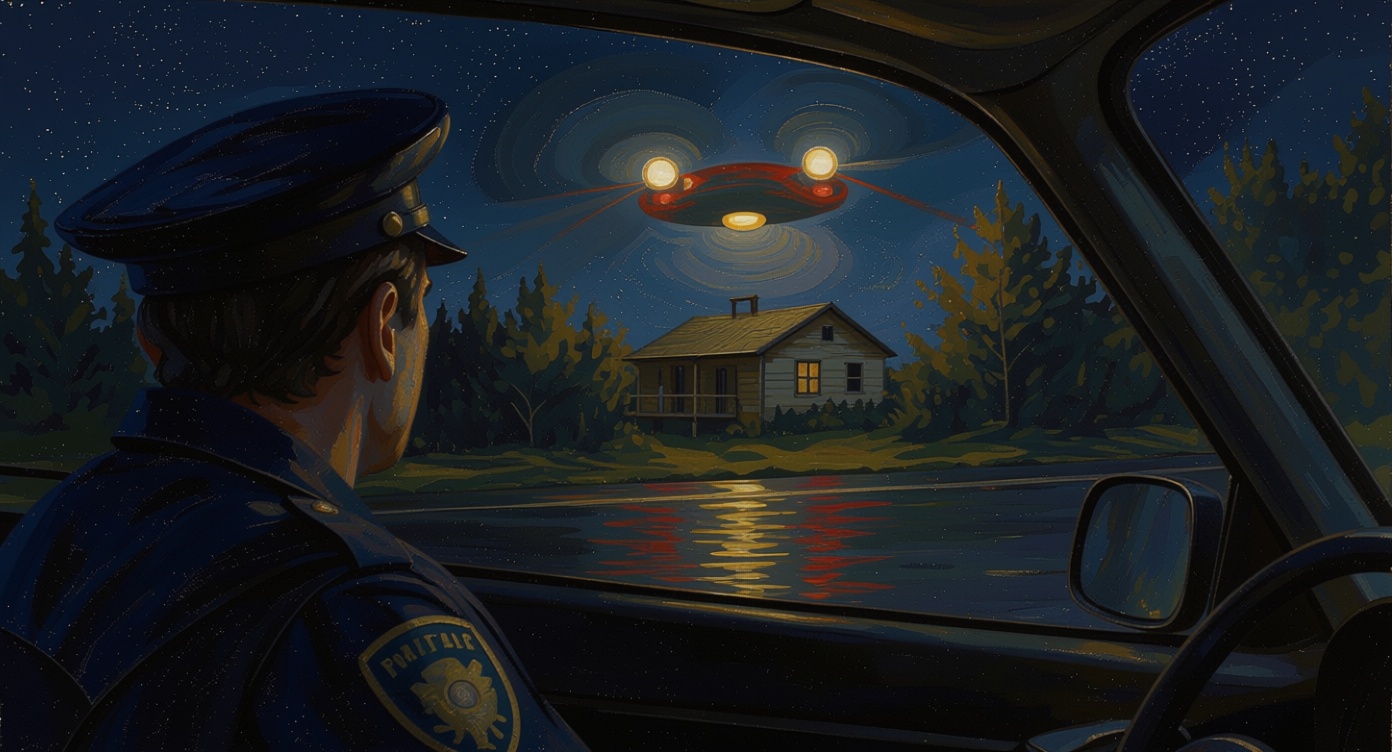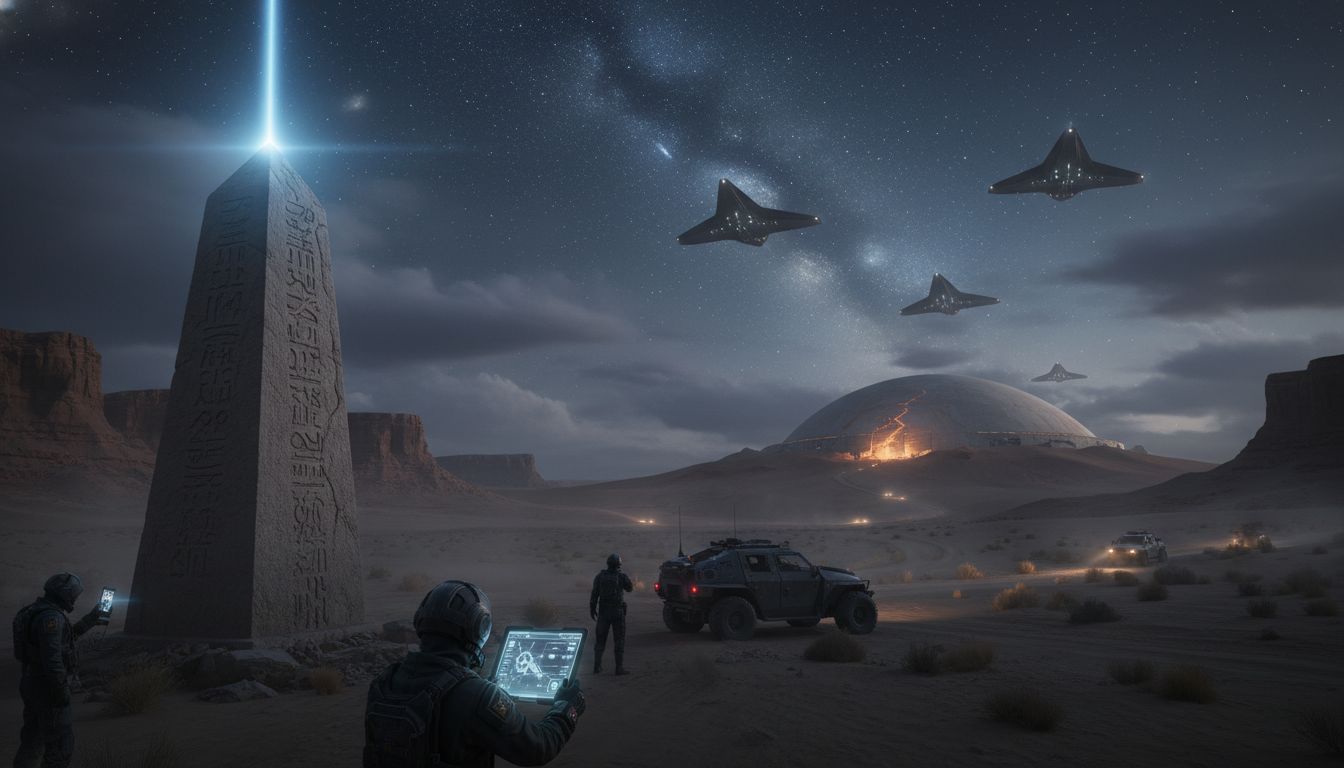
Reports of unidentified aerial phenomena, or UAPs, have become a consistent feature in government and civilian records worldwide, with the United Kingdom's Ministry of Defence alone logging at least 2,400 sightings since the year 2000. UAPs, often used interchangeably with the term UFOs, refer to any object or light in the sky that cannot be immediately explained or identified. While the majority of these incidents are ultimately attributed to atmospheric or man-made sources, a persistent fraction remains unexplained, fueling ongoing public intrigue and official investigation.
Historical precedent for such widespread fascination dates back to the summer of 1947, an era marked by what has been termed "flying saucer madness." That year, the United States experienced a surge of roughly 800 UFO reports, most notably the sighting by civilian pilot Kenneth Arnold. Arnold claimed to have witnessed nine disc-shaped objects flying in formation at speeds approaching 1,200 miles per hour over Mount Rainier. His account, widely reported in the media, is credited with launching the modern era of UFO interest and investigation.
In the decades since, several cases have captured both public and institutional attention. One such example is the small UK town of Bonsol, dubbed a "UFO hotspot" after repeated reports of silver shapes and strange lights in the sky. In 2001, resident Sharon Roland inadvertently filmed a large, disc-shaped object with colored lights, a recording that piqued NASA’s curiosity due to its resemblance to an object observed during a 1996 space mission. While NASA concluded the object was metallic and did not match any known aircraft, its true nature remains undetermined.
Across the Atlantic, the Tinley Park lights incident in Illinois in 2004 saw residents and neighboring cities report triangular patterns of red and multicolored orbs hovering overhead. Despite some witnesses suggesting an elaborate prank, no concrete explanation was ever established. Similarly, the O'Hare International Airport sighting in Chicago in 2006 involved multiple United Airlines employees and airport personnel witnessing a silent, dark gray saucer-shaped object hovering over a gate before it shot upward, leaving a brief hole in the clouds. The lack of radar confirmation led authorities to forgo a formal investigation, despite credible eyewitness testimony.
More recent years have seen the phenomenon intersect with both national security and legislative action. The 2024 New Jersey drone sightings involved over 3,000 reports of large, coordinated drones near critical infrastructure across the United States. While the Department of Homeland Security identified some as manned aircraft, many incidents went unexplained, prompting calls for further legislation and resources. The drones’ sophisticated behavior and ability to evade detection have left investigators with more questions than answers.
These incidents, alongside the Pentagon’s 2021 confirmation of the authenticity of several Navy pilot videos capturing flying objects with extraordinary flight characteristics, underscore the enduring mystery and complexity of UAP phenomena. As government agencies, military officials, and the public continue to grapple with these unexplained events, the debate over their origin—be it natural, man-made, or otherwise—remains unresolved, ensuring that interest in the subject will persist for years to come.