Overview
Claims that UFO-related information is being withheld or suppressed are once again circulating among UAP observers, after a recent VibeWire Magazine post highlighted a discussion by creator Cristina Gomez on the latest round of disclosure-related developments. The piece, which has been widely shared among paranormal and UAP enthusiasts on X, frames the debate around whether current government file drops contain only part of the story, with some insiders allegedly suggesting that more consequential material remains unreleased.
The article itself does not present new documentary evidence, but instead centers on commentary from Gomez’s roundup of recent UFO and UAP headlines. Her segment focuses on the long-running tension between public disclosure efforts and accusations that key records, footage, or testimony are being kept from public view. That tension has become a recurring feature of the modern disclosure conversation, especially as researchers and online communities continue to scrutinize what agencies choose to release—and what they do not.
Claims of Withheld Data
Among the more notable claims referenced in the VibeWire summary is a statement attributed to former intelligence analyst Sarah Gamm, who allegedly confirmed the existence of unreleased UFO imagery and accused the All-domain Anomaly Resolution Office (AARO) of refusing data tied to the UAP Task Force. If accurate, such claims would add to longstanding concerns from disclosure advocates that institutional gatekeeping continues to limit public understanding of the subject. However, the source material does not provide direct documentation of the allegation, and it is unclear from the article how much of the claim has been independently verified.
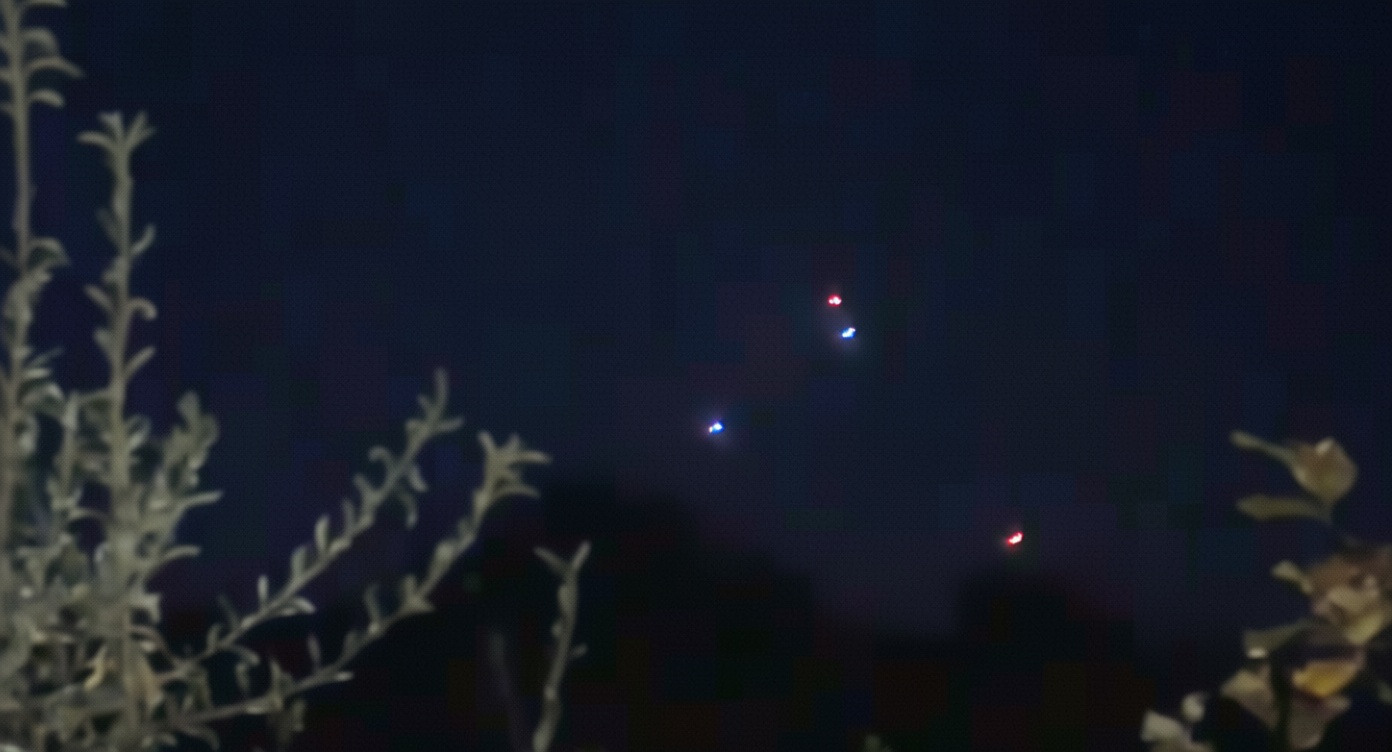
The piece also references a separate assertion attributed to NASA Administrator Jared Isaacman, who is said to have acknowledged that the government possesses unexplained UAP footage. That detail has helped fuel renewed online speculation that official agencies may be holding back higher-quality material than what has been made public so far. In disclosure circles, such statements tend to gain traction quickly, especially when paired with familiar concerns over redactions, delayed releases, and incomplete archival records.
Broader Context and Public Reaction
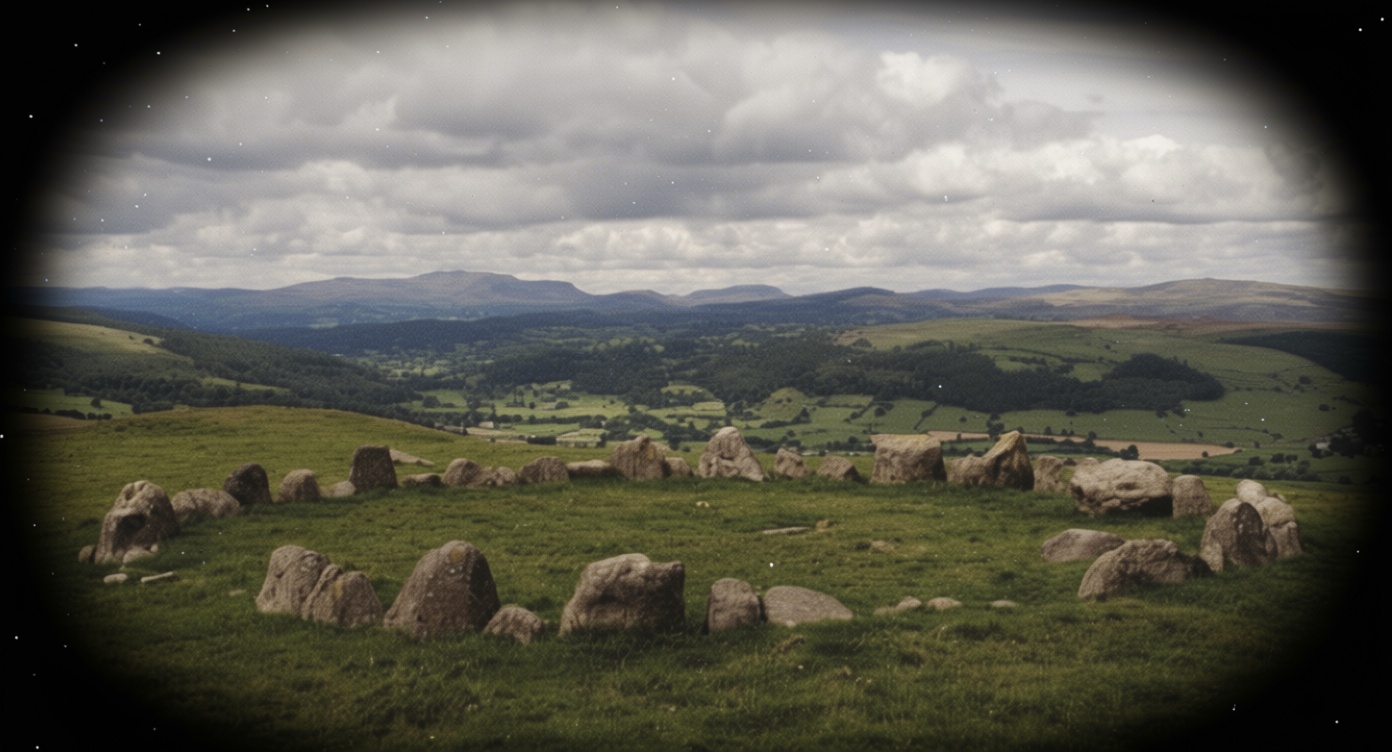
The article’s framing reflects a familiar pattern in UAP reporting: a mix of insider testimony, official ambiguity, and online amplification. The mention of a Welsh priest arguing that the Bible points to non-human intelligence adds a wider cultural and interpretive dimension to the discussion, underscoring how UFO narratives continue to intersect with religion, philosophy, and public belief systems. While these claims may appeal to audiences already interested in the paranormal, they also highlight how broad the disclosure conversation has become.
At the same time, the article’s popularity on social media shows how quickly even partial or anecdotal references can shape public perception. For supporters of disclosure, the possibility that insiders were “stopped” from saying more reinforces suspicions that governments are still managing the narrative. For skeptics, the same material is a reminder that extraordinary claims require extraordinary evidence. As the latest file drops continue to be examined, the central question remains unchanged: are authorities gradually revealing the full picture, or only the least sensitive parts of it?