Overview
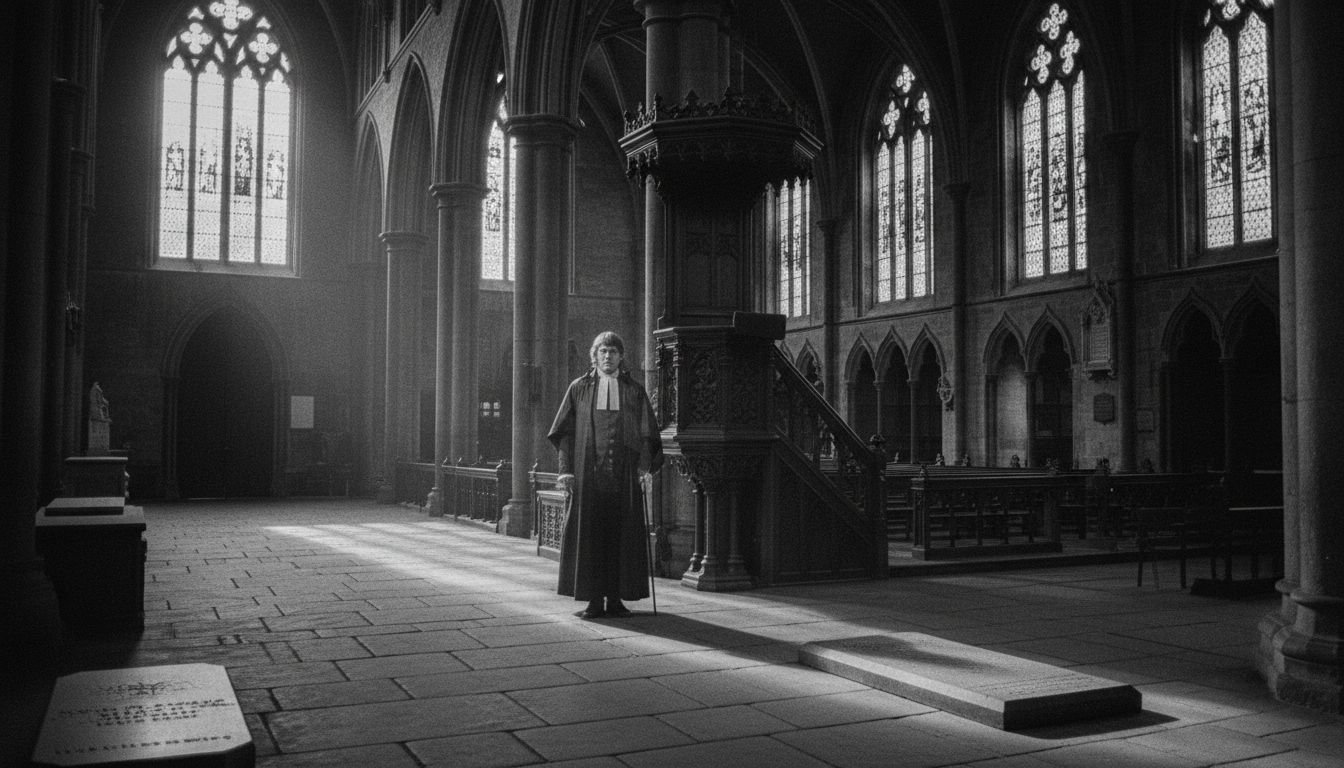
Leroy Gordon Cooper Jr., one of NASA’s original Mercury Seven astronauts and a highly decorated Air Force pilot, spent his career earning a reputation for precision, discipline and technical skill. He flew the final solo American spaceflight of the Mercury era on Mercury-Atlas 9 in 1963 and later commanded Gemini 5, helping establish early endurance records in space. After leaving NASA, however, Cooper became equally well known for a far different set of assertions: that some UFO reports reflected genuine extraterrestrial activity and that the U.S. government may have withheld evidence from the public. His views gave unusual prominence to a debate that has long existed at the edge of aerospace history, intelligence secrecy and public skepticism.
The Edwards Air Force Base account
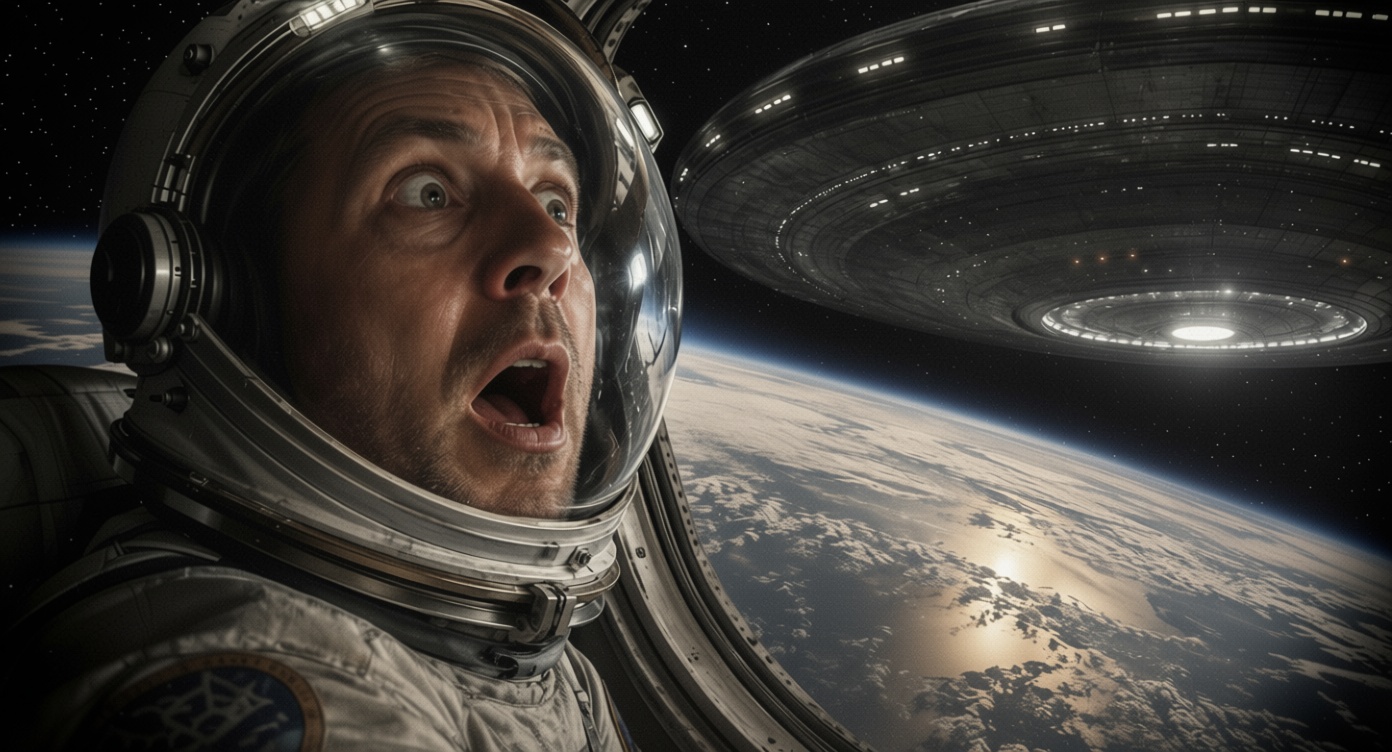
One of Cooper’s most repeated claims centered on an episode he said occurred around 1957 while he was stationed at Edwards Air Force Base. According to Cooper, a camera crew conducting a precision landing project filmed a metallic, saucer-shaped craft that touched down briefly on a dry lake bed, rested on landing supports and then lifted away silently at high speed. Cooper said he later viewed the developed footage and concluded that the object was unlike any conventional aircraft he had ever seen. He also emphasized that the people involved were experienced military personnel rather than civilians seeking attention.
Cooper said that, following standard procedures, the film was sent to authorities in Washington, D.C. and that he never learned what happened to it. That part of the story has remained a major point of controversy: no copy of the alleged film has ever surfaced publicly, and the incident has not been confirmed by official records or independent historical documentation. As a result, the account continues to rest primarily on Cooper’s testimony rather than on verifiable archival evidence.
Why Cooper’s views carried weight
What made Cooper’s public statements especially notable was his background. Before NASA, he served as a fighter pilot and test pilot in the U.S. Air Force, a career that placed him among the military’s most trusted aviators. In public interviews throughout the 1970s, 1980s and 1990s, Cooper argued that trained observers such as military pilots and radar operators should not be casually dismissed when they reported unexplained aerial phenomena. He maintained that repeated accounts of objects performing maneuvers beyond known aircraft capabilities deserved serious study, particularly when several credible witnesses described similar events independently.
Importantly, Cooper did not claim to have personally seen aliens. Instead, he suggested that some UFO reports could involve advanced vehicles operated by extraterrestrial intelligences. That distinction shaped much of his public messaging: he framed the issue less as a matter of mythology than as a question of evidence, observation and institutional response. In his view, the problem was not only whether unusual objects existed, but whether they were being properly investigated.
Secrecy, skepticism and enduring debate
Cooper’s comments also fed broader suspicions about government secrecy and whether classified military programs may have obscured potentially significant information. For supporters, his standing as an astronaut and pilot gave his claims added credibility; for skeptics, the absence of documentary proof, physical evidence or corroborating archival material makes the story impossible to confirm. That tension remains central to the UFO/UAP discussion today, where witness testimony is often compelling but rarely decisive without independent records.
Even so, Cooper’s legacy is difficult to separate from the UFO conversation. He was not a fringe figure making claims from outside the system, but a respected insider whose career spanned military aviation and the early years of American human spaceflight. Whether his beliefs reflected hidden evidence, misinterpreted events or an overestimation of what witnesses had seen, Gordon Cooper helped ensure that the question of extraterrestrial visitors remained part of the public record rather than a private rumor.