Overview
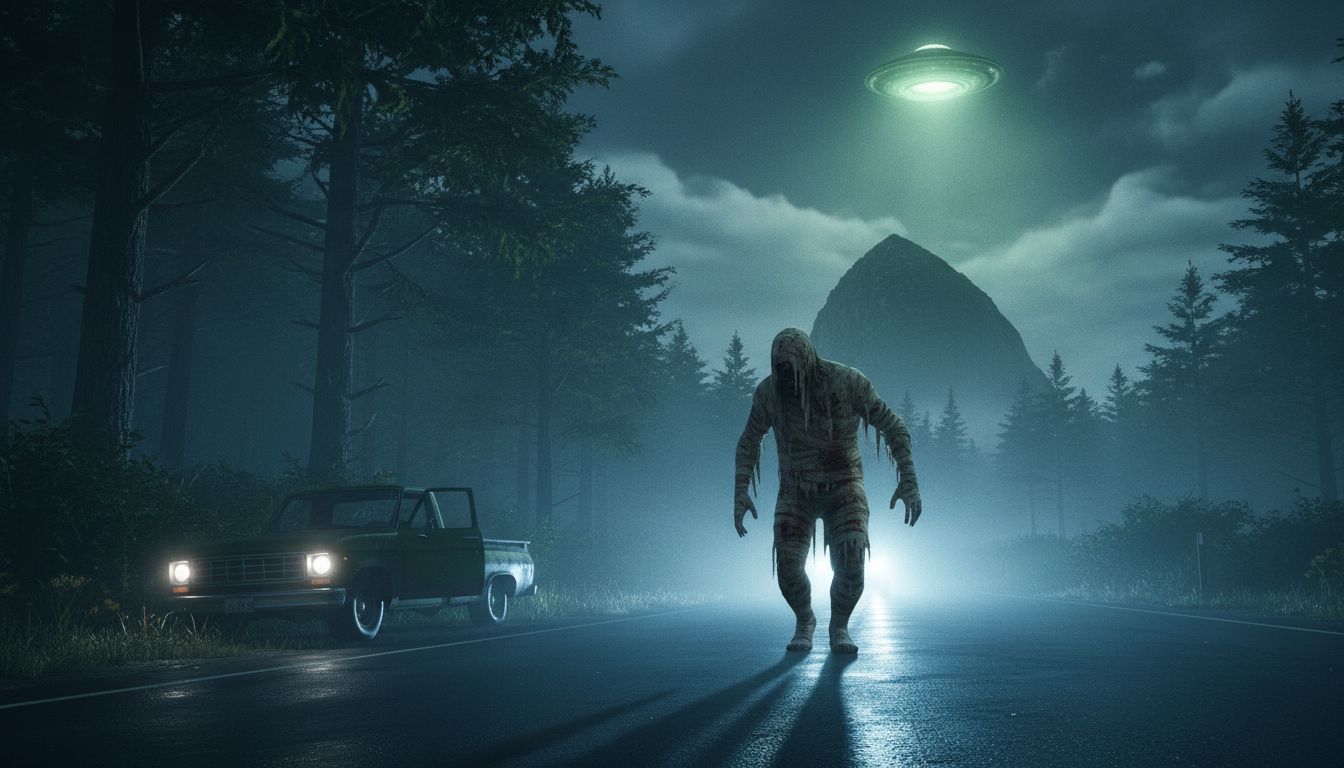
The “Bandage Man” of Cannon Beach has resurfaced in online paranormal forums, prompting renewed discussion of one of Oregon’s most enduring roadside legends. First documented by the Cannon Beach History Center in the 1950s, the figure is described as a bandaged, blood‑stained apparition that emits a rotting odor and appears along a stretch of Highway 101 between Highway 26 and the towns of Cannon Beach and Arch Cape. While the tale has long been part of local folklore, its recent circulation on social‑media groups dedicated to cryptids and ghost stories highlights a broader, contemporary fascination with Oregon’s mysterious heritage.
Origins and Variations
According to archival material from the Cannon Beach History Center, the legend originated in the mid‑20th century, when residents recounted sightings of a man wrapped in tattered bandages stumbling onto the highway. The narrative diverges on the victim’s identity: one version portrays him as a logger who suffered a fatal accident in a sawmill, another cites an injured fire‑fighter, and a third suggests an electrician struck by lightning. Regardless of the backstory, the core description remains consistent—a blood‑ied, bandaged figure whose sudden appearance is accompanied by a foul smell. The tale gained traction in the 1960s, when teenagers reportedly encountered the specter while parked in their cars, and local pranksters began staging “Bandage Man” hoaxes that further cemented the story in community memory.
Local Impact
For decades the Bandage Man has been a staple of Cannon Beach’s cultural narrative. The Oregon Coast Beach Connection notes that the legend has been featured in regional anthologies and children’s “spooky‑story” collections, ensuring that each new generation of residents hears the warning: “Don’t pick up strangers on the road at night.” Local businesses have occasionally referenced the figure in promotional material, and the Cannon Beach History Center continues to field inquiries from tourists curious about the “ghostly hitchhiker.” While no official police reports corroborate the sightings, the legend’s persistence reflects a broader pattern of Pacific‑Northwest folklore that blends natural danger with supernatural cautionary tales.
Modern Resurgence
In the past year, the Bandage Man has reappeared on platforms such as Reddit’s r/Paranormal and dedicated Discord servers for cryptid enthusiasts. Users share grainy photographs of a bandaged silhouette, often accompanied by timestamps that claim to capture the figure’s sudden disappearance from a pickup truck bed. A post on the “Pacific Northwest Hauntings” Facebook group, dated March 2026, quoted a longtime resident who said, “I grew up hearing the story, and now the kids are posting it online as if it’s a meme—but the feeling of unease is still real.” This digital revival mirrors a national trend where regional legends are repackaged for online audiences, sparking both scholarly interest and casual speculation.
Expert Perspective
Folklorist Dr. Elena Martínez of the University of Oregon’s Department of Anthropology cautions against conflating internet hype with historical fact. “Legends like the Bandage Man serve as a social barometer,” she explains. “They encapsulate community anxieties—here, the perils of a remote coastal highway and the dangers of industrial labor in the mid‑20th century.” Dr. Martínez adds that the legend’s adaptability—shifting from logger to fire‑fighter to electrician—demonstrates how oral traditions evolve to remain relevant. While no empirical evidence supports the existence of a physical entity, the story’s endurance offers valuable insight into how modern media reshapes and preserves regional mythologies.
Looking Ahead
As the Bandage Man continues to circulate in digital folklore circles, local historians are compiling oral histories to preserve the legend’s original context. The Cannon Beach History Center plans to host a virtual exhibit later this summer, featuring scanned newspaper clippings, eyewitness testimonies, and an analysis of the legend’s role in Oregon’s broader cryptid tapestry. Whether the Bandage Man will ever be captured on credible video remains unlikely, but the ongoing conversation underscores a timeless human impulse: to find meaning—and perhaps a warning—in the shadows that line our highways.