Overview
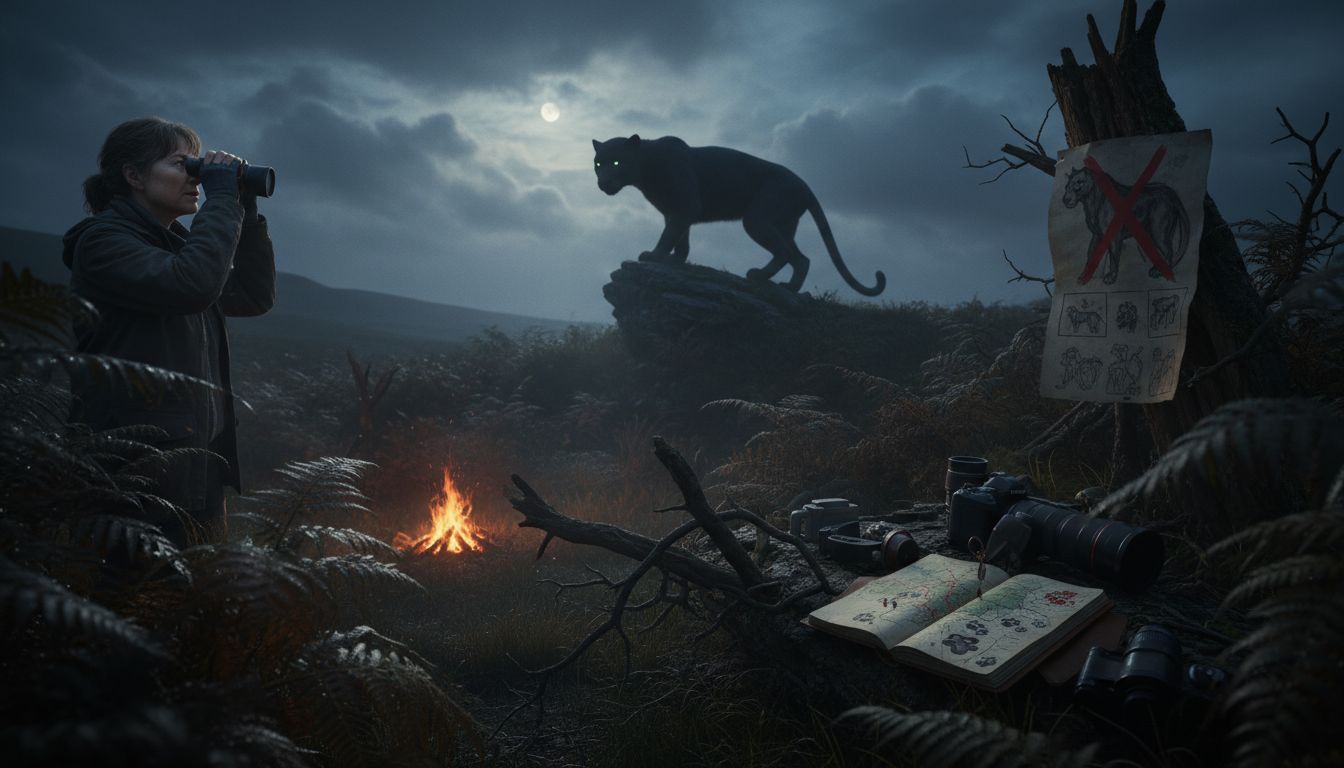
Reports of large exotic cats prowling the British countryside have persisted for decades, fueling public fascination and controversy. Though official sources continue to deny the presence of wild panthers, pumas, or leopards in Britain, a growing body of eyewitness accounts and circumstantial evidence suggests that these so-called “British big cats” may be more than just local legend. A recent video titled Big Cats Are Hiding in Britain RIGHT NOW delves into these mysterious sightings and the debate surrounding them.
Eyewitness Accounts and Physical Evidence
Across England, Scotland, and Wales, residents have described encounters with big, black-furred predators—often in remote moors, dense forests, and open farmland. Farmers, in particular, report finding livestock killed with “clean bite marks too large for foxes or dogs.” These incidents, coupled with unexplained animal screams and large paw prints, have pushed the phenomenon from rural folklore to a topic of national intrigue.
Despite the volume of reports, no clear photographs or physical remains have ever been produced, raising skepticism among experts. Yet, the consistency of the stories, and the detailed nature of some accounts, continue to challenge official denials.
Possible Origins: Escaped Pets or Ancient Survivors?
The origins of these mysterious felines remain hotly debated. One widely-held theory links their presence to the 1976 Dangerous Wild Animals Act, which required exotic pet owners to obtain licenses for dangerous species. Some believe this legislation led to a wave of releases, as people freed pumas, leopards, and panthers they could no longer legally keep.
Alternatively, others speculate about a more ancient lineage, suggesting that these cats are remnants of once-native British predators that have survived undetected for centuries. The video raises the possibility of “remnants of ancient predators hiding in plain sight,” adding a cryptozoological dimension to the debate.
Official Response and Ongoing Mystery
Authorities remain unconvinced, citing the **lack of physical evidence—no bodies, no clear photos—**as grounds for disbelief. Nevertheless, the video notes that the sightings have not diminished; instead, they have fostered a subculture of amateur investigators and “cryptid” enthusiasts who scour the countryside for clues.
“Would you walk the moors at night?” the video provocatively asks, underscoring the enduring sense of mystery and unease that surrounds the topic.
Context and Continuing Interest
While the existence of British big cats remains unproven, the phenomenon highlights the intersection of folklore, wildlife management, and public imagination. The combination of persistent eyewitness testimony, unexplained livestock deaths, and the absence of conclusive proof ensures the subject remains a fixture of British cryptozoology.
As the video’s popularity demonstrates, public curiosity about these elusive animals is as strong as ever, inviting both skepticism and wonder in equal measure.