Overview
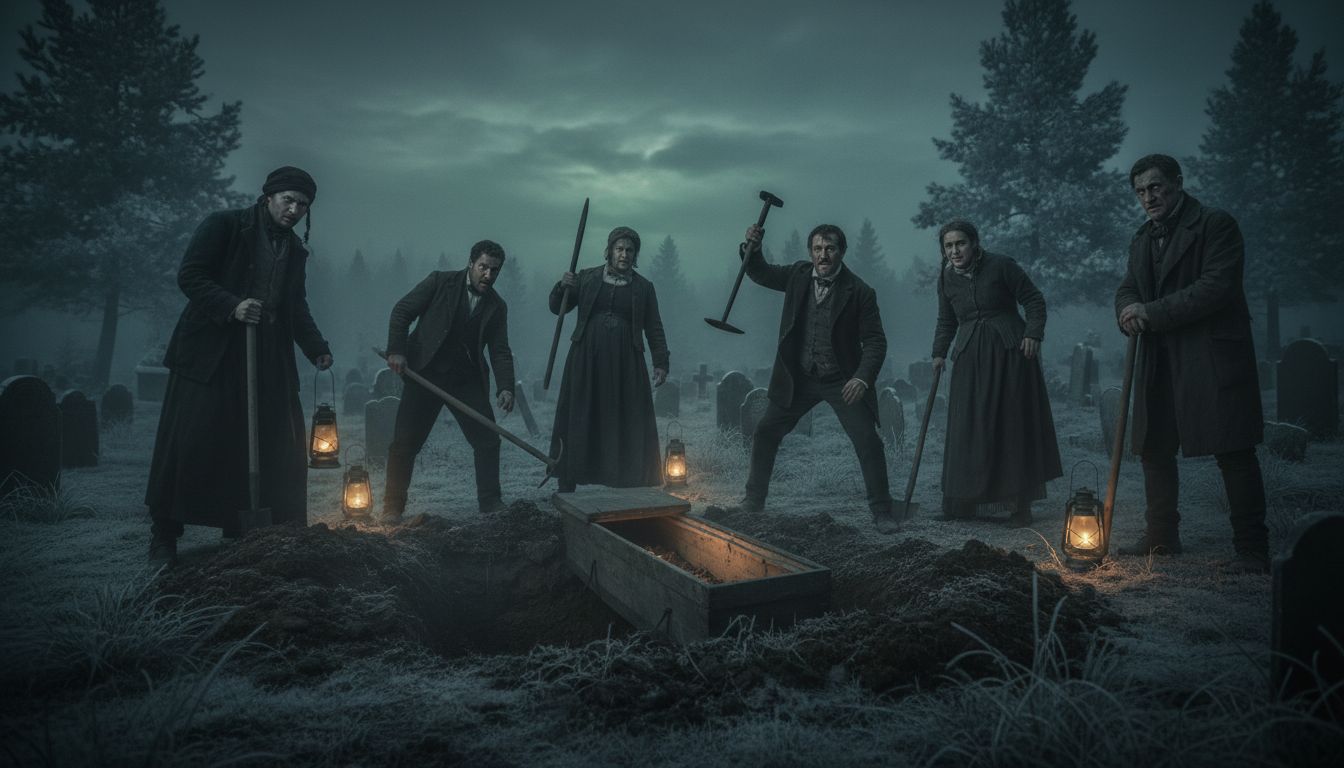
In the late‑19th century, a wave of fear swept through rural New England that historians now refer to as the New England Vampire Panic. While the region is more famously associated with the Salem witch trials of the 1690s, communities in Rhode Island, Connecticut, and Vermont began to suspect that deceased relatives were rising from their graves to “feed” on the living. The panic culminated in the exhumation and burning of bodies—a practice recorded in contemporary newspaper accounts and later examined by scholars of American folklore.
Historical Context
The phenomenon emerged during a period of recurring epidemics, most notably tuberculosis (then called “consumption”). As families watched loved ones waste away, they often linked the mysterious decline to supernatural causes. The blog “Moon Mausoleum” describes the panic as “a curious darkness…spreading” among “frost‑bitten corners of 19th‑century New England.” Primary sources from the era, such as the 1845 case of Lucy Harriet Bennett in New Hampshire and the 1892 exhumation of Mercy Brown in Rhode Island, illustrate how the fear manifested in concrete actions: digging up corpses, inspecting them for signs of “vampirism” (e.g., fresh blood or lack of decay), and then burning the remains to halt the perceived threat.
Local Beliefs and Practices
Residents did not imagine the aristocratic, silk‑cloaked vampires of European legend. As the article notes, “they didn’t sip fine blood from crystal goblets. They clawed their way out of graves and siphoned the life from their living kin—not with fangs, but with supernatural persistence.” This folk interpretation was rooted in New England’s Puritanical worldview, where the dead were expected to remain at rest. When a family’s health continued to deteriorate after burial, the logical, albeit tragic, conclusion was that the deceased was somehow “feeding” on them.
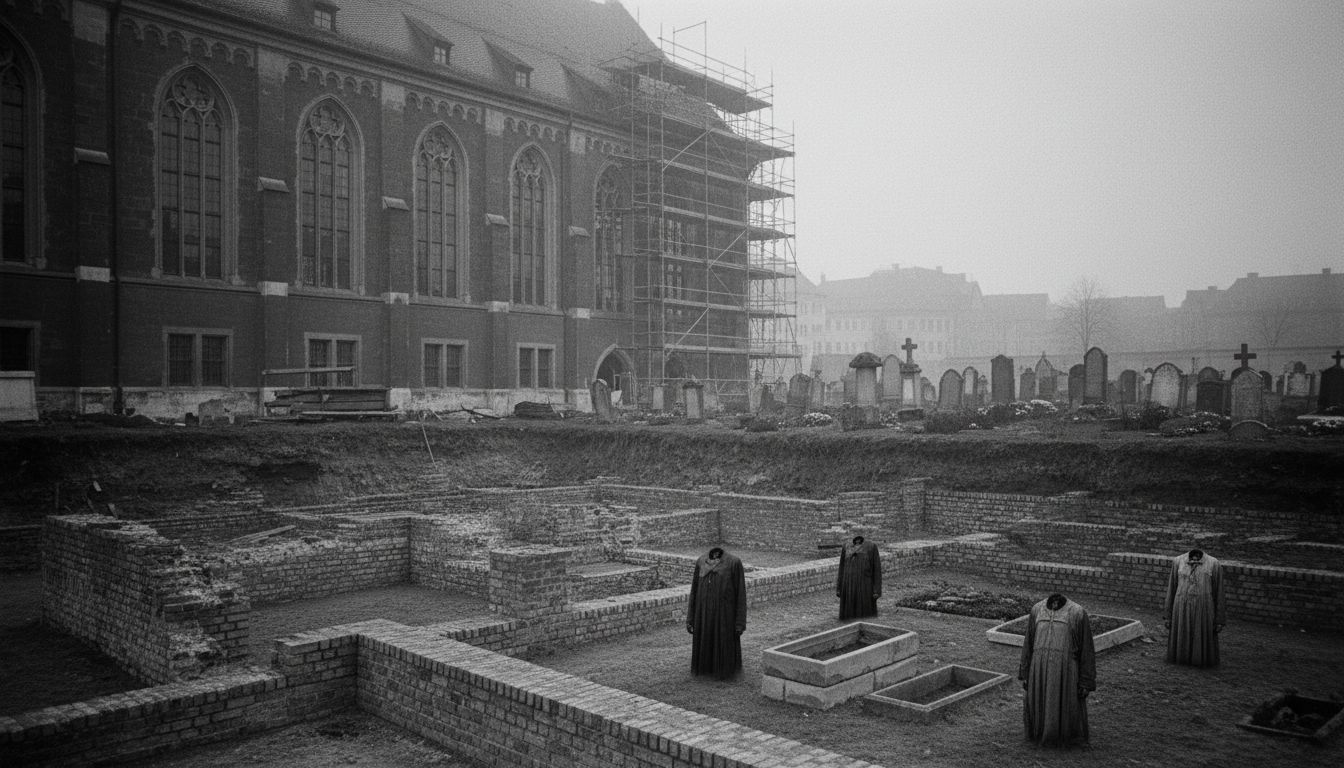
The prescribed remedy—exhumation and burning of the corpse—was believed to “cure themselves of the curse of the undead.” In many documented cases, the community would also perform rituals such as placing stones or bricks over the grave to prevent the body from rising. These actions were recorded in local town records and newspaper reports, lending a factual basis to what might otherwise seem purely mythic.
Scholarly Insight
Modern historians view the panic through the lens of medical misunderstanding and social anxiety. Dr. Emily Hawthorne, a professor of American folklore at Boston University, explains, “The vampire panic was less about literal undead creatures and more about a community’s attempt to make sense of a deadly disease that left families powerless.” She adds that the burning of bodies served a dual purpose: it was both a symbolic act of purification and a practical measure to prevent further spread of disease, especially in an era before germ theory was widely accepted.
The “Moon Mausoleum” piece, while dramatized, correctly highlights the connection between mortality, fear, and ritual. Its vivid language—referring to “homegrown, farm‑dwelling, dirt‑under‑their‑nails revenants”—captures the stark reality that ordinary people faced when confronting loss without scientific explanations.
Continuing Relevance
The New England Vampire Panic offers a cautionary tale about how societies react to health crises. Echoes of the 19th‑century hysteria can be seen in contemporary responses to pandemics, where misinformation and folklore sometimes compete with scientific guidance. By examining the grave‑digging and burning practices of New England farmers, researchers gain insight into the human need for agency amid uncertainty. As the article concludes, the panic “swept across the east coast” and left a lingering imprint on the region’s cultural memory—a reminder that fear, however unfounded, can shape collective action in profound ways.