Overview
The attic cell known as Cell Number 11 in Trondheim’s Norwegian Justice Museum has become a focal point for visitors who claim to experience unexplained sounds and sensations. The museum, housed in a former 19th‑century criminal asylum, draws history enthusiasts and, increasingly, those intrigued by reports of low‑level whispers, footsteps and other phenomena that some interpret as evidence of lingering activity. While the museum’s curators emphasize the building’s legal and architectural significance, the anecdotal accounts have sparked a modest wave of media interest and online discussion.
Historical Background
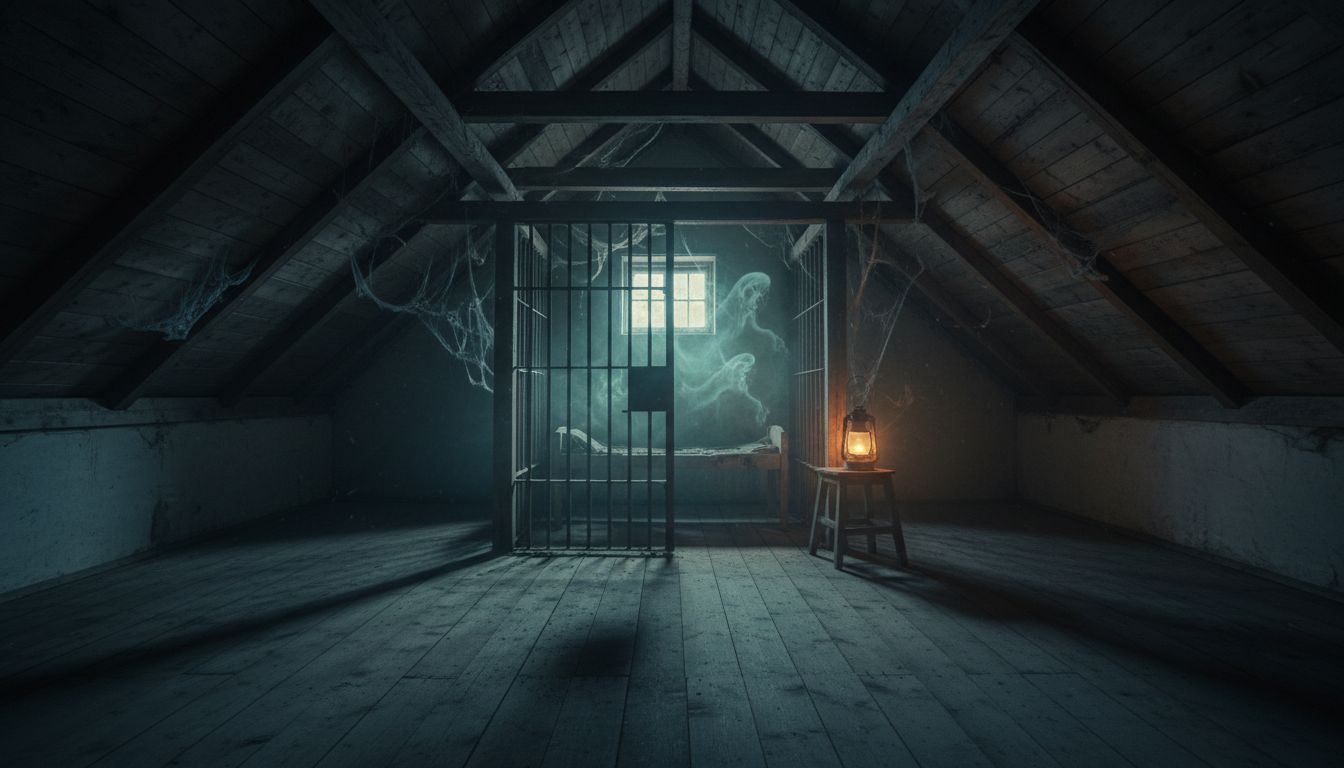
Constructed in 1833 as a prison and later repurposed in the mid‑1800s as a criminal asylum for the mentally ill, the structure on Erling Skakkes gate has long been associated with isolation and punitive treatment. The attic wing, where Cell 11 is located, was originally used to house inmates deemed “unfit for ordinary prisons,” a designation that reflected contemporary attitudes toward mental health and criminality. After the asylum closed, the building was transformed into the Norwegian Justice Museum, opening its doors to the public with exhibits that trace Norway’s penal history, from medieval law codes to modern forensic practices. The museum’s own archives confirm that the cell’s original dimensions and barred windows remain largely unchanged, preserving its austere atmosphere.
Recent Visitor Reports
Since the museum’s reopening to the public, a handful of visitors have reported hearing soft, indistinct murmurs and the faint echo of footsteps in the attic corridor, particularly during evening tours or after closing hours. One first‑time visitor, who asked to remain anonymous, described the experience as “a quiet, almost pleading voice that seemed to drift from behind the cell door, stopping as soon as I turned toward it.” Museum staff note that the building’s acoustics, with its high slanted roof and stone walls, can amplify ambient noises, and they advise guests that temperature fluctuations and creaking timber are common in historic structures. Nonetheless, the consistency of the reports—often occurring in the same cell—has led some to label Cell 11 as “the most talked‑about” spot in the museum’s folklore.
Expert and Institutional Perspective
Museum director Lars Olsen acknowledges the stories but cautions against drawing definitive conclusions. In a brief interview with local media, Olsen said, “Our primary mission is to preserve and interpret Norway’s justice heritage. While we respect the personal experiences of our visitors, we have no empirical evidence that the cell is haunted.” He added that the museum collaborates with the University of Trondheim’s Department of Psychology to monitor visitor feedback, aiming to distinguish between psychological suggestion and environmental factors. Dr. Karin Haugen, a researcher specializing in environmental psychology, explains that “historic sites often evoke strong emotional responses, and auditory pareidolia—where the brain interprets random sounds as meaningful—can account for many of these reports.” Both Olsen and Haugen emphasize that any investigation should remain grounded in documented observation rather than folklore.
Context and Ongoing Interest
The intrigue surrounding Cell 11 fits within a broader pattern of “haunted prison” narratives that attract both tourists and scholars. While the Norwegian Justice Museum continues to receive steady attendance for its educational exhibits, the cell’s reputation has added a modest boost to its visitor numbers, particularly among groups seeking “paranormal tours.” The museum has not altered the cell’s presentation, opting instead to provide informational signage that outlines its historical function and invites visitors to reflect on the human stories behind the architecture. As of the latest museum report, no formal paranormal investigation has been commissioned, and the institution maintains that any claims of supernatural activity remain anecdotal. Whether future research will uncover a physiological explanation or simply reinforce the power of place on perception, Cell 11 remains a compelling intersection of Norway’s legal past and contemporary cultural curiosity.