Overview
The death of Dr. Amy Eskridge, a physicist who had been working on anti‑gravity propulsion systems linked to unidentified aerial phenomena (UAP), has been ruled a suicide by local authorities. A video released by her family in early 2026, recorded shortly before her 2022 death, details a series of alleged threats—including harassment, forced drugging and what she described as energy‑weapon attacks. The footage has prompted renewed scrutiny of the original ruling and raised questions about possible interference with UAP‑related research.
The Video and Eskridge’s Claims
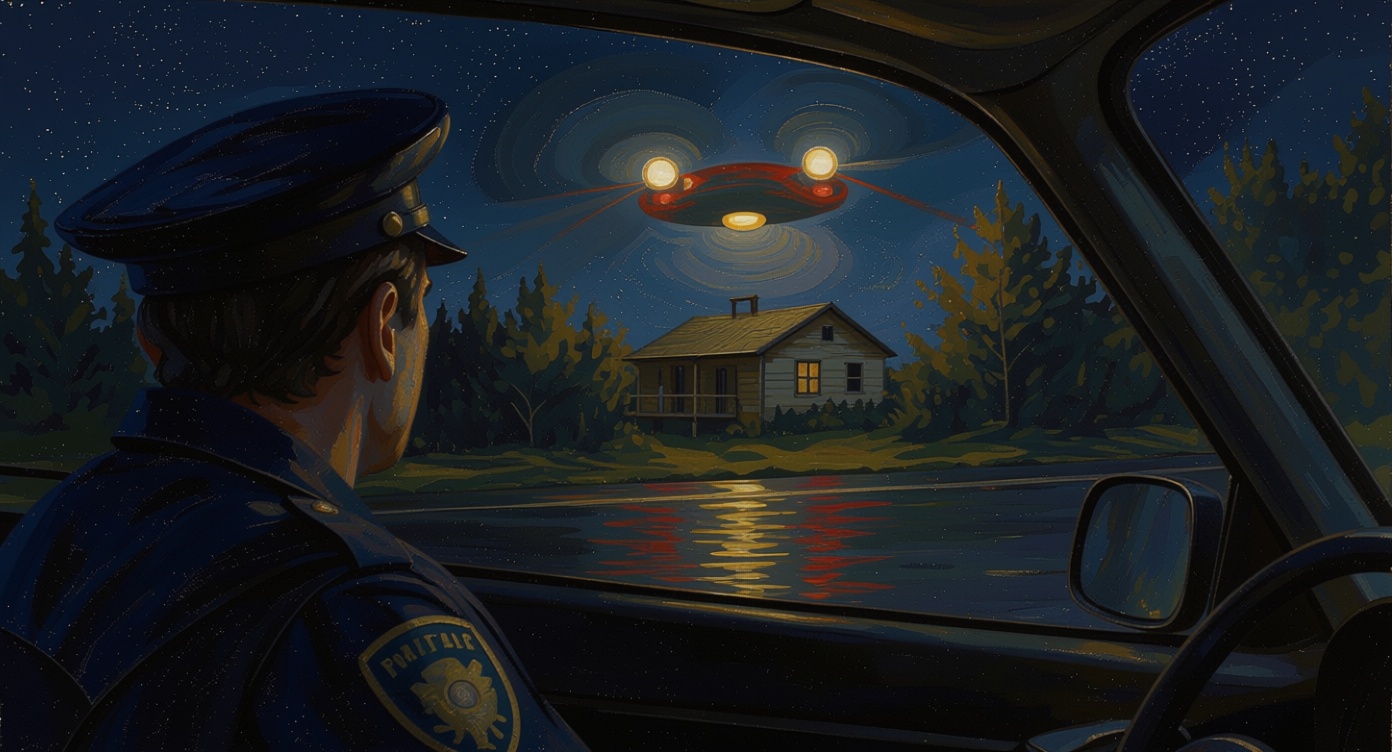
In the 12‑minute recording, Dr. Eskridge speaks directly to the camera, describing a pattern of intimidation that began in late 2021 after she joined a classified project at a Huntsville‑area laboratory. She reports that “unidentified drones hovered over my house at night, emitting a low‑frequency hum that made my skin tingle,” and that she experienced “sharp bursts of light followed by a feeling of being knocked off my feet.” Eskridge also alleges that she was administered an unknown sedative by a “research assistant” who later claimed the medication was for “stress relief.” She concludes the video by stating she feared for her life and would “not be silenced by any force, seen or unseen.”
Colleagues Echo Similar Experiences
Several of Eskridge’s former collaborators have corroborated aspects of her account. Dr. Michael Torres, a senior engineer who worked on the same propulsion prototype, told reporters, “Amy confided in me that she felt monitored. She mentioned strange interference with her lab equipment and unexplained power spikes.” A second colleague, Dr. Leila Hassan, added, “We noticed anomalous electromagnetic readings in the lab during the final testing phase—readings that matched the description Amy gave of the ‘energy bursts.’” Both scientists say they reported these incidents to the laboratory’s security office in early 2022, but were told the matter was “under internal review.”
Official Response and Ongoing Investigation
The Huntsville Police Department, which originally classified the death as a suicide, has now opened a re‑examination of the case following a formal request from Eskridge’s estate. In a brief statement, Police Chief Robert L. Greene said, “We are reviewing all available evidence, including the newly released video, to determine whether any additional investigative steps are warranted.” Meanwhile, the Pentagon’s All‑Domain Anomaly Resolution Office (AARO) declined to comment on the specifics of Eskridge’s work but reiterated its commitment to “transparent oversight of all UAP‑related research.” Congressional staffers have also signaled interest, with Representative Jamie Collins (R‑AL) announcing a forthcoming hearing on “potential threats to scientists working on advanced propulsion technologies.”
Context Within the UAP Landscape
Eskridge’s research was part of a broader effort, funded in part by the Department of Defense, to explore non‑conventional propulsion that could explain some of the high‑velocity, maneuverable objects documented in recent UAP reports. The 2021 Office of the Director of National Intelligence (ODNI) assessment acknowledged that “some UAP sightings may involve advanced physics beyond current understanding.” Critics have warned that the secrecy surrounding such programs could make researchers vulnerable to both external intimidation and internal security pressures. Eskridge’s case adds a human dimension to these concerns, highlighting the need for robust protective measures for scientists operating in classified environments.
Next Steps and Implications
If the re‑investigation uncovers evidence of foul play, it could have far‑reaching implications for the handling of UAP research and the safety protocols governing classified scientific work. Legal experts suggest that the family may pursue a wrongful‑death suit, while advocacy groups are calling for an independent review board to oversee future projects involving potentially sensitive technologies. As the investigation proceeds, the scientific community watches closely, hoping that the outcome will clarify whether Dr. Eskridge’s tragic death was the result of personal despair, external coercion, or a combination of both. The case underscores the delicate balance between national security interests and the ethical responsibility to protect researchers at the frontier of physics.