Overview
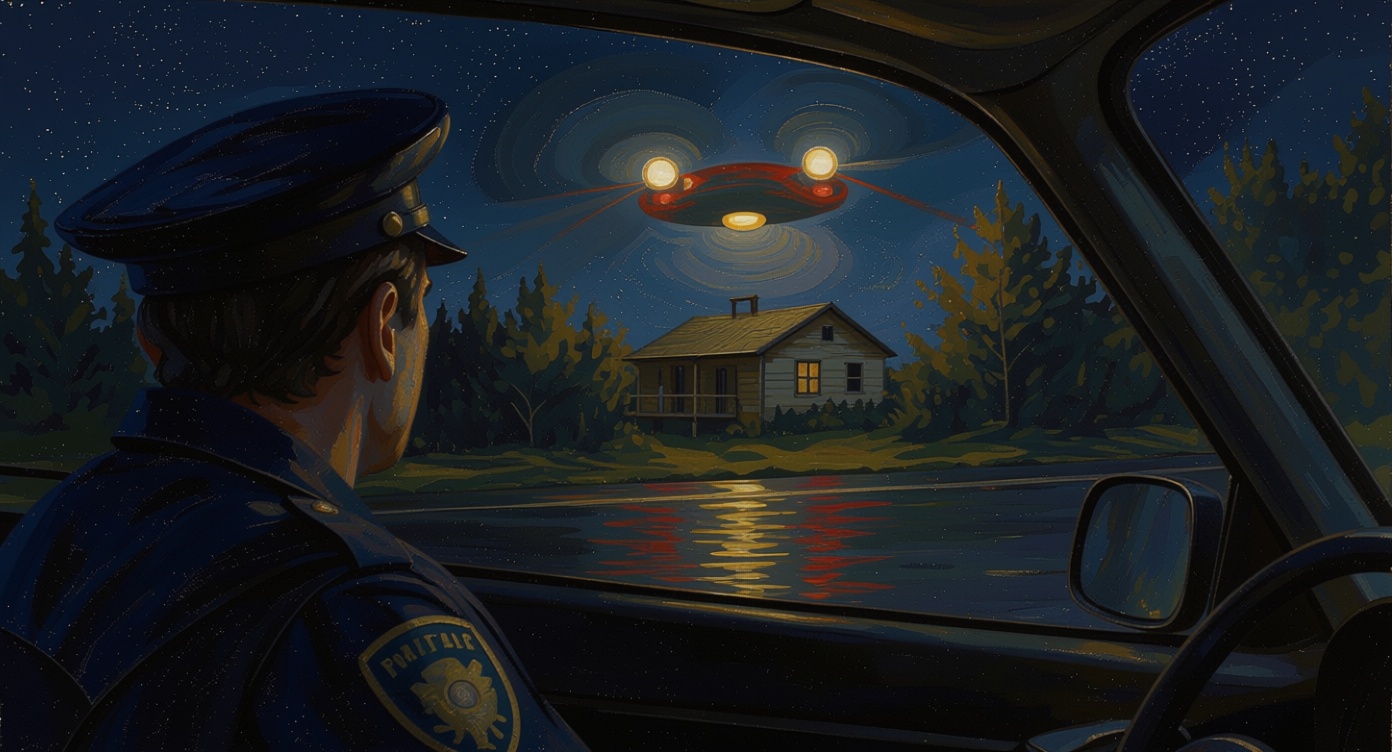
A blog post published on Astronutter.com on January 18 2026 claims to reveal “new whistle‑blower‑style information” about an alleged UFO crash. Authored by self‑identified researcher Christina Gómez, the entry—titled “NEW INFORMATION JUST DROPPED ABOUT UFO CRASH!”—has quickly circulated through online UFO forums and social‑media channels, accompanied by hashtags such as #UFOCrash, #Whistleblower, and #UFODisclosure. While the post itself offers only brief statements and no verifiable documentation, its emergence has reignited debate over decades‑long claims of extraterrestrial craft recoveries.
New Claims Presented by Gómez
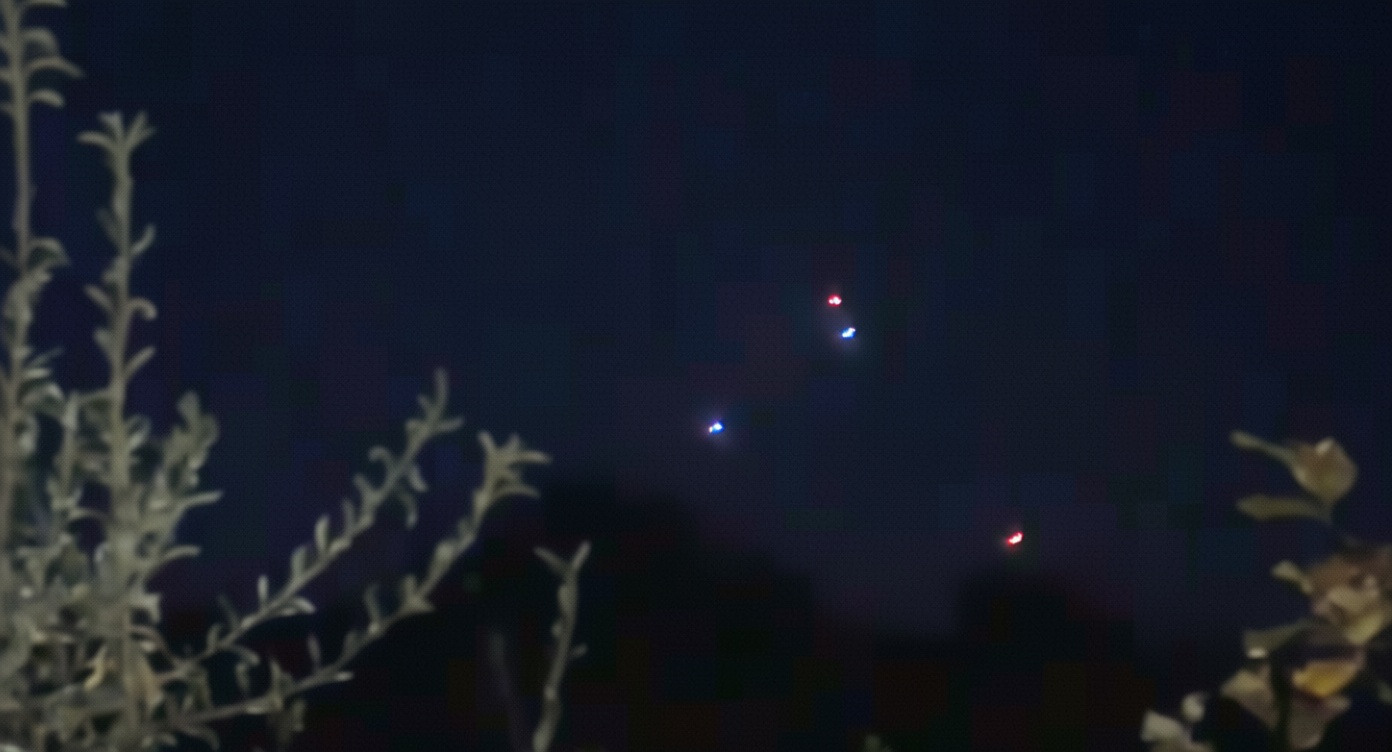
According to the blog excerpt, Gómez alleges that a previously classified incident involving a downed unidentified aerial phenomenon (UAP) was “recently de‑classified” and that “key witnesses” are now prepared to speak. She references “internal memos” and “photographic evidence” purportedly obtained from a source within a federal agency, but the post does not provide links, file names, or any visual material that can be independently examined. The narrative suggests the crash occurred on U.S. soil, though no specific location, date, or operational details are disclosed. Gómez emphasizes that the information is “whistle‑blower‑like,” implying personal risk for the source, and urges readers to “stay tuned for full documents” in upcoming updates.
Community Reaction
Within the UFO‑enthusiast sphere, the post has generated a surge of discussion. Reddit’s r/UFOs and the Facebook group “UFO Disclosure Network” posted threads quoting the blog’s headline and sharing the aforementioned hashtags. Some members have expressed cautious optimism, noting that “every new claim pushes the conversation forward,” while others remain skeptical, pointing out the absence of corroborating evidence and the blog’s history of speculative posts. The rapid spread of the story illustrates how digital platforms amplify unverified claims, a pattern observed in prior incidents such as the 2020 release of the Navy’s “Gimbal” and “GoFast” videos.
Expert and Official Perspective
UFO researchers and government‑affairs analysts caution against drawing conclusions from a single, unverified source. Dr. Jacqueline Miller, senior fellow at the Center for Aerospace Policy, remarked, “Extraordinary claims require extraordinary evidence. Until the alleged memos or photographs are made public and authenticated, the claim remains anecdotal.” Similarly, a spokesperson for the Office of the Director of National Intelligence (ODNI) declined to comment on the specific blog post but reiterated the agency’s commitment to transparency, noting that the 2023 UAP Report acknowledged “limited data” on many incidents and that any newly de‑classified material would be released through official channels.
Context and Historical Background
The notion of a secret UFO crash is not new. The most famous example, the Roswell incident of 1947, has been repeatedly examined, debunked, and mythologized over the decades. More recent government acknowledgments—such as the Pentagon’s 2021 admission of a UAP task force and the 2022 release of classified videos—have lent credibility to some aspects of the UFO discourse, yet they have not confirmed any recovered craft. Gómez’s claim therefore fits within a broader pattern of whistle‑blower‑styled revelations that surface intermittently, often lacking the documentation needed for rigorous verification.
What Comes Next?
The blog author promises to release the purported documents “in the coming weeks.” Observers advise that any forthcoming material should be subjected to forensic analysis, chain‑of‑custody verification, and cross‑referencing with existing government disclosures. Until such steps are taken, the story remains a rumor in the public domain, albeit one that underscores the persistent public appetite for answers about unidentified aerial phenomena. Researchers, journalists, and policymakers will likely monitor the situation closely, ready to assess any new evidence against the stringent standards required for credible disclosure.