Overview
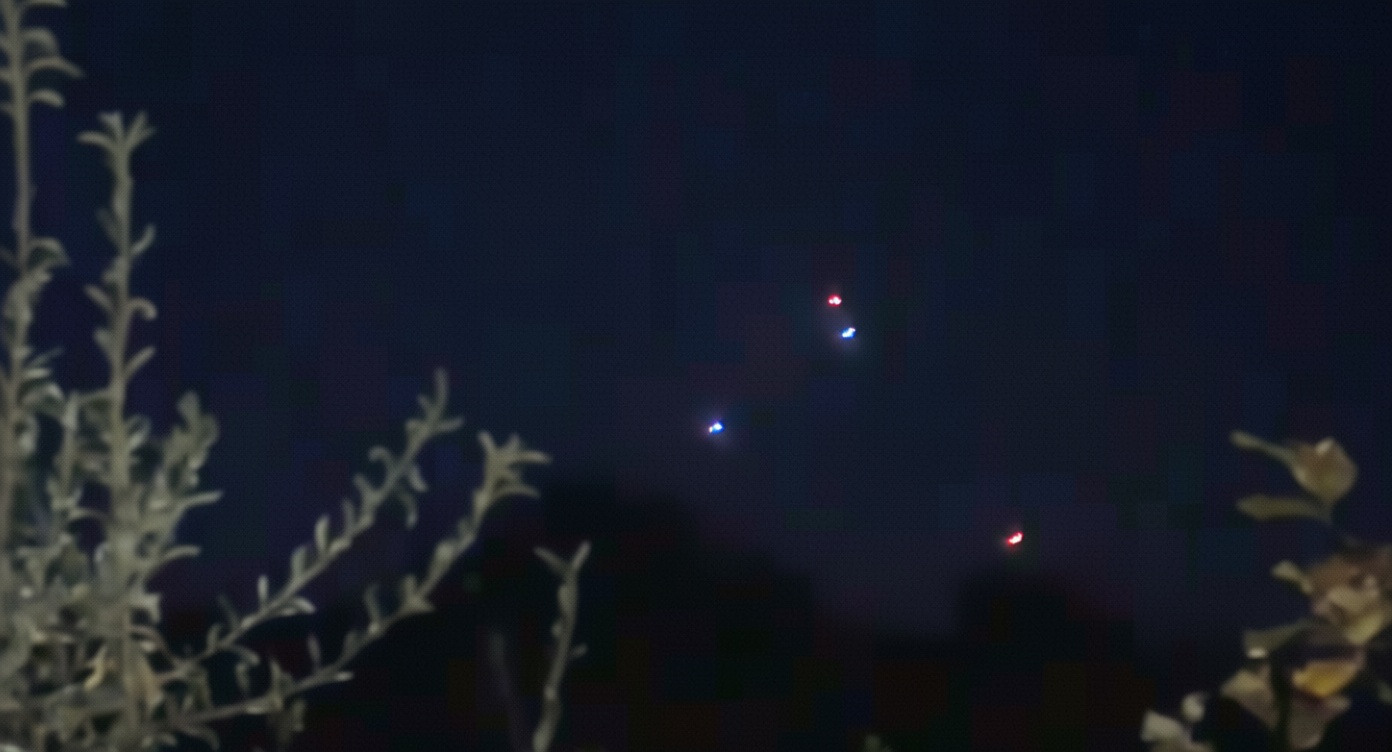
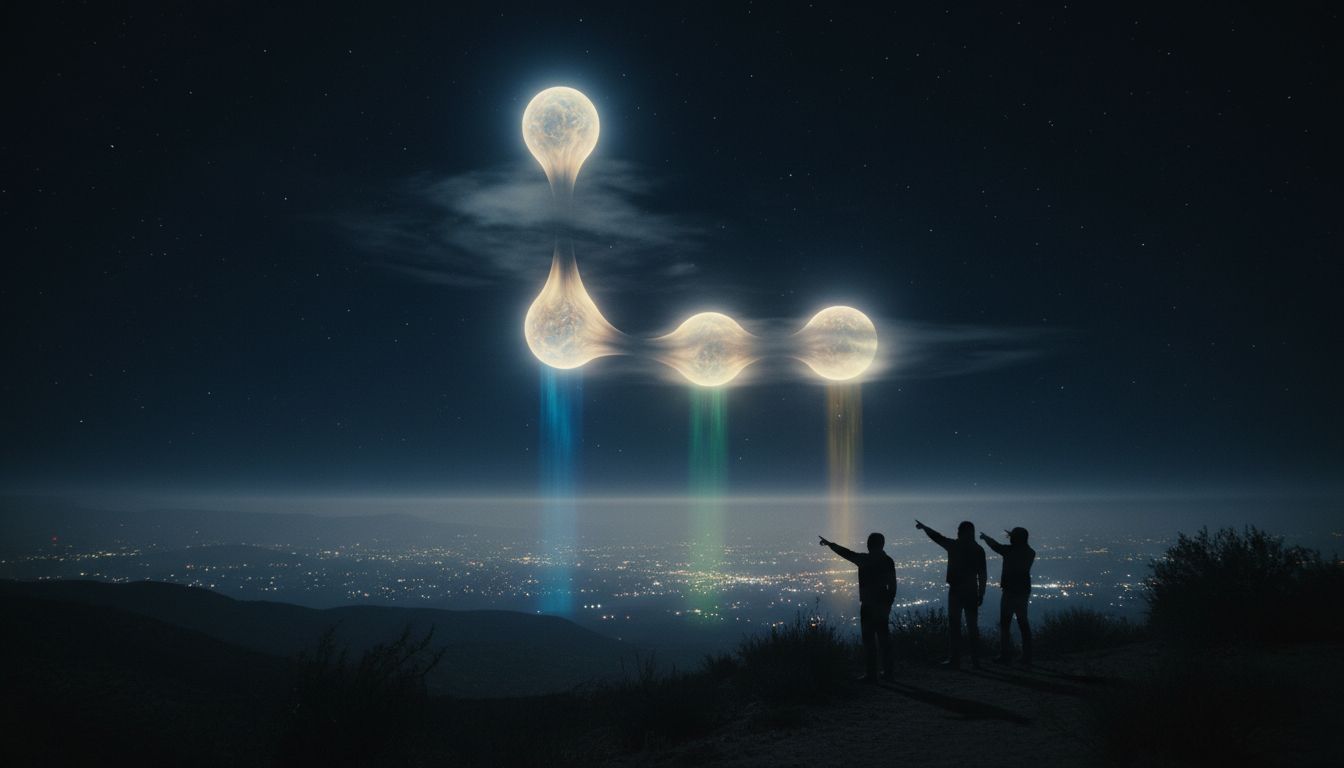
On the evening of December 10, 2025, multiple residents of Chula Vista, California, reported observing a formation of four bright objects that appeared to hover in a distinct “L” shape before slowly converging into a single point of light. The sighting, logged at approximately 8:17 p.m. local time, has quickly become one of the most recent UAP (Unidentified Aerial Phenomena) reports to attract attention from both local authorities and national investigators. Initial checks on Flightradar24 showed no commercial or private aircraft operating in the vicinity at the reported time, and no known satellite passes corresponded to the described behavior.
Witness Accounts
The primary witness, identified as 34‑year‑old software engineer Miguel Alvarez, described the objects as “bright, white‑blue lights, roughly the size of a car, arranged in an L‑shaped pattern about 200 feet apart.” He added that the lights “remained perfectly still for a few seconds, then began to drift inward at an incredibly slow pace—about a foot per second—until they merged into a single, brighter glow that vanished within a minute.” A second observer, 27‑year‑old student Leah Kim, corroborated the motion, noting, “It wasn’t a flicker or a flash; it was a deliberate, almost graceful movement, like four fireflies deciding to become one.” Both witnesses reported no audible sounds, no ground vibrations, and no discernible exhaust plumes.
Verification Efforts
Following the reports, the Chula Vista Police Department opened a non‑criminal inquiry, consulting the National UFO Reporting Center (NUFORC) and the U.S. Department of Defense’s Unidentified Aerial Phenomena Task Force (UAPTF). Preliminary radar data from the Federal Aviation Administration (FAA) showed a brief, low‑altitude return that could not be matched to any registered aircraft, but the signal was too weak to yield a definitive track. Independent verification from Flightradar24 confirmed the absence of any commercial flights within a 30‑mile radius, and the California Department of Transportation’s traffic cameras captured a faint, stationary light in the sky consistent with the witnesses’ description, though the footage lacks the resolution needed for detailed analysis.
Contextual Background
The Chula Vista incident arrives amid a surge of civilian UAP reports that have prompted renewed governmental scrutiny. In the past year, the Office of the Director of National Intelligence released an unclassified assessment highlighting 144 incidents with “potentially advanced flight characteristics,” urging more systematic data collection. Meanwhile, NASA’s UAP Study Team, formed in early 2024, has begun collaborating with academic institutions to develop standardized reporting protocols. The L‑formation and subsequent merging observed in Chula Vista is notable because it mirrors patterns documented in several recent sightings across the Southwest, where multiple lights exhibit coordinated motion without any known control input—a behavior that challenges conventional aircraft dynamics.
Outlook
Authorities plan to release a comprehensive report once all sensor data, including satellite imagery and radar logs, have been fully examined. Dr. Elena Martinez, a senior researcher at the UAP Research Institute, cautioned, “While the lack of conventional aircraft signatures is intriguing, we must remain methodical and avoid premature conclusions. The merging motion could indicate a novel atmospheric phenomenon or a new class of unmanned aerial system.” The Chula Vista community, meanwhile, has organized a town‑hall meeting scheduled for early January to discuss the incident and address public concerns. As investigations continue, the sighting adds another data point to the growing body of UAP evidence, underscoring the need for transparent, science‑based inquiry into aerial anomalies that defy easy explanation.