Overview
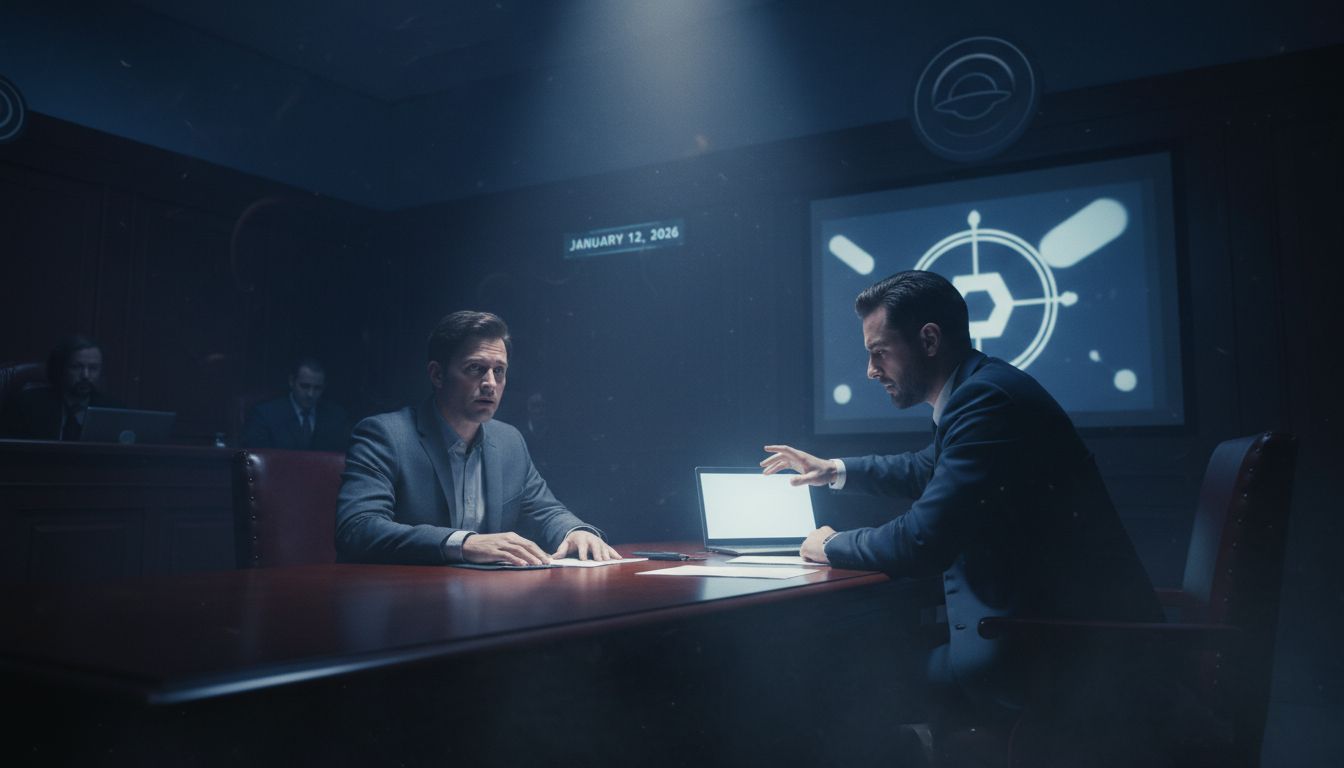
A newly surfaced video, uploaded on January 12, 2026, has brought fresh scrutiny to Corey Goode, a figure well-known within the UFO and "Secret Space Program" communities. The video, hosted by Steven Cambian of the Truth Seekers channel, features extended footage from Goode’s court deposition—public records from a lawsuit filed in the US District Court for the District of Colorado. At the center of the controversy are Goode's admissions under oath that some of his most sensational claims about secret space missions, alien encounters, and time travel were “dramatized,” raising pointed questions about the veracity of his narratives.
A Pattern of Legal Intimidation
Steven Cambian, the video’s narrator, emphasizes that Goode has attempted to suppress the circulation of these deposition videos through what he calls a “wave of copyright terrorism.” According to Cambian, Goode filed multiple copyright strikes against YouTube channels, including Truth Seekers, to prevent the depositions from being seen. “He even claimed I’ve been reported to the police for it all,” Cambian recounts, framing these actions as part of a broader pattern in which Goode uses legal threats and intimidation to silence critics.
“This isn’t just an attack on me,” Cambian states. “It’s part of a long pattern of legal threats, bogus lawsuits, and intimidation tactics aimed at silencing his online critics.” He alleges that Goode has previously boasted about detractors being under investigation by authorities, further fueling a climate of fear within the critical community.
The Deposition: Public Record and Public Interest
The deposition footage, central to the video, is introduced as a matter of public record. The legal proceedings, stemming from a lawsuit where Goode was a plaintiff, are openly described by the court videographer and attorneys present. Despite Goode’s team initially designating the deposition as “confidential,” Cambian and others argue that such sworn testimony, once filed in federal court, is not subject to private copyright claims.
“Good doesn’t own them. He can’t claim copyright over sworn testimony that’s already out there for the world to see,” Cambian asserts, urging viewers to download and share the deposition widely to counteract efforts at suppression. The video thus becomes both a news item and a call to action, positioned as a defense of free speech and transparency in the often opaque world of UFO claims.
Admissions and Implications
While the video does not detail every statement from the deposition, it highlights that Goode—under oath—admits to having dramatized aspects of his secret space program stories. This revelation directly undermines years of elaborate narratives involving extraterrestrial contact, advanced technology, and covert military operations in space. For many followers and financial supporters, these admissions could represent a significant breach of trust.
The implications extend beyond Goode himself. The video frames the situation as a cautionary tale about the broader UFO community, where “bullies… use the law as a weapon to hide their lies.” Cambian’s message is clear: the truth should not be subject to legal intimidation, and public records must remain accessible for scrutiny and debate.
Moving Forward
The release and circulation of Corey Goode’s deposition mark a pivotal moment for accountability in the UFO disclosure movement. As more observers have access to the raw, unfiltered testimony, the community is prompted to reconsider the boundaries between entertainment, belief, and documented evidence. "The truth doesn’t strike back, it just shines brighter," Cambian concludes, underscoring a renewed commitment to transparency in the ongoing search for answers about our place in the universe.