Overview
Christian theologian Brandan Robertson argues that the existence of non‑human intelligence is “almost a fact” given the sheer scale of the cosmos and the rapid shift in public opinion. In a recent Substack essay, he notes that a 2021 Pew Research poll found a majority of Americans now believe intelligent life exists beyond Earth—a stark contrast to the ridicule surrounding UFO discussions two decades ago. Robertson situates this cultural change alongside growing scientific confidence, citing a 2025 Durham University survey in which most astronomers consider extraterrestrial intelligence highly probable.
Cultural and Scientific Context
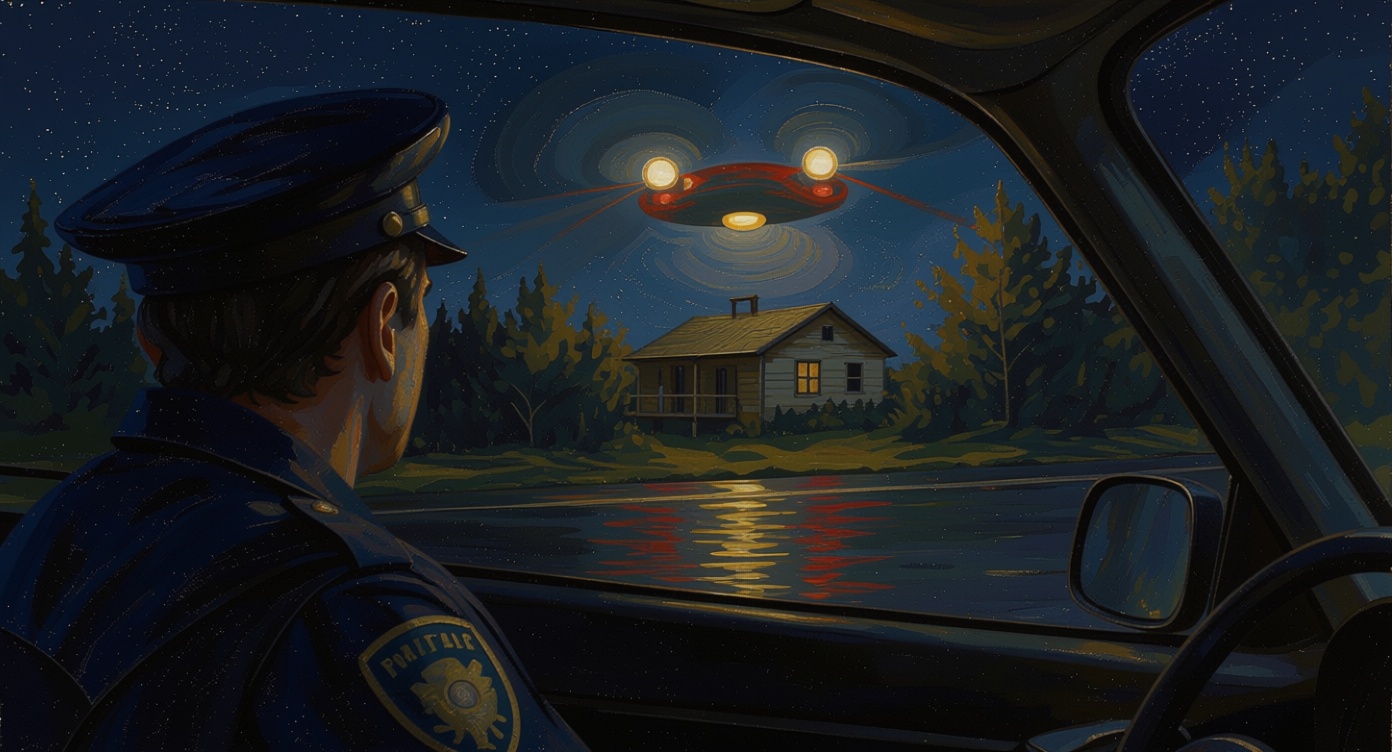
The transformation from fringe speculation to mainstream acceptance has been driven by both empirical research and the steady release of previously classified information. Over the past ten years, astronomers have identified thousands of exoplanets within habitable zones, expanding the statistical basis for the Drake Equation’s optimistic estimates. Simultaneously, the U.S. government has declassified a series of videos and reports that, while not confirming alien life, acknowledge unidentified aerial phenomena (UAP) as “objects that merit further scientific analysis.” Robertson interprets these developments as an “age of disclosure,” suggesting that forthcoming revelations will likely clarify whether any observed craft are of terrestrial, extraterrestrial, or unknown origin.
Possibility of Interaction
Robertson does not claim that Area 51 houses alien beings, but he entertains the notion that some government officials may possess “evidence of interaction with a craft, a being, or some other evidence.” He points to testimony from senior Pentagon officials—recorded in the documentary Age of Disclosure—that describe certain UAP encounters as potentially “demonic.” While acknowledging these interpretations, Robertson emphasizes that “humanity has already proven it is ready” for a serious, non‑panic‑driven discussion about non‑human intelligence. He argues that such a dialogue is unlikely to destabilize economies or societies, citing historical precedents where scientific breakthroughs (e.g., the moon landing) were integrated without mass chaos.
Theological Implications
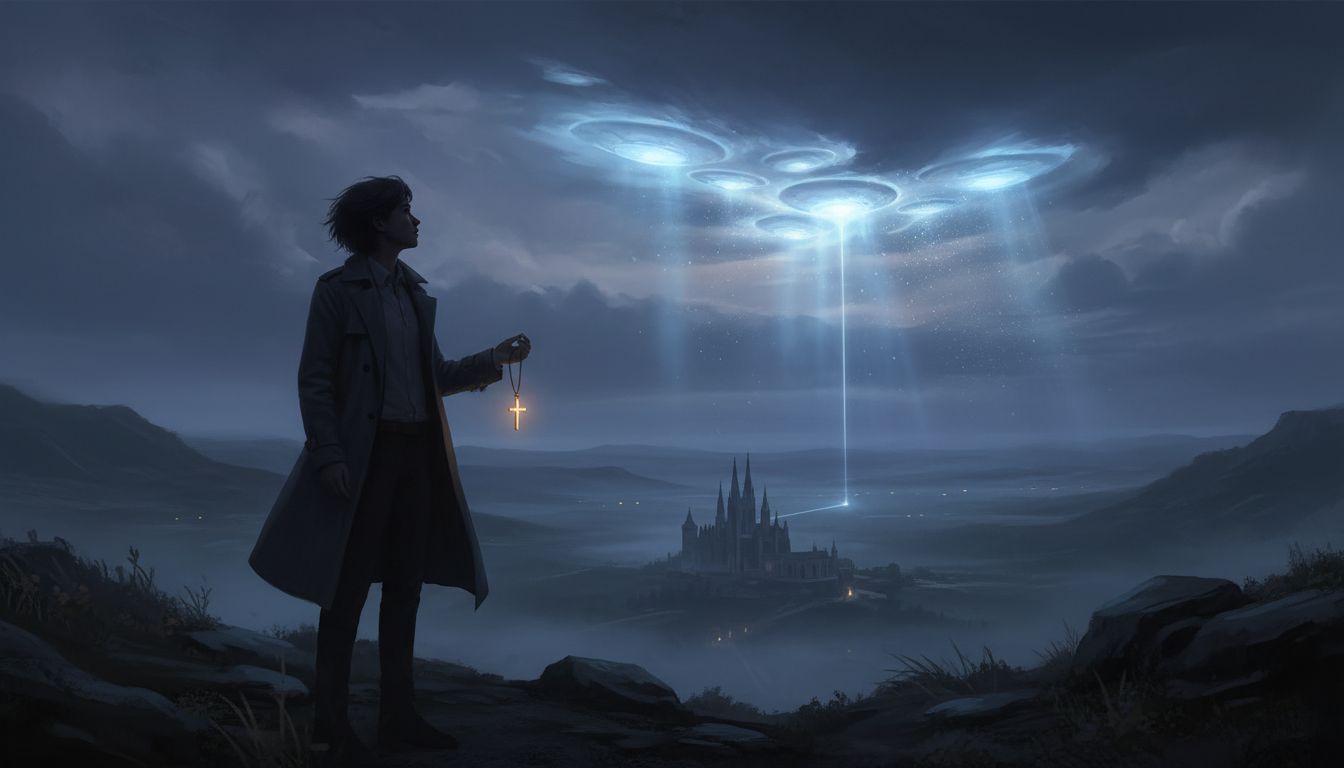
The prospect of extraterrestrial life raises profound questions for Christian theology, a subject Robertson finds especially compelling. He references Vatican astronomer Fr. Richard D’Souza, who suggested in 2025 that discovered intelligent beings could be candidates for baptism—a view that presumes they are subject to original sin and in need of salvation. Robertson notes that this stance “assumes traditional Catholic theology applies universally,” a point that may not sit comfortably with all denominations. Many Protestant and Orthodox traditions view humanity as the pinnacle of creation, with salvation history centered on Christ’s incarnation. The arrival of non‑human intelligences could therefore challenge entrenched doctrines about the uniqueness of human redemption.
Reactions and Outlook
Conservative religious commentators have responded with caution, if not outright skepticism. Television host Michael Knowles has labeled UFO phenomena as “demons,” reflecting a broader tendency among some evangelical leaders to interpret unknown aerial sightings through a spiritual warfare lens. Robertson cautions against such idolatry of speculation, urging believers to maintain theological humility while remaining open to the possibility that God’s creativity may extend beyond Earth. He concludes that as government disclosures continue and scientific inquiry advances, “the conversation will shift from sensationalism to sober theological reflection,” offering an opportunity for faith communities to engage with one of humanity’s most enduring mysteries.