Overview
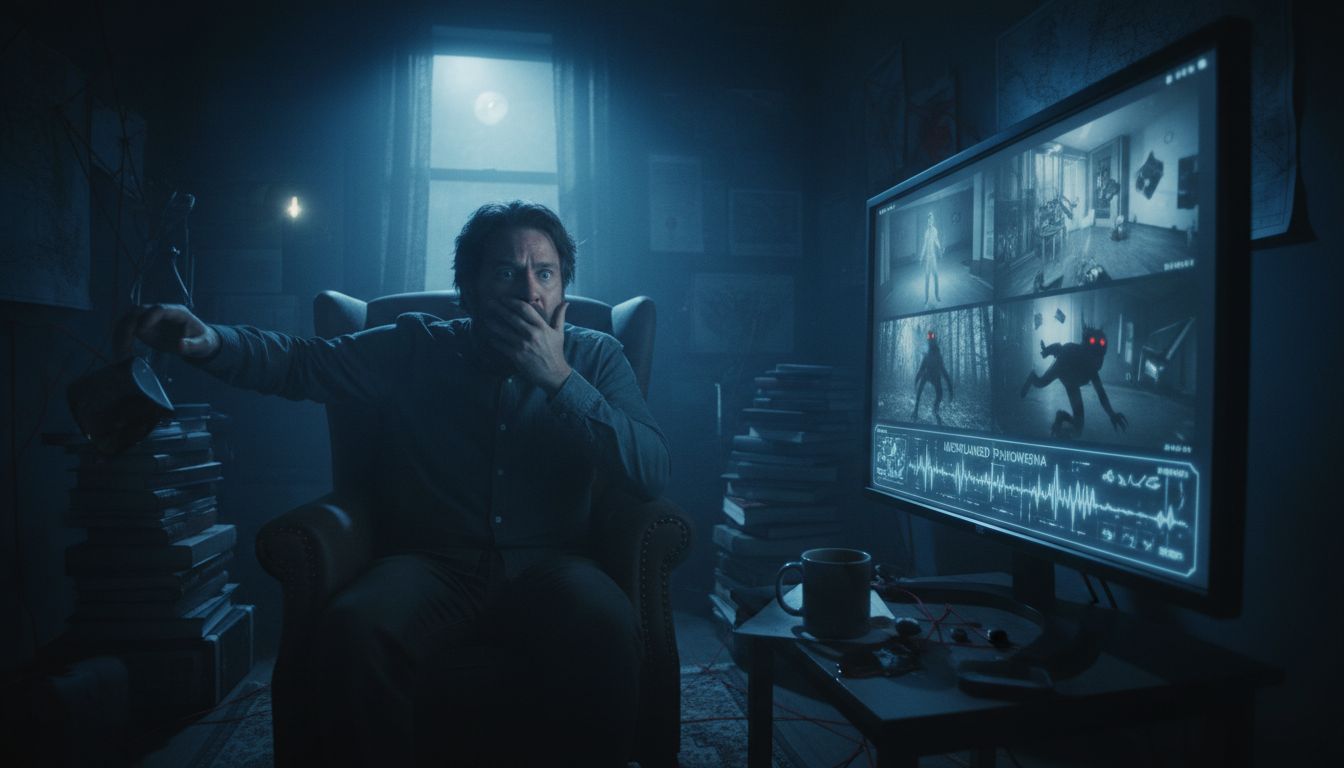
In a recent YouTube segment, paranormal commentator Wes Pinkston examined a compilation of TikTok videos that have been circulating under the banner “Creepy TikTok Videos V.44.” The clips feature a range of alleged supernatural phenomena—from ghostly silhouettes captured on home‑security cameras to unidentified aerial objects (UAP) recorded near a military installation. Pinkston’s primary aim was to separate verifiable evidence from the myriad of digital artifacts, camera glitches, and staged pranks that frequently proliferate on social media. He concluded that “the overwhelming majority of these viral moments can be explained by ordinary technical or environmental factors,” urging viewers to maintain a skeptical lens when encountering such content online.
Key Incidents and Initial Debunking
The first clip analyzed originated from a Ring doorbell camera belonging to Sarah Hughes in Bisbee, Arizona. The device flagged a “person detected” alert and displayed a distorted figure that seemed to vanish mid‑frame. Pinkston identified the anomaly as a classic low‑light processing error, noting that the camera’s infrared illumination often produces “pixel‑level noise that can masquerade as a human shape.” He emphasized that the underlying motion sensor was triggered by a legitimate passerby, whose image was simply warped by the sensor’s algorithm.
Subsequent footage from TikTok creator Tranquiliteabotanicals included an exercise ball rolling on its own and a baby‑monitor recording of a “male voice.” Pinkston traced the ball’s movement to uneven flooring and subtle drafts from an HVAC system, while the audio, upon spectrographic analysis, matched the mother’s voice instructing her children to “wash your hands.” By cross‑referencing the waveform with known speech patterns, he demonstrated that “there was no acoustic evidence of an unknown speaker.”
Scrutinizing More Controversial Clips
The commentator turned his attention to material posted by author Kyle Anthony, a frequent purveyor of paranormal content. Anthony’s video showed ceiling fans rotating without power and bar stools shifting positions. Pinkston highlighted Anthony’s history of employing jump cuts and post‑production effects to boost engagement, stating that “without raw, unedited footage, it is impossible to rule out deliberate manipulation.”
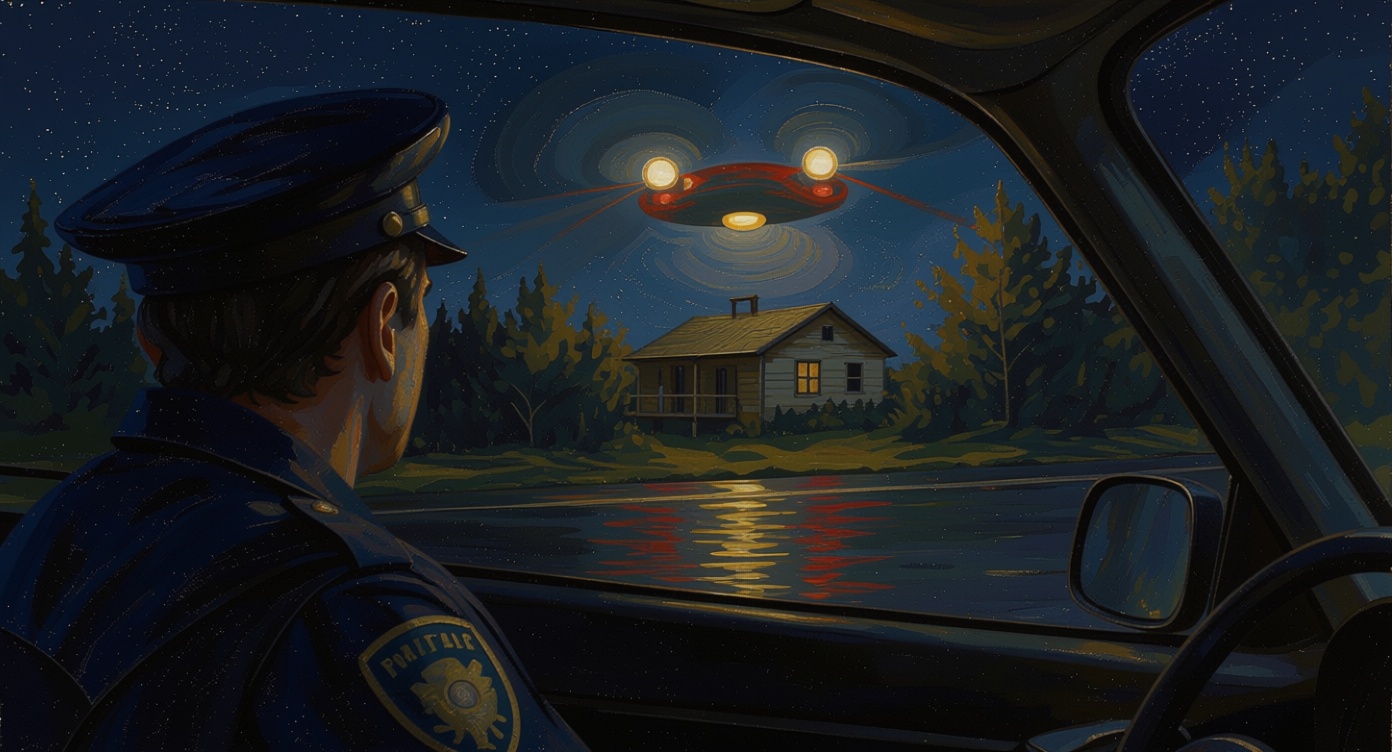
A brief segment featured a two‑minute aerial recording near Nellis Air Force Base. While the craft appeared sharply defined against the night sky, Pinkston argued that any genuine interplanetary vehicle would require navigation lights and a propulsion signature detectable by radar. He posited that the footage was more plausibly a “black‑project test flight or a digitally fabricated clip using a VHS‑style filter for aesthetic authenticity.”
Notable Anomalies and Remaining Questions
Among the reviewed videos, the most unsettling was a night‑time hospital hallway clip showing a shadowy figure emerging from a patient room. Pinkston noted the absence of a corresponding shadow on the hallway wall—a discrepancy that often indicates compositing in video editing software. Nevertheless, he conceded that “the depth of field and ambient lighting make this one of the harder‑to‑dismiss examples,” though he stopped short of labeling it paranormal.
Another high‑engagement clip captured a kitchen drawer opening on its own in a rental cabin, garnering 1.4 million likes. Pinkston suggested a simple mechanical explanation: a hidden hand or a misaligned drawer latch. He stressed that viral metrics frequently incentivize creators to stage dramatic moments, noting that “the algorithm rewards shock value, not authenticity.”
Conclusion
Pinkston’s systematic review underscores a broader trend: viral “creepy” content often thrives on the intersection of low‑resolution technology, human perception biases, and the pursuit of social‑media virality. While a few recordings remain ambiguous, the analyst’s evidence points to camera artifacts, environmental factors, and intentional staging as the primary drivers behind most of the TikTok phenomena. His final admonition to viewers is clear: “**Approach every sensational clip with a healthy dose