Overview
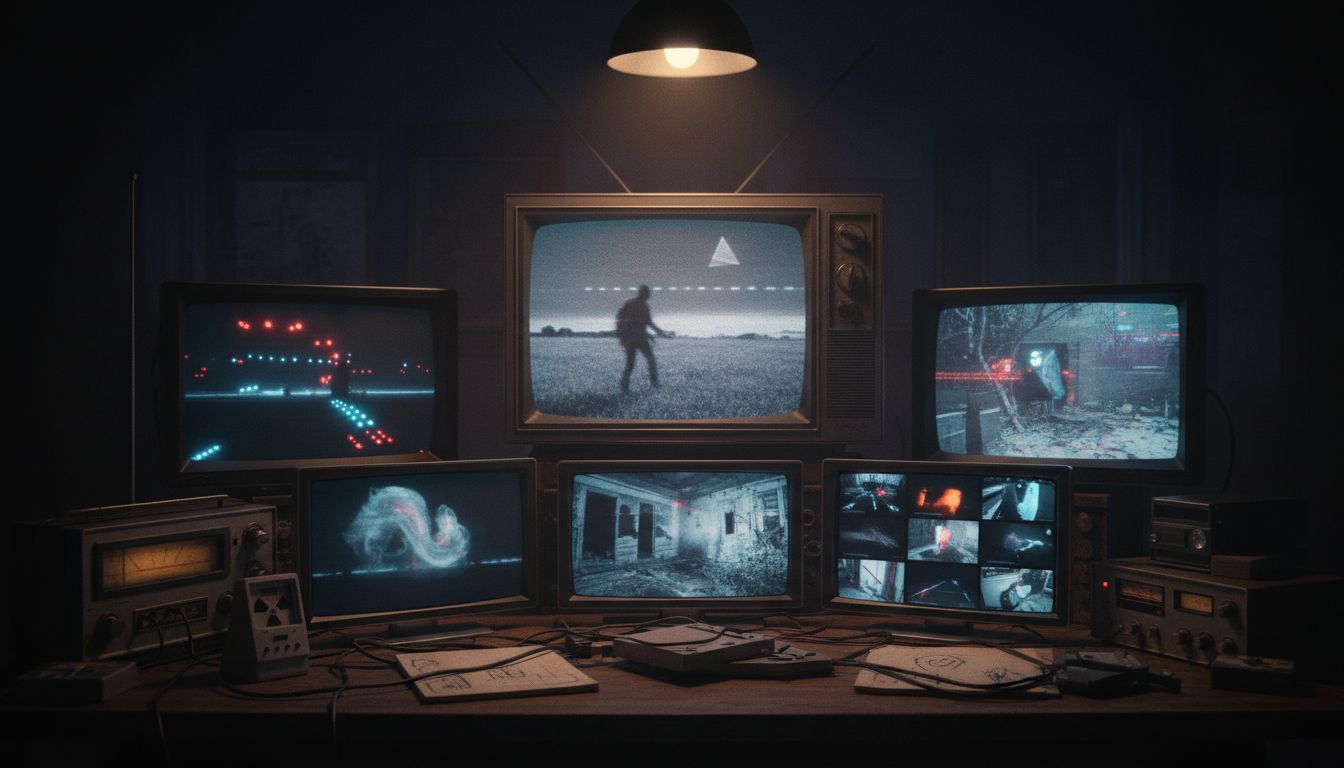
A recent YouTube compilation titled Creepy TikTok Videos V.48 presents a commentator’s critique of a series of videos that have circulated within UFO, ghost‑watching, and broader paranormal communities. The creator systematically examines each clip, assessing authenticity, production techniques, and the potential psychological impact on viewers. While the footage ranges from alleged levitating objects to near‑miss traffic incidents, the analysis repeatedly points to practical staging, digital artifacts, and ethical red flags rather than unexplained phenomena.
Key Findings
The commentator highlights several recurring patterns that suggest deliberate fabrication. In the “Floating Doll” segment, a video posted by user darktcha shows a baby doll hovering above a disordered room. The analyst argues that simple rigging—such as fishing line or ceiling hooks—can produce the effect, especially in dim lighting where depth cues are obscured. Similarly, the “Intruder” clip from logan_locke features a woman filming a man outside her window, followed by a sudden closet noise. The presence of a tripod‑mounted camera and what the commentator describes as “professional‑grade voice acting” leads him to conclude the scene was staged for social‑media engagement rather than being a spontaneous encounter.
Ethical and Legal Concerns
One of the more troubling excerpts involves a video by hilldog22, which purportedly captures an overnight caregiver filming a patient who “cannot walk” yet appears to stand and move in the background. The commentator raises the possibility of HIPAA violations, noting that recording a vulnerable individual without consent could breach federal privacy regulations. This observation underscores a broader issue within the viral‑video ecosystem: the line between entertainment and exploitation can become blurred, especially when content creators prioritize shock value over respect for subjects’ rights.
Technical Explanations
Across multiple clips, the analyst attributes eerie visuals to camera limitations rather than supernatural forces. For instance, a “hunched shadow ghost” posted by iheartdestinnee is explained through the camera obscura effect and digital noise, with the commentator asserting that “99 % of what viewers perceive as ghosts in low‑quality security footage is actually camera distortion.” The “Demonic Voices” video from poorjustryan, which mimics the iconic “Billy” puppet from Saw, is dismissed as “complete BS” because the recorder does not react to the loud, clearly audible voice—a behavior inconsistent with genuine surprise or fear. Additionally, a dash‑cam style recording by miss_3ms shows a school bus narrowly avoiding a train, a real‑world danger that the analyst uses to contrast genuine hazards with manufactured scares.
Conclusion
The compilation’s overarching message is a call for media literacy. While some clips—most notably the levitating doll—remain visually unsettling, the preponderance of evidence points to sophisticated staging, high‑production “burner” accounts, and technical glitches rather than unexplained phenomena. The commentator urges viewers to “sniff out the BS” and approach viral paranormal content with a critical eye, acknowledging that well‑produced horror can entertain but should not be conflated with credible evidence of UFOs, UAPs, or the supernatural. This measured assessment reinforces the need for rigorous verification in an era where digital manipulation is increasingly accessible.


