Overview
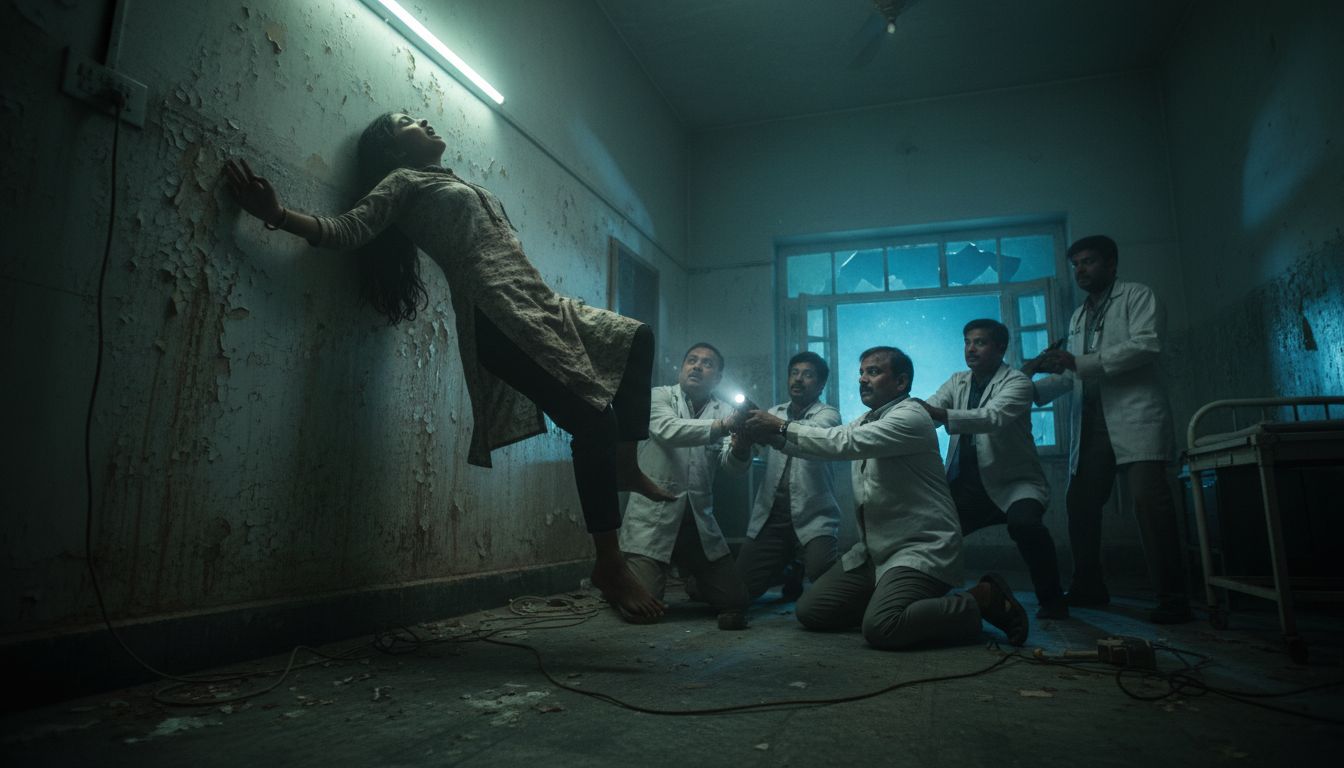
A short video posted on social‑media platforms on 24 April shows a teenage girl in a Rajasthan hospital making guttural noises, flailing her arms and seemingly “climbing” the walls of the ward. Within hours the clip was shared millions of times, accompanied by captions that claimed the patient was under paranormal possession. The clip trended under hashtags such as #HospitalPossession and #UFOs, prompting a wave of speculation from self‑identified “UFO hunters” and paranormal enthusiasts.
Medical assessment
Doctors who reviewed the footage say the girl was experiencing an acute neurological or psychiatric episode, not a supernatural event. Dr. Anjali Mehta, a neurologist at Jaipur’s Mahatma Gandhi Hospital, explained that the symptoms—sudden vocalizations, loss of motor control, and disorientation—are consistent with a tonic‑clonic seizure or a brief psychotic break triggered by extreme stress. “In many cases, undiagnosed epilepsy or a metabolic imbalance can produce dramatic, involuntary movements that look bizarre to an untrained observer,” she told the press. Hospital staff later confirmed the patient was stabilized, given antiepileptic medication, and is undergoing further evaluation for possible underlying conditions.
Expert commentary
Psychiatrist Dr. Rohan Singh added that cultural context can amplify misinterpretations. “In regions where belief in spirit possession is strong, any atypical behavior in a medical setting is quickly framed in supernatural terms,” he noted. Researchers at the Indian Institute of Health Sciences have documented similar spikes in “possession” claims after viral videos, linking them to confirmation bias and the brain’s tendency to seek patterns in ambiguous stimuli. The incident also mirrors past cases, such as the 2019 “demon‑possession” video from a Delhi clinic, which later proved to be a severe case of catatonia.
Social‑media dynamics and misinformation
The video’s rapid spread illustrates how platforms prioritize emotionally charged content. Within 12 hours, the clip amassed over 3 million views on TikTok, 2 million on Instagram Reels, and sparked dozens of YouTube reaction videos. Fact‑checking sites, including Alt News and the Indian Fact‑Check Unit, issued alerts warning that the footage was being taken out of context and labeled it “misinformation.” Yet, the algorithmic amplification of sensational tags like #UFO and #Paranormal often outpaces corrective posts, leaving many users with a distorted perception of the event.
Guidance for the public
Health officials urge viewers to avoid jumping to conclusions when encountering unsettling medical footage online. Dr. Mehta recommends that any video showing unusual behavior be reported to the hospital directly, if possible, rather than shared with speculative commentary. Media literacy campaigns, currently being rolled out by the Ministry of Health and Family Welfare, emphasize checking sources, looking for official statements, and recognizing that many neurological disorders can produce seemingly “otherworldly” manifestations.
Looking ahead
While the incident has reignited discussions about UFO and paranormal phenomena, experts stress that the priority remains accurate medical diagnosis and public education. As Dr. Singh concluded, “Understanding the science behind these episodes demystifies them and reduces the fertile ground where fear and myth can thrive.” The Rajasthan case serves as a reminder that in the age of viral content, rigorous verification and compassionate health communication are essential tools against the spread of misinformation.