Overview
As the world lights up for the holiday season, many cultures still remember that Christmas has long carried a shadowy counter‑narrative to the modern image of twinkling lights and festive cheer. A recent feature on the cultural‑history site Moon Mausoleum outlines three of the most chilling winter figures that have survived in Alpine and French folklore: Krampus, Frau Perchta, and Père Fouettard. While Saint Nicholas rewards well‑behaved children, these darker companions served as cautionary enforcers, warning that misbehaviour could invite far more than a lump of coal.
Krampus: The Alpine Enforcer
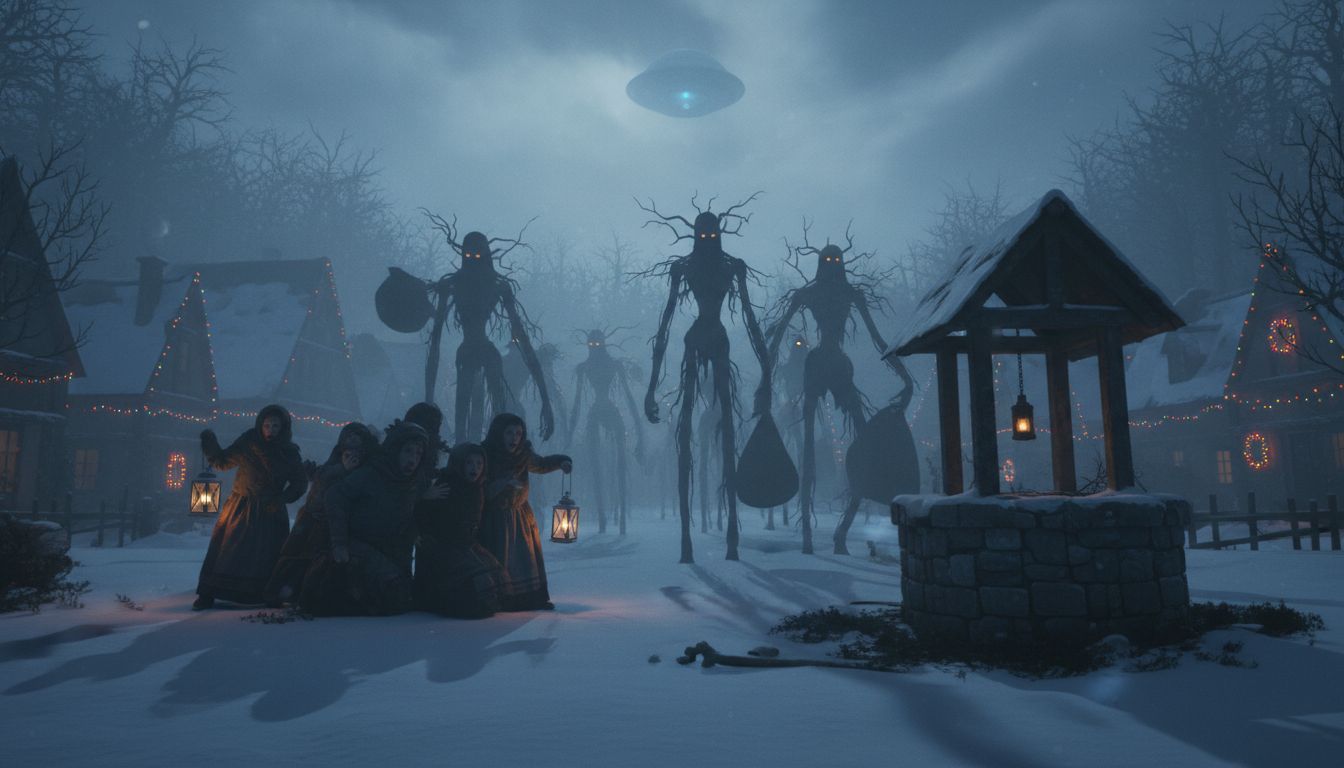
Originating in Austria, Germany, and the broader Alpine region, Krampus is described as a horned, cloven‑hoofed demon who punishes naughty children with birches, chains, and, according to legend, a sack in which he drags miscreants to the underworld. The tradition of the Krampuslauf—or “Krampus Run”—still takes place each December, when participants don grotesque masks and chase onlookers through icy streets. Folklorist Dr. Anna Müller of the University of Innsbruck explains that “the Krampus figure likely stems from pre‑Christian pagan rites that marked the winter solstice, later re‑interpreted by the Church as a moral counter‑balance to Saint Nicholas.” Contemporary festivals blend the ancient threat with modern carnival flair, attracting tourists while preserving the original cautionary tone.
Frau Perchta: The Belly‑Slitter
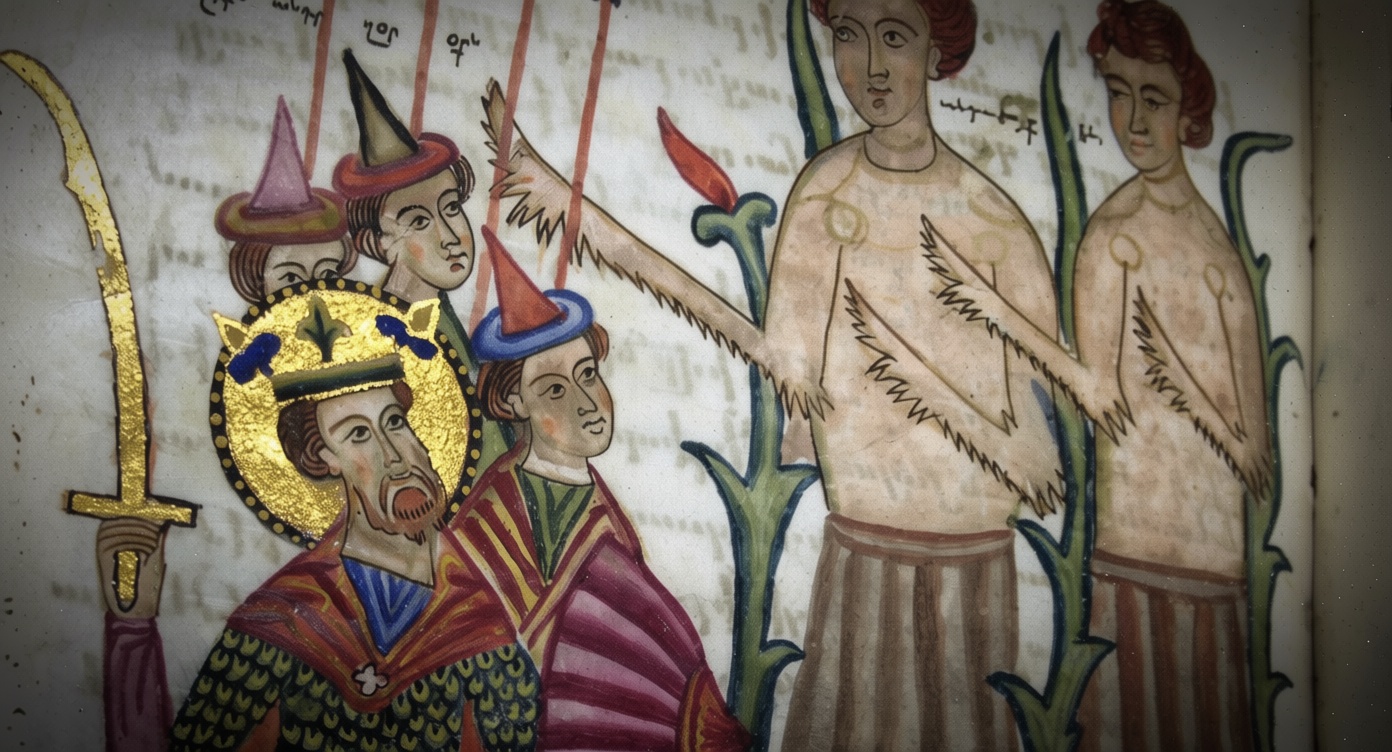
In the high valleys of Austria and Bavaria, the legend of Frau Perchta—sometimes called the “Belly‑Slitter”—has been recounted for centuries. According to the Moon Mausoleum article, Perchta roams during the Twelve Days of Christmas, especially on Twelfth Night, rewarding industrious children and meting out gruesome punishment to the idle: “She will slit open their stomach, remove their entrails, and fill the cavity with straw and stones.” While the graphic details are striking, scholars view the tale as a symbolic reinforcement of communal labor expectations during the harsh winter months. “Perchta embodies the social pressure to contribute to the household’s survival,” notes cultural historian Dr. Lukas Weber, who has studied Bavarian winter rites.
Père Fouettard: France’s Grim Companion
In the Lorraine region of France, Père Fouettard—literally “Father Whipper”—appears alongside Saint Nicholas on December 6th. The legend, recounted by Moon Mausoleum, tells of a medieval butcher who allegedly lured three children, murdered them, and salted their bodies in a barrel. Saint Nicholas resurrected the victims and condemned the butcher to become his dark assistant, forever wielding a whip to discipline disobedient children. Today, local processions feature a stern‑looking figure in tattered clothing brandishing a bundle of sticks, contrasting sharply with the saint’s brightly dressed entourage. Historian Marie‑Claire Dubois observes that “the Père Fouettard story reflects historic anxieties about the rural butcher’s role, a figure who could both provide sustenance and pose a lethal threat.”
Cultural Context and Modern Perception
These legends illustrate how winter festivals have long served as moral checkpoints, using fear to enforce social norms during a period when resources were scarce and community cohesion vital. While the original narratives are undeniably grim, contemporary celebrations often reinterpret them through a playful, theatrical lens. Krampus runs now draw thousands of tourists, and costume workshops teach children how to craft safe, stylized masks. In Bavaria, folk groups stage “Perchta‑processions” that emphasize the figure’s dual role as a guardian of order rather than a literal executioner. French towns continue to feature Père Fouettard in parades, but the emphasis is on the historical story rather than actual corporal punishment.
Looking Ahead
As the holiday season progresses, the resurgence of these dark traditions offers a reminder that cultural memory is layered, blending joy with cautionary tales. Researchers anticipate that continued interest in “dark Christmas” folklore will spur further academic study, particularly into how such legends adapt to contemporary values of inclusivity and safety. For now, the eerie figures of Krampus, Frau Perchta, and Père Fouettard remain living artifacts of a winter past, reminding us that the season’s narrative is as diverse as the cultures that celebrate it.