Overview
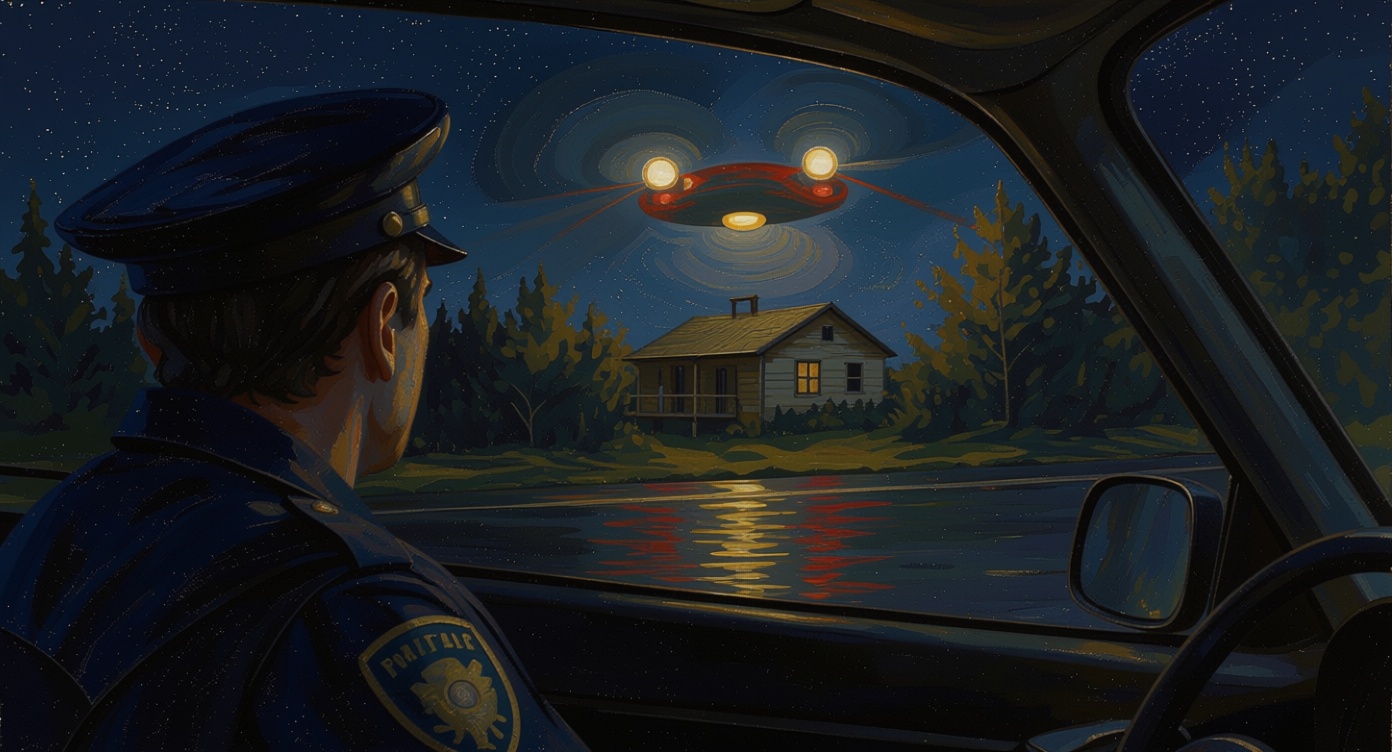
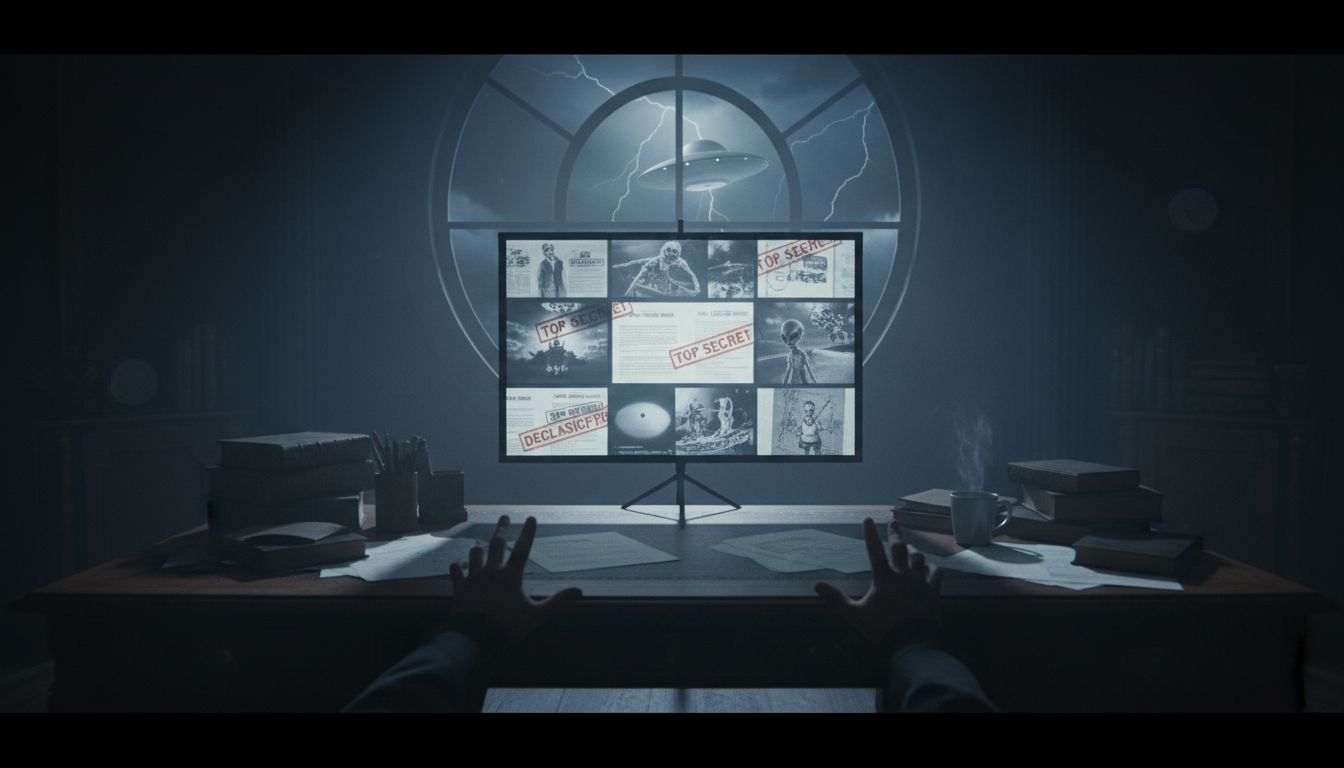
A recent YouTube video titled "Declassified: Proof of Extraterrestrial Contact in Official U.S. Files" has reignited public debate over the existence of extraterrestrial life, asserting that declassified U.S. government documents provide compelling evidence of contact with non-human intelligences. The video, which is being widely shared within disclosure communities, examines government records, whistleblower testimonies, and historic UFO encounters, urging viewers to engage directly with the primary sources rather than relying solely on mainstream media interpretations.
Government Documentation and Official Acknowledgement
The video argues that thousands of pages of government-generated documents are now publicly accessible, many of which were released following lawsuits, Freedom of Information Act (FOIA) requests, or through internal leaks. These documents reportedly originate from a wide range of U.S. agencies, including the Navy, Department of Defense, CIA, NSA, FBI, Congress, and NASA. According to the video, “These aren’t fringe sources… They come from the US Navy, the Department of Defense, the CIA, the NSA, the FBI, Congress, NASA Archives, and sworn testimony from military and intelligence officials.”
Among the most well-known official releases are the three Pentagon-authenticated infrared videos—known as Gimbal, Go Fast, and FLIR1 (or Tic Tac)—which depict unidentified aerial vehicles performing maneuvers that defy explanation by conventional technology. The video notes that these objects “have no wings, no exhaust, no heat signature, rotating midair, accelerating instantly, and outperforming every known aircraft on Earth.” Testimony from military pilots and radar operators has been presented to Congress, further corroborating these encounters.
Whistleblower Testimonies and Internal Reports
The video highlights the role of whistleblowers in advancing public understanding of UAP (Unidentified Aerial Phenomena). One prominent example is David Grusch, an intelligence officer whose inspector general-verified complaint alleged the existence of multiple crash retrieval programs involving “nonhuman craft and materials.” Congressional hearings confirmed Grusch’s credibility, and his allegations were deemed “urgent and credible” by the inspector general.
Another significant reference is to the Wilson Davis documents, which describe a high-ranking Navy admiral’s failed attempt to access a reverse engineering program run by private aerospace contractors. These documents, according to the video, reference “craft of unknown origin stored in private facilities beyond congressional oversight.”
Broader Historical Context and Media Critique
The video asserts that mainstream media has traditionally dismissed or ridiculed claims of extraterrestrial contact, contributing to a culture of skepticism and ignorance. It suggests that information has been deliberately controlled and that individuals are conditioned “not to look.” The presenter encourages viewers to develop discernment by directly consulting declassified files, comparing sources, and listening to a range of testimonies, while remaining aware of potential misinformation.
The historic Project Blue Book is cited as a prime example of official investigation, with over 12,000 documented UFO cases—hundreds of which remain unexplained. NASA, the NSA, and other agencies have also released records describing objects entering and leaving Earth’s atmosphere in ways inconsistent with known natural or man-made phenomena.
The Path Forward and Ongoing Debate
While the video is critical of media gatekeeping and government secrecy, it acknowledges the complexity of the issue and the need for public discernment. It references well-known disclosure advocates such as Dan Willis, Alex Collier, and Elena Denan, whose testimonies, the video claims, align with details in official documents and challenge sanitized disclosure narratives.
As the debate over UAPs and extraterrestrial contact continues, the video calls for greater transparency, personal engagement with primary sources, and a willingness to question established narratives. Whether or not the released documents constitute definitive “proof” remains a matter of public and scholarly debate, but the growing availability of official records and whistleblower accounts suggests that the conversation around extraterrestrial contact is far from over.